




Dock Leveler Selection Guide: Flip Plate vs Telescoping Lip for Busy Warehouses
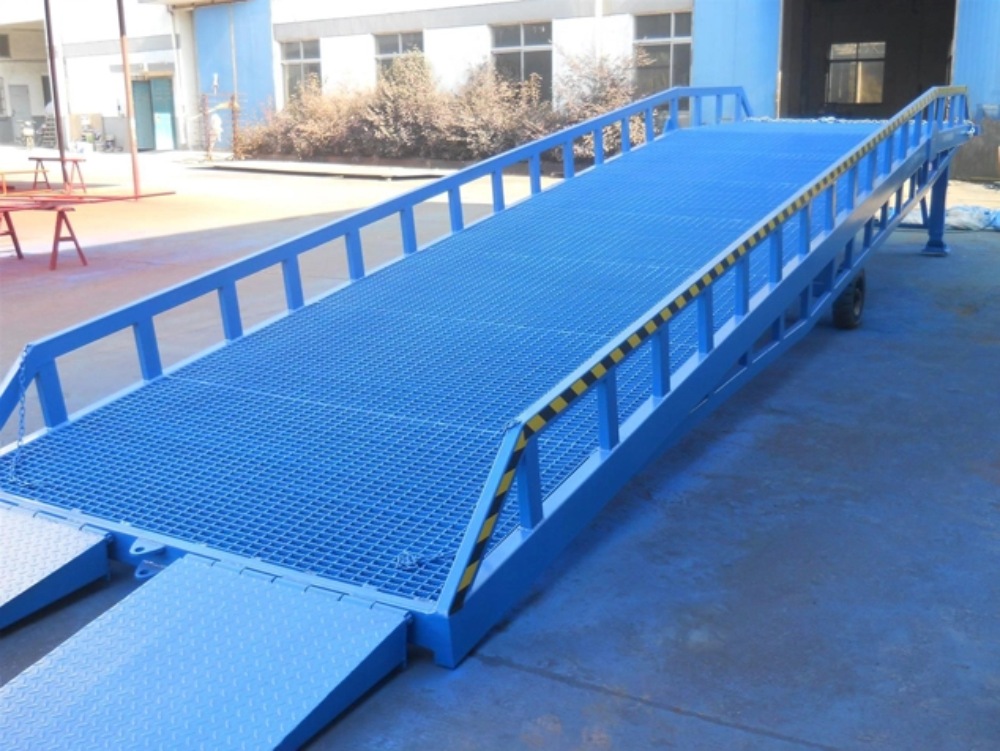
For buyers comparing loading-bay suppliers, GUDESEN offers industrial door and dock equipment for facilities that need safer, faster truck handling. For a busy warehouse, the dock leveler should be selected before the opening is treated as a simple civil-work detail. It decides how smoothly a trailer meets the floor, how much manual adjustment your team accepts, and whether the loading bay can keep pace with dispatch schedules.
The right dock leveler is not always the largest model in the catalog. Buyers need to compare trailer height variation, forklift weight, dock pit size, yard conditions, and how often the bay is used. A standard loading dock ramp may work well for predictable trucks, while a more precise unloading platform may be needed when trailers stop at different angles or when pallet loads leave little room for error.
What Should Buyers Decide Before Choosing a Dock Leveler?
Selection should start with the site, and the unloading platform should be checked against the real trucks, not only the sales page. A dock that handles the same local fleet every morning has a very different job from a distribution center receiving rented trailers, containers, and third-party trucks.
Truck Height Variation Comes First
A dock leveler bridges a height gap. That sounds simple, but the gap changes when the truck suspension drops under load, when a yard is not perfectly level, or when the trailer is parked slightly away from the dock face. If the gap is small and repeatable, the buyer may not need a long extension. If the gap changes often, the lip design matters more than the platform color or the initial procurement budget.
Traffic Frequency Changes The Buying Logic
A bay used twice a day can tolerate slower positioning. A bay used by forklifts, pallet trucks, and shift teams all day cannot. High traffic turns small friction into queue time. This is where the dock leveler becomes a production asset, because smoother alignment reduces waiting time, protects goods from rough transitions, and keeps operators from improvising with unsafe plates or loose ramps.
When Is A Flip Plate Dock Leveler The Better Choice?
For stable routes and familiar truck heights, a flip plate dock leveler is usually the practical choice. The flip plate design gives the operator a direct bridge from the dock to the truck bed. It suits loading bays where truck positioning is controlled, pit dimensions are already clear, and the buyer values a simpler structure for daily use.

Stable Fleets Make The Flip Plate Option Easier To Manage
A flip plate dock leveler is a good fit when trucks arrive at predictable heights and the dock crew can position vehicles close to the bay. In that setting, the lip does not need to reach far into the trailer. The buyer still has to confirm platform size, lifting capacity, hydraulic power, and pit layout, but the purchasing decision is mainly about reliability and fit rather than complex reach adjustment.
Simple Operation Helps Multi-Shift Teams
Warehouses with rotating operators often prefer equipment that is easy to explain and easy to repeat. A flip plate dock leveler keeps the movement familiar. For purchasing teams, that means fewer training questions and cleaner handover between shifts. Before approval, confirm whether the supplier can provide drawings, installation notes, and model-specific quotation details for the actual loading dock ramp.
When Does A Telescoping Lip Dock Leveler Make More Sense?
When truck positioning is less predictable, the stronger option may be a telescoping lip dock leveler with more controlled reach. Its lip can extend with better control, helping the operator place the bridge onto the trailer floor more accurately. For a warehouse handling different trailers, containers, or yard conditions, that extra control can be worth more than the difference in initial investment.

Precise Lip Extension Supports Tighter Loading Conditions
A telescoping lip dock leveler gives the operator more room to manage the contact point between platform and trailer. This matters when pallet loads are heavy, the trailer bed is short, or the truck cannot always park at the same distance. Instead of asking workers to compensate manually, the equipment gives them a more controlled bridge. That is a cleaner answer for busy warehouses with mixed transport partners.
Variable Yards Need More Than A Basic Bridge
Some yards look organized on a drawing and behave differently in daily work. Slopes, drainage angles, damaged bumpers, and rushed truck positioning all affect the loading bay. A telescoping lip dock leveler can help when the unloading platform must serve several vehicle profiles. Buyers should check the maximum expected height difference and ask whether the chosen model has enough lip reach for the worst normal condition, not just the neatest one.
How Should Buyers Compare Both Options Before Ordering?
A useful comparison does not start with a basic catalog quotation. It starts with a short list of operating facts: truck type, pallet weight, forklift axle load, dock pit dimensions, outdoor exposure, daily cycles, and the required safety accessories. Once those points are clear, the buyer can compare a flip plate dock leveler and a telescoping lip dock leveler without turning the decision into guesswork.
The Checklist Should Match The Real Loading Bay
Ask the supplier to respond by model, not only by catalog category. A buyer should know the platform size, hydraulic drive arrangement, lift capacity, installation conditions, and lead-time expectation before internal approval. If several warehouses will use the same equipment, collect site measurements separately. One dock leveler model may not fit every bay, even when the doors look similar from outside.
The Quotation Should Include More Than Hardware
Once truck data, dock measurements, and traffic frequency are ready, buyers can use Contact Us to request model-specific quotations, packing details, installation notes, and any required spare-part or after-sales information instead of only asking for a general catalog.
Conclusion
A busy warehouse should choose a dock leveler by operating pattern, not by the most familiar product name. A flip plate dock leveler is usually the cleaner option for stable fleets and standard bays. A telescoping lip dock leveler is stronger when trailer positions, bed heights, or yard conditions vary. The best choice is the one that reduces daily adjustment, gives operators a controlled loading dock ramp, and matches the real unloading platform before the purchase order is signed.
FAQs
Q1: Is a flip plate dock leveler enough for most warehouses?
A1: It can be enough when truck heights are predictable and vehicles park close to the dock face. Buyers still need to confirm platform size, load requirements, and pit conditions before choosing the model.
Q2: When should buyers consider a telescoping lip dock leveler?
A2: It is worth considering when trailers vary in height or cannot always stop at the same distance from the dock. The controlled lip extension gives operators more room to place the bridge safely.
Q3: What information should be ready before asking for a quote?
A3: Prepare truck types, common bed heights, dock pit dimensions, daily loading frequency, pallet or forklift load data, and any site limits. This helps the supplier recommend the right dock leveler instead of giving a generic option.