




High-Speed Door Spare Parts Checklist for Warehouse Maintenance Teams

For industrial facilities that rely on frequent door cycles, GUDESEN supports industrial door systems and high-speed doors used in daily warehouse traffic. A high-speed door order should not stop at the curtain, frame, and motor. Warehouse teams also need a spare parts plan, because one small sensor, bottom edge, or guide component can hold up a busy opening during a peak shift.
The aim is not to stock every component on the shelf. The better approach is to separate common wear parts from project-specific parts, then confirm which items the supplier can ship quickly. For an industrial door used by forklifts, pallet trucks, and shift teams, this planning step belongs in the buying process, not after the first service call.
Why Should a High-Speed Door Order Include Spare Parts?
Projects built around a high-speed door are often approved because the facility wants faster traffic flow, better separation between zones, and less heat, dust, or insect movement. Those gains depend on uptime. If a door stops because a small component was not matched or stocked, the production team still has a blocked opening, even if the original product was well made.
Small Wear Parts Decide Daily Uptime
High-speed doors move more often than a conventional roll up door. The curtain, guide rail, bottom edge, sensor set, control box, and switch devices all work together. A maintenance team should know which parts are common across models and which parts are tied to a specific door size or control system. That is the difference between a quick replacement and an awkward search during a busy week.
Spare Planning Belongs in the Purchase Stage
Many warehouses discuss spare parts only after the installation is complete. That makes the first breakdown harder than it needs to be. During procurement, the buyer can ask for a recommended spare list, part codes, delivery options, and replacement guidance. This helps maintenance teams build a high-speed door file before the equipment is under pressure.
Which Parts Should Warehouse Teams Review First?
A practical checklist starts with the components that face movement, contact, and site dirt every day. Different high-speed doors have different structures, but the buying team can still ask a consistent set of questions. Which parts wear fastest? Which parts must match the exact model? Which parts can be replaced by trained maintenance staff? Which parts require supplier service?
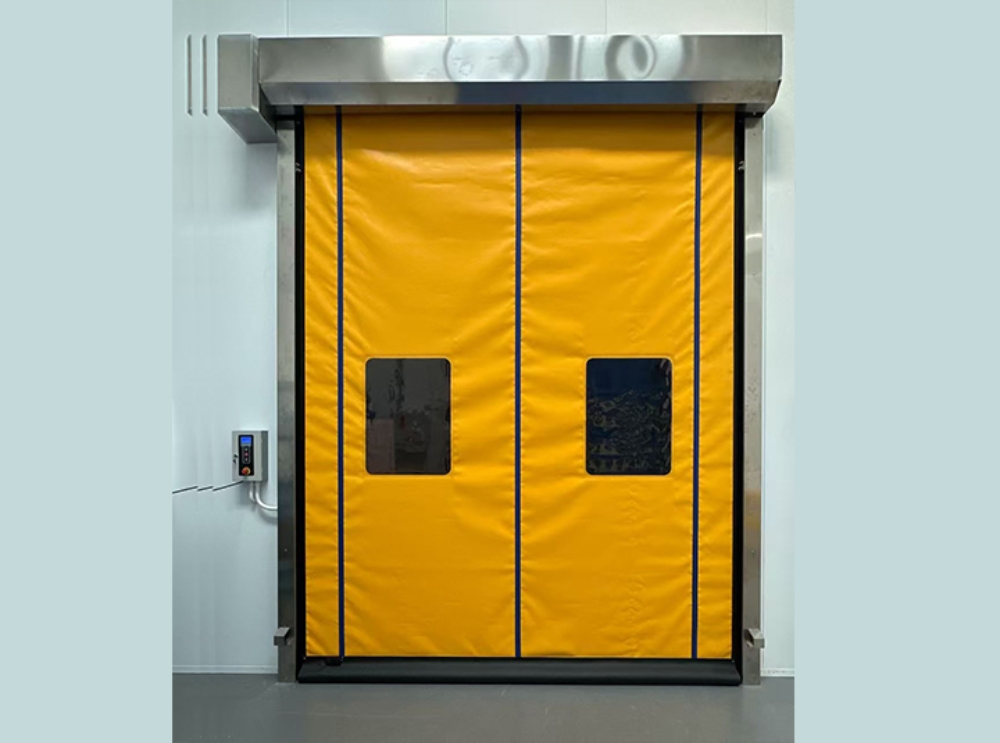
Curtain and Guide Components Need Exact Matching
For a PVC high-speed door, the curtain is not just a sheet of material. It must match the opening size, guide system, wind condition, and bottom edge. For a self-recovery model, zipper edges and guide blocks also need attention. A wrong replacement may fit visually but still move poorly inside the track. Buyers should request a spare list that names the curtain, guide rail, zipper or edge components, and any model-specific fasteners.
Sensors and Controls Need Clear Compatibility Notes
Radar sensors, geomagnetic loops, manual pull ropes, push buttons, remote controls, safety photoelectric devices, and control boxes are common in high traffic openings. The maintenance file should state which devices are installed, how they connect to the control system, and which replacements are compatible. This is especially important when several high-speed doors are installed across the same warehouse but not all openings use the same trigger method.
How Should Buyers Match Spare Parts to Door Type?
A site using a PVC high-speed door usually focuses on traffic frequency, dust control, and quick opening. A self-recovery rapid door adds another service question: how the curtain returns to the side channel after impact. A standard industrial door checklist cannot treat those two structures as identical. The spare plan needs to follow the door type.
PVC High-Speed Door Projects Need Traffic-Based Spares
A PVC high-speed door used near packing, logistics, or light manufacturing areas may cycle many times each hour. The buyer should focus on parts that face repeated movement: curtain material, bottom edge parts, safety devices, opening switches, and control components. If a roll up door is being replaced by a faster model, the maintenance team should also update its inspection routine instead of using the old monthly checklist unchanged.
Self-Recovery Rapid Door Projects Need Zipper and Guide Checks
For openings where forklift contact is possible, a self-recovery rapid door helps the curtain and side-channel system work together after impact. The spare parts checklist should include zipper-related components, guide blocks, bottom edge parts, and sensor devices. Before approval, buyers should ask how these parts are identified and whether replacements can be packed with the door shipment.
What Should a Maintenance Buyer Ask the Supplier?
A good question is specific enough for the supplier to answer with model-level detail. Instead of asking whether spare parts are available, ask which parts are recommended for the first year, which are shared across high-speed doors, and which must be ordered by serial number or drawing. That saves time later because the team does not have to rebuild the product record after installation.

Documentation Should Follow The Installed Door
The maintenance file should follow the installed door model, including model name, motor and control details, opening method, safety device list, curtain material notes, and a simple service record. If the warehouse runs more than one industrial door type, label each opening clearly so replacement parts do not get mixed between zones.
Quotations Should Separate Standard and Optional Parts
A spare package may include standard items for regular maintenance and optional items for higher-traffic sites. Buyers should ask the supplier to separate those two groups. This makes internal approval easier: operations can approve the must-have list, while finance can decide whether the optional list makes sense for sites with heavier traffic, longer working hours, or limited local service support.
How Can Spare Parts Planning Reduce Downtime After Installation?
The best checklist is short enough for warehouse teams to use. It should identify the door model, opening size, installed controls, safety devices, curtain type, guide system, and the supplier contact route. It should also say who may replace common parts and when supplier support is needed. This turns maintenance from a memory-based habit into a repeatable process.
A Simple Stock List Beats Emergency Guesswork
For most sites, the first stock list should cover likely wear items and model-specific small parts. A team running several high-speed doors can then compare which parts are shared. A team running one critical high-speed door opening may prefer fewer parts on hand but a clearer supplier response route. The right balance depends on traffic, local service access, and how costly a stopped doorway becomes for the warehouse.
Contact Details Should Be Ready Before the First Service Need
Once the buyer has the door type, opening size, control method, and expected traffic level ready, Contact Us can be used to quote the door and the matching spare parts plan together. That is cleaner than adding parts after the project has already moved into installation.
Conclusion
A high-speed door project is stronger when the spare parts plan is written before the purchase order. Buyers do not need to fill shelves with every possible part. They need to identify the parts that protect daily uptime: curtain and guide components, safety sensors, control devices, bottom edge parts, and door-type-specific items. For warehouses replacing a slow roll up door or adding a new PVC high-speed door, that early checklist can save hours when the opening is already in service.
FAQs
Q1: How many spare parts should a warehouse keep for high-speed doors?
A1: Start with common wear parts and model-specific items that could stop daily operation. The exact list depends on traffic frequency, door type, opening size, and how quickly supplier support can reach the site.
Q2: Are spare parts for a PVC high-speed door the same as a self-recovery rapid door?
A2: No. Some controls or sensors may be similar, but curtain edges, guide parts, zipper systems, and reset-related components can differ. Buyers should request a separate list for each installed model.
Q3: Should spare parts be discussed before or after installation?
A3: Discuss them before installation. That gives the supplier time to match part codes, drawings, and packing details to the exact project, and it gives the maintenance team a useful service file from day one.