




Why Aluminum Alloy Sliding Door Profiles Matter More Than You Think
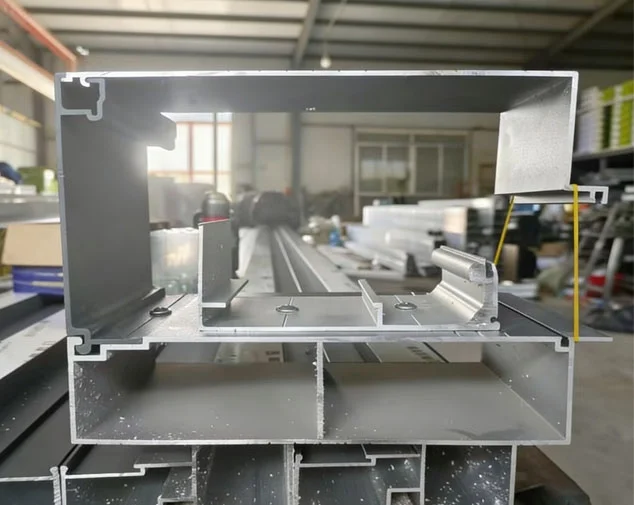
Stand at the entrance after a few months of real use and the frame tells you more than the first product photo ever did. Glass gets wiped every day, the sensor gets blamed when the door hesitates, and the color is what people mention in meetings. The aluminum sliding door profile is quieter, but it is often where small problems start: a rubbing edge, an uneven shadow line, a panel that needs another nudge from the installer. If the profile was chosen only because it looked neat on the drawing, the entrance can begin to feel tired while the motor is still fine.
When I look at a glass sliding door for a shopfront or lobby, I usually check the frame line before the operator brand. Are the corners sitting square? Is there a clean gap at the closing edge? Does the panel still move the same way after cleaning staff and carts have passed through it for a season? Those small checks say more about long-term fit than a glossy front view. A door can have a decent operator and still feel loose if the frame is fighting the track. A better profile does not make noise about itself. It simply lets the entrance move, close, and age in a more controlled way.
The quiet part that causes loud problems later
The sliding door profile is easy to treat as a trim piece because it sits around the panel rather than in the control box. In reality, it carries the geometry of the opening. When the frame stays true, the rollers have less work to do, the seals meet more evenly, and the closing edge looks intentional instead of slightly tired.
Small problems show up slowly. The panel may begin to touch one side first. The closing sound may become sharper. Staff may notice that the door needs another adjustment even though nothing obvious has broken. In a shopfront, clinic, lobby, or interior corridor, those small clues matter because visitors read them as quality. A door that moves cleanly makes the space feel managed. A door that hesitates makes people look twice.
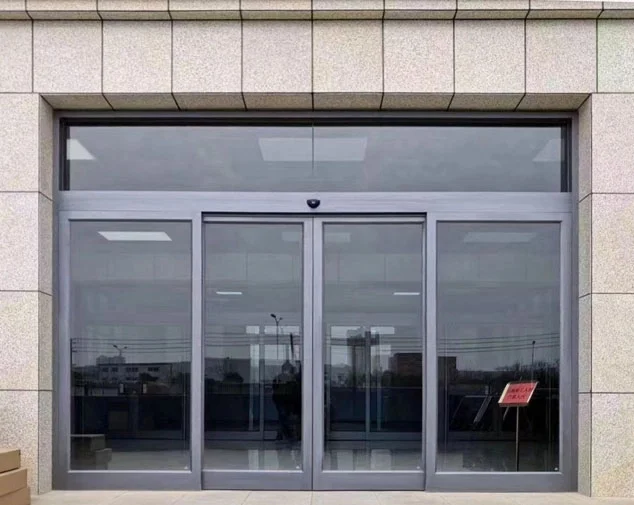
This is also why frame choice belongs early in the project. If the supplier only sees a rough width and a preferred color, the frame becomes a guess. A good drawing, site photo, panel thickness, and expected traffic level turn that guess into a recommendation. A sliding door system behaves better when the frame decision is made before the site team starts adapting parts around a weak opening. When the sliding door system is specified as a complete package, the installer has fewer surprises during final alignment.
What aluminum changes in daily movement
Aluminum is useful here for a practical reason, not because it sounds premium in a brochure. It can keep weight down without letting the frame feel flimsy, which is exactly the balance an automatic sliding glass door needs near a public entrance. The operator can be tuned well, but it cannot hide a frame that twists slightly, a rail that sits out of line, or a panel that drifts after a busy week.
A well-made aluminum sliding door profile also gives the factory more room to solve details before the product reaches site. Corner joints, cover lines, brush or rubber contact points, and finish thickness all have to leave enough tolerance for installation. That becomes visible beside clear glass, stainless trim, tile, painted walls, or a narrow storefront opening. The profile should feel strong in the hand, but it should not make the entrance look overbuilt.
This is why an automatic sliding glass door should be reviewed as a door set, not as a motor added to a pretty frame. In smoother projects, the drawing shows how the frame, track, panel, and sensor will sit together before production starts. That one early check often saves the installer from trimming, shimming, or explaining why the finished opening does not look like the sample photo.
Material choice also shows up in plain maintenance. Some sites wipe the entrance every day. Some sit close to outdoor dust, humid air, or air-conditioning drafts. In those places, a stable surface and a frame shape that resists small movement are worth more than a dramatic spec sheet. Buyers usually notice the benefit later, when the door still closes cleanly and nobody is chasing the same adjustment every month.
Where profile quality matters most
The profile matters most where people can see the opening and where service access is awkward. A hotel corridor, clinic entrance, apartment lobby, showroom partition, or retail doorway does not forgive a frame that slowly goes out of line. The door becomes part of the room’s first impression, and a small lean or uneven reveal can make the whole entrance look cheaper than the rest of the fit-out.
For a busy automatic sliding door, the frame has to stay aligned through ordinary abuse: carts brushing past, people leaning on the edge, cleaning teams wiping the surface, and temperature changes around the entrance. None of those moments feels dramatic by itself. Together, they test whether the system was matched properly.
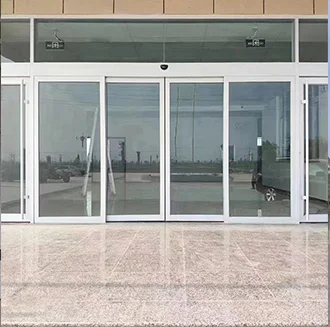
On a glass sliding door, the frame has another job: it keeps the visual line calm. Clear glass makes misalignment easier to see. A narrow but stable frame lets the door look light without making it fragile. That is the difference between a door that photographs well on day one and a door that still feels deliberate after daily use.
What to check before asking for a quote
A good quote does not start with only width and height. It starts with the conditions that make the frame succeed or fail. Buyers do not need to write a long technical brief, but they should send enough detail to let the supplier understand the real opening.
|
Check point |
Why it matters |
What to send |
|
Clear opening |
The frame must match the real site, not only a drawing. |
Width, height, side clearance, and threshold condition. |
|
Panel weight |
Glass thickness changes the load on the frame and rollers. |
Glass or panel thickness, approximate weight, and panel count. |
|
Finish environment |
Cleaning, humidity, and outdoor exposure affect surface choice. |
Indoor or outdoor use, coastal air, washdown needs, and finish color. |
|
Hardware match |
Frame, track, roller, seal, and operator must work as one system. |
Manual or automatic use, traffic level, and any sensor requirement. |
Opening size and panel weight
The same frame does not behave the same way on every opening. A small interior panel and a wide glass entrance place different stress on the system. If the opening is wide, tall, or exposed to side pressure, the supplier needs to know that before choosing the frame.
Finish and cleaning conditions
A finish that looks good in a photo can still be wrong for a site that is cleaned every day or exposed to humid air. For commercial projects, surface durability is part of the long-term value. It affects how often the entrance needs attention and how quickly it starts to look worn.
Track, operator, and seal match
Frame quality alone will not save a mismatched system. Rollers, track, seals, corners, and operator settings need to fit the frame. This is where a specific automatic sliding door package usually performs better than a collection of unrelated parts.
Conclusion
A good sliding entrance should not make people think about the frame. It should simply move cleanly, close neatly, and keep its visual line without constant adjustment. The frame is what lets that happen. If you are comparing drawings or planning a replacement, use the real opening conditions to choose the profile, not only the finish color. For a site-specific check, request a quote with photos, dimensions, panel details, and the expected use pattern.
FAQ
Q1: Does the frame really affect how quiet the door feels?
A1: Yes. A rigid, well-matched frame helps the panel stay aligned, which reduces rubbing, vibration, and the repeated adjustments that often make a door feel noisy.
Q2: Is aluminum strong enough for commercial entrances?
A2: Usually yes, when the frame shape, panel weight, and hardware are matched correctly. The point is not only the material name; it is the whole structure around the opening.
Q3: What information should I send before ordering?
A3: Send the opening width and height, panel thickness, site photos, indoor or outdoor conditions, and whether the door needs manual or automatic operation.