




When Portable Crowd Control Barriers Beat Fixed Fences at Events
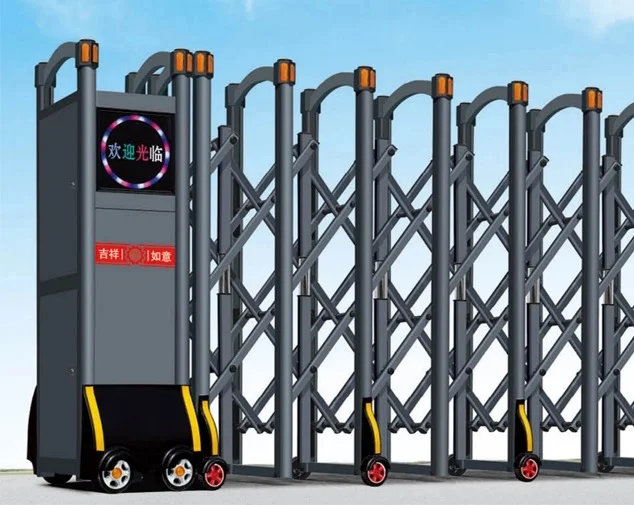
Fixed fences look tidy on a drawing, but events rarely behave like drawings. Lines grow in the wrong direction, a side entrance suddenly becomes useful, staff need to open a lane for equipment, and a school or venue may need the same space back the next morning. In that kind of day, a crowd control barrier can do a better job than a fixed fence because it moves with the problem.
The question is not whether fences are useful. They are. The question is whether the boundary is permanent enough to deserve a permanent answer. For temporary crowd guidance, a portable barrier often gives staff more control with less disruption. It lets the site breathe when visitor flow changes, which is usually what event teams need most.
Fixed fences fail when the route keeps moving
A fixed fence works best when the line never moves. It can mark a perimeter, separate a restricted area, or create a long-term access route. The trouble starts when people arrive in waves. A neat lane at opening time can become too narrow after a bus unloads, too wide after the first rush, or simply pointed in the wrong direction once visitors find a faster path.
That is where a retractable barrier becomes practical. Staff can shorten a lane, turn a corner, close a shortcut, or open an emergency path without pulling tools from storage. The product is not trying to replace a permanent perimeter. It is solving the messier job of guiding people through a temporary layout.
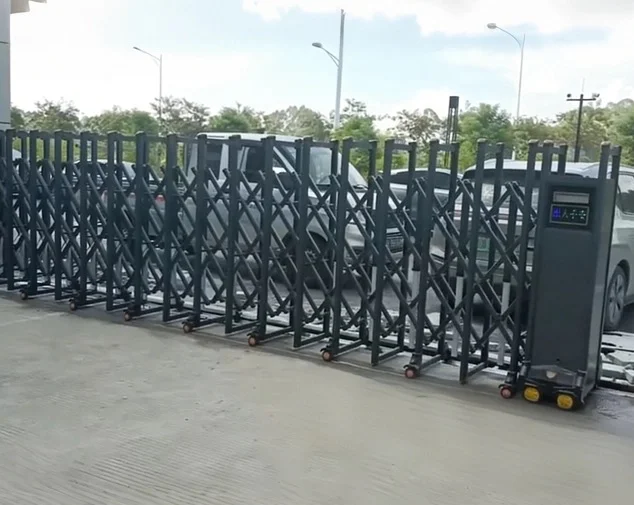
For organizers, that flexibility matters because the public sees the lane before they hear instructions. If the barrier tells people where to go, staff spend less time repeating themselves. If the route looks improvised, people hesitate, cluster, and create the very congestion the barrier was meant to prevent. A crowd control barrier should make the intended route obvious without making the site feel closed off.
Where movable barriers earn their keep
A temporary setup earns its keep in the places that change shape: ticketing lanes, registration tables, school pick-up windows, temporary retail queues, venue entrances, equipment paths, museum overflow, and community closures. These are not always high-security sites. Many of them simply need order for a few hours.
A good event barrier makes that order visible. It should be easy enough for staff to move, stable enough that visitors respect the line, and neat enough that the area still looks managed. A heavy permanent fence may look stronger, but strength is not the only measure. If two staff members cannot reset the layout quickly, the system is too slow for the job.
For schools and public entrances, the same logic applies. A safety barrier can separate pick-up flow, protect a temporary crossing point, or close a vehicle path while still leaving the site clean after the rush. The value is not only crowd control. It is the ability to restore the space after the crowd leaves.
What actually changes compared with a fixed fence
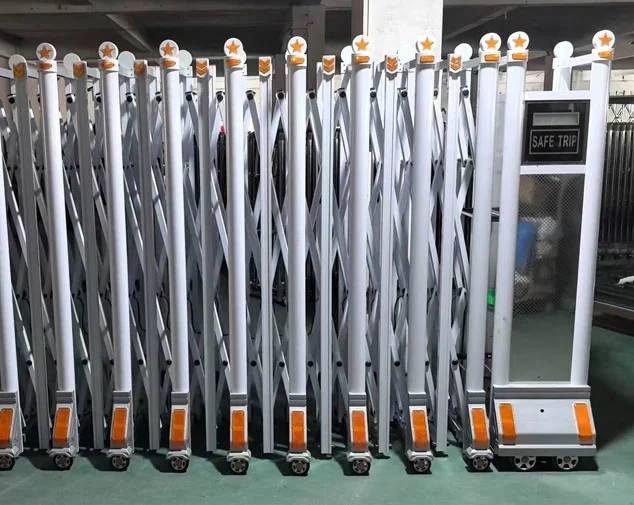
The choice becomes clearer when you compare the rhythm of the site rather than the products in isolation. A fence is good at staying put. A movable system is good at changing cleanly. If your layout changes every week, every day, or several times during one event, the second strength becomes more valuable.
|
Situation |
Fixed fence |
Movable setup |
|
Temporary queue |
Useful only if the route stays the same. |
Can be reset as the line grows or shrinks. |
|
Public event |
May block useful side access once installed. |
Can open a lane for staff, equipment, or emergencies. |
|
School entrance |
Can look too permanent for short rush periods. |
Can guide people during pickup and be stored after. |
|
Permanent perimeter |
Usually the better long-term answer. |
More flexible than the job requires. |
This is also where buying only by length can mislead a project. The better question is who will move the system, how often it will be moved, where it will wait between uses, and what happens if the first layout is wrong. If the answer is still changing, a portable barrier gives the team room to adjust before the crowd does it for them.
What buyers should check before ordering
Mobility and storage
Ask how the barrier moves, folds, locks, and stores. A unit that looks strong but takes too much effort to reset will frustrate staff by the second use. Storage also matters. If the system has nowhere sensible to go after the event, it becomes clutter rather than equipment.
Stability and locking
Temporary does not mean flimsy. The base, lock, and connection points should keep the line straight under normal crowd pressure. A retractable barrier should feel controlled when extended and predictable when staff move it.
Visibility and finish
Visitors should understand the route without studying it. The color, height, and finish should make the boundary visible without making the venue look like a work zone. That balance is especially important when a safety barrier is used near schools, public buildings, or branded event entrances.
For longer runs, the wheeled retractable traffic barrier option is worth comparing because staff can reposition it more easily than a fixed layout. The right setup should feel like part of the operating plan, not like an obstacle staff have to babysit.
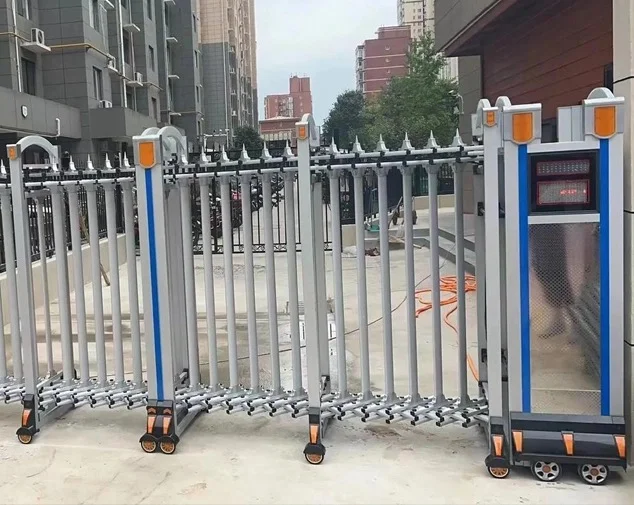
Before ordering, ask for a simple lane sketch rather than only a product photo. Mark the entry point, the expected queue direction, the exit, any emergency gap, and where the equipment will be stored after use. That sketch often reveals whether the site needs one continuous run, several short sections, or a unit that can open and close around staff movement.
It also helps to name the people who will handle the equipment. A setup used by trained security staff can be heavier than one moved by teachers, volunteers, or retail employees between shifts. That small operational detail can decide whether the product is used correctly or quietly avoided after the first busy day.
Conclusion
A fixed fence is the right answer for a fixed boundary. It is not always the right answer for a moving crowd. When a site changes through the day, an event barrier or safety barrier can give staff a cleaner way to guide people without locking the layout into one shape. A crowd control barrier also keeps the decision practical: guide the crowd, protect the lane, then return the space to normal. If you need help matching barrier length, movement, and storage to a real site, request a quote with the event type, lane width, crowd level, and how often the layout will change.
FAQ
Q1: Is this type of barrier safe enough for a busy event?
A1: Yes, when the base, lock, and material are matched to the crowd level. It should guide movement clearly, not pretend to be a permanent wall.
Q2: When is a fixed fence still better?
A2: A fixed fence is better when the boundary never changes and the site needs a long-term perimeter. It is simpler for permanent separation.
Q3: What should I send before asking for a recommendation?
A3: Send the lane width, event type, indoor or outdoor use, crowd level, how often the layout changes, and how much storage space is available.