




Commercial Entrance Planning with Automatic Sliding Glass Doors
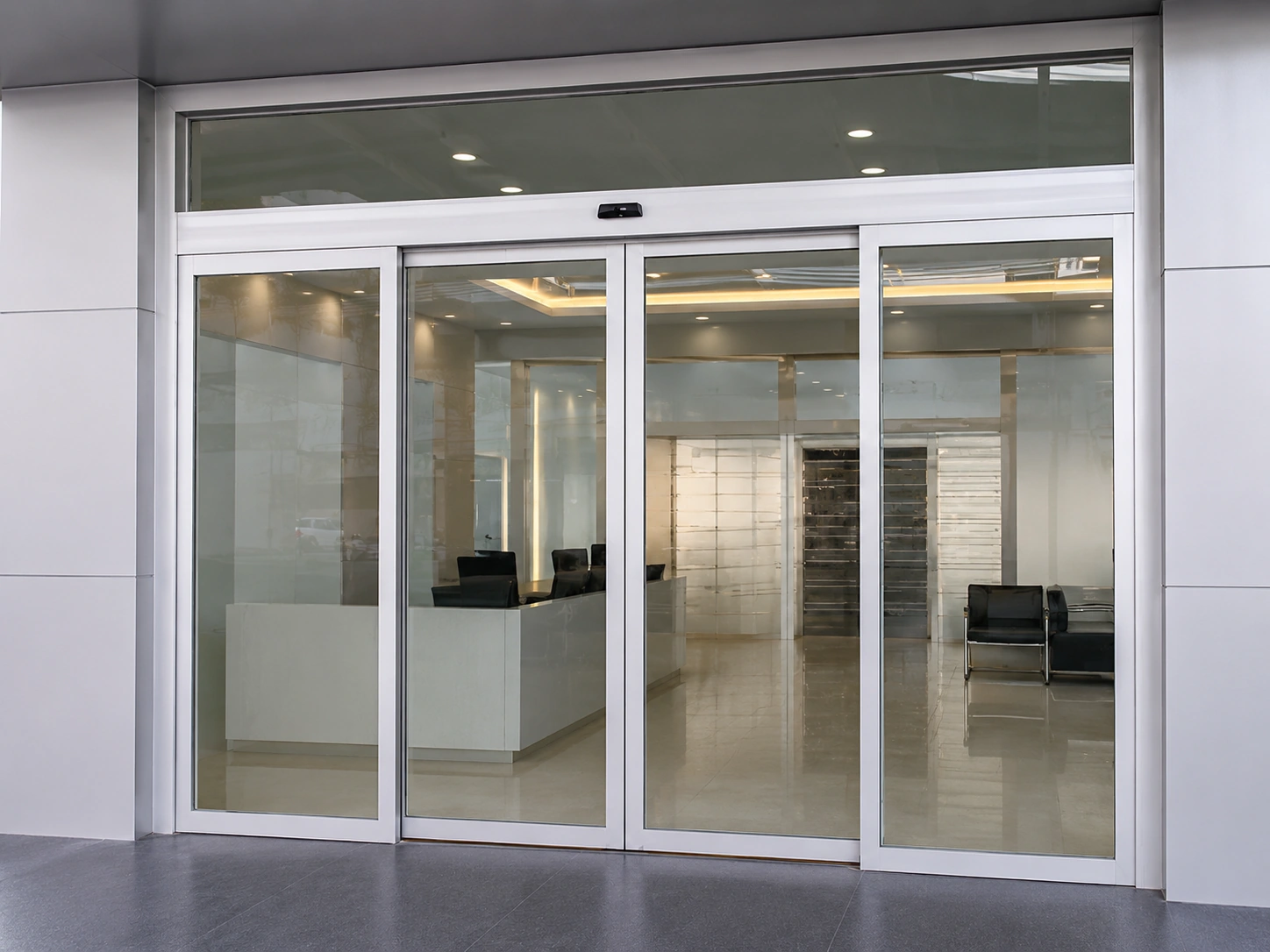
A commercial entrance has to feel open, move people smoothly, and still protect the indoor environment. For a store, office building, hotel, or commercial lobby, automatic sliding glass doors are often chosen because they save swing space and allow hands-free entry. The door also becomes part of the first impression.
The real specification work is not only about choosing glass panels. Buyers need to confirm doorway size, frame design, sensor logic, motor capacity, safety protection, and traffic rhythm. GUDESEN’s Automatic Sliding Glass Door range includes aluminum alloy glass sliding door options and automatic sensor tempered glass sliding doors for stores, which gives buyers a practical starting point for commercial entrance planning.
Why Do Commercial Entrances Need a Clear Door Plan?
A commercial entrance may open hundreds of times in one day. If the door opens too slowly, closes at the wrong moment, or does not detect people correctly, visitors notice it immediately. A clear door plan helps match the product to the way people actually enter and leave.
Retail Entrances Need Smooth First Contact
Retail entrances need to welcome customers without making them touch handles or stop at the doorway. Radar or microwave sensing can open the door when customers approach. This is useful when people carry bags, push carts, or enter during busy hours. The entrance should feel natural, not mechanical.
Office and Hotel Entrances Need Stable Daily Operation
Office and hotel entrances may not look as busy as retail stores, but they need quiet and stable movement. The door should match the lobby design, open smoothly during peak hours, and close reliably after each passage. Motor noise, opening width, and closing speed all affect the user experience.
Facade Design Affects Door Frame and Glass Choice
The door frame is part of the facade. An aluminum alloy frame can support a clean commercial look, but buyers should confirm color, surface finish, glass type, and frame width before production. The door should match the wall opening, floor level, ceiling design, and storefront style.
Which Technical Details Should Be Confirmed Before Ordering?
A commercial automatic door should be specified with both appearance and function in mind. If the buyer only sends one opening size, the supplier may not know the traffic level, glass preference, control method, or safety expectation.
Tempered Glass Panel Options
The Automatic Sensor Tempered Glass Sliding Door for Store uses tempered safety glass panels. For commercial projects, buyers should confirm whether single or double glass is needed, whether frosted, tinted, laminated, or Low-E glass is suitable, and whether the glass choice matches the storefront’s privacy and lighting goals.
Aluminum Alloy Frame and Profile Requirements
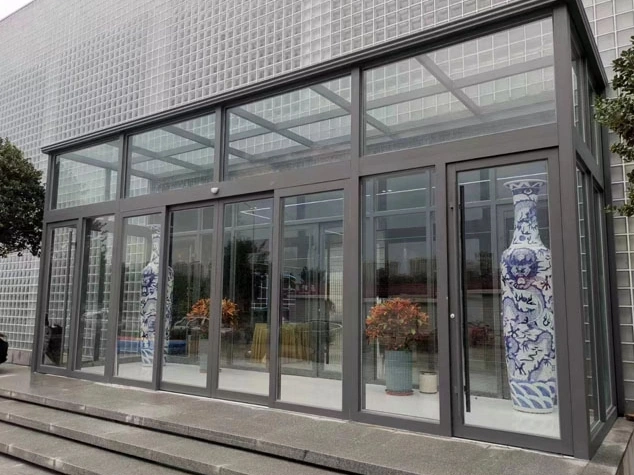
The aluminum alloy frame affects strength, appearance, and installation. GUDESEN’s product information includes aluminum alloy profiles, powder coating, customizable colors, and a finished surface. Buyers should treat these as approval items: frame color, surface texture, profile size, and connection with the glass should be checked before mass production. For projects needing more frame detail, Aluminum Alloy Sliding Door Profile can be reviewed as a related product direction.
DC Brushless Motor and Opening Speed
The Aluminum Alloy Glass Sliding Door product line refers to a DC24V DC brushless motor, auto switch, radar, remote control, infrared obstruction detection sensors, and Gudesen motor drive. For buyers, the useful question is not only which motor is used. It is whether the drive system suits daily traffic, door weight, opening width, and noise expectations.
Which Sensor and Safety Settings Matter Most?
Sensors decide how the door behaves in real use. A good-looking automatic glass door can still create problems if it opens late, closes too soon, or misses people standing near the threshold. Buyers should make sensing and safety part of the RFQ.
Radar Activation for Customer Flow
Radar or microwave activation helps detect approaching users. For stores and lobbies, the detection area should match the entrance width and expected walking direction. If the sensor sees too wide an area, the door may open too often. If it sees too narrow an area, users may slow down at the entrance.
Infrared Obstruction Detection for Closing Safety
Infrared obstruction detection sensors help reduce the risk of closing on people, carts, or carried items. Buyers should ask how the door reacts when an obstacle is detected, whether it stops or reopens, and how the installer tests this function before handover.
Remote Control and Auto Switch Options
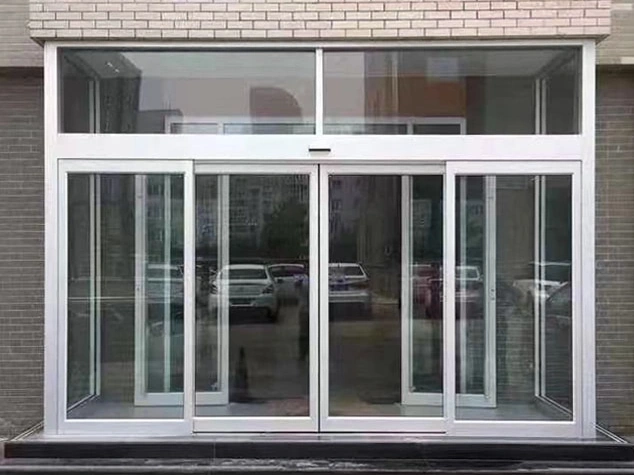
Some commercial entrances need different settings during business hours, cleaning time, and closing hours. Remote control, auto switch, or access integration can make the system easier to manage. Buyers should confirm who controls the door and whether the staff needs simple operating instructions.
Where Do Automatic Sliding Glass Doors Fit Best?
Automatic sliding glass doors fit many commercial settings, but the specification should change by use. A fashion store, hotel lobby, office building, and high-end apartment entrance do not need exactly the same setting.
Retail Stores and Shopping Centers
For retail stores, the main priorities are visibility, easy entry, and smooth customer flow. Clear glass helps people see the interior from outside. Fast but controlled opening helps reduce hesitation at the doorway.
Office Buildings and Commercial Lobbies
For office entrances, the door should look clean and operate quietly. The frame color and glass tone should match the lobby design. If the door is connected to security or reception control, this should be planned before installation.
Hotels and High-End Apartments
Hotels and high-end apartments usually care more about appearance, quiet movement, and comfort. Glass type, frame finish, opening width, and sensor response can all affect how premium the entrance feels.
What Should Buyers Send Before Final Door Selection?
Before final selection, buyers should send more than a doorway size. The supplier needs to understand the wall opening, business type, traffic level, glass preference, frame finish, and safety requirement.
Opening Size and Wall Condition Photos
Photos should show the full front opening, floor level, side walls, ceiling space, and any existing storefront frame. A finished opening size is more useful than an early drawing. If the door is part of a renovation, old frame removal should also be mentioned.
Traffic Pattern and Business Hours
A door used by a convenience store all day needs a different setting from one used by a private office lobby. Buyers should describe peak traffic, daily opening frequency, opening direction, and whether the door should stay partly open during busy periods.
Glass Color Frame Finish and Safety Request
The order file should include glass type, frame color, surface finish, sensor preference, and safety requirement. If the project needs a modern storefront appearance, these details should be approved with facade samples instead of handled after production.
Conclusion
Automatic sliding glass doors should be planned as part of a commercial entrance system. The buyer needs to check glass panels, aluminum alloy frame, motor drive, radar activation, infrared safety, opening size, traffic rhythm, and facade design before the final order.
A clear project file helps the supplier recommend a door that fits the entrance instead of only matching a product name. Buyers preparing a store, hotel, office, or commercial lobby entrance can send drawings, site photos, and traffic details to request a commercial entrance door review.
FAQs
Q1: What glass type is suitable for automatic sliding glass doors?
A1: Tempered glass is commonly used, while frosted, tinted, laminated, or Low-E options can be reviewed by project need.
Q2: Can automatic glass sliding doors use radar and remote control?
A2: Yes. Radar activation, remote control, and auto switch options can be considered for different commercial entrance settings.
Q3: Does GUDESEN offer automatic sliding glass doors for stores and commercial buildings?
A3: Yes. GUDESEN offers automatic sensor tempered glass door options for stores, commercial buildings, offices, hotels, and similar entrances.