




What Should Buyers Check Before Ordering an Aluminum Alloy Simple Quick Door?
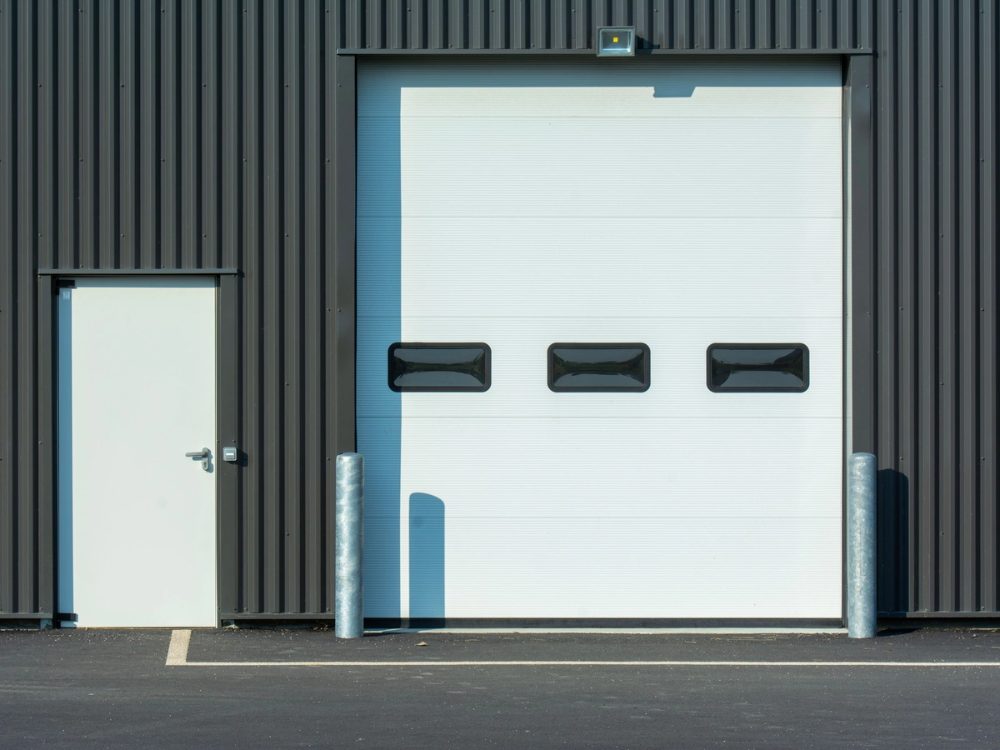
An aluminum alloy simple quick door is usually ordered when a project needs faster traffic than a normal rolling shutter, but also needs a harder, more protective curtain than a soft PVC door. For a warehouse entrance, a commercial back door, or a narrow workshop passage, the real question is not only whether the door can open fast. Buyers need to confirm the opening size, traffic pattern, control method, sealing demand, and outdoor conditions before they send a final RFQ. GUDESEN offers several industrial door lines, but the specification file for this type of door should be built around the site first, not around a catalog name.
The Aluminum Alloy Simple Quick Door page shows the core product direction clearly: aluminum alloy door curtain material, an anti-theft function, and a servo professional control system. The same product information also gives a practical working range, including an operating speed of 0.5m/s-1.2m/s and wider size options for project openings. Those details are useful, but only after the buyer knows what the door is expected to do every day.
Which Site Conditions Should Buyers Confirm First?
Most mistakes start before the supplier even checks the motor or curtain. A buyer sends one rough opening size, the site team measures another size, and the installation team later finds a beam, pipe, slope, or cable tray in the way. For an aluminum alloy high speed door project, the first check should be the site, not the quotation sheet.
Opening Size Drives the First Drawing
The clear width and clear height should be measured after the civil opening is stable, not while the wall is still being changed. The GUDESEN product data indicates a width range and height range from 800mm to 10000mm for applicable configurations. Buyers should still treat this as a project range, not a promise that every site condition fits without review. The supplier needs the finished opening, side room, headroom, floor condition, and installation surface before preparing a drawing.
Traffic Flow Changes the Control Plan
A door used by forklifts every few minutes needs a different control setup from a door used by staff twice a day. The product page mentions manual control, remote control, radar sensor, and ground loop sensor options. In a B2B project, this should become a traffic decision. Forklift routes, pedestrian routes, entry direction, and stopping distance all affect whether radar, loop detection, pull rope, or button control is safer and easier to maintain.

How Do Material and Structure Affect the Door Choice?
The aluminum curtain is the reason this product should not be treated the same way as a soft rapid door. It gives more structure and a stronger front face, but it also makes the project more dependent on track quality, motor matching, opening balance, and proper commissioning. Buyers should ask for a door schedule that explains the curtain, guide rails, shaft, motor, cover box, and safety devices together.
Aluminum Alloy Curtain Supports Anti-Theft Needs
For warehouses with finished goods, spare parts, tools, or higher-value equipment behind the opening, the curtain material matters. The GUDESEN page describes an aluminum alloy door curtain and anti-theft function. Buyers should turn that into a clear requirement: what level of daily security is needed, whether the door is exposed after working hours, and whether a harder curtain is being selected to reduce damage, tampering, or forced entry risk.
Guide Rails Need Enough Strength for Outdoor Use
Outdoor entrances face wind, rain, dust, and sometimes uneven ground around the threshold. The product information notes windproof performance and outdoor installation suitability. That does not remove the need for site confirmation. The supplier should see whether the opening faces a strong wind direction, whether water can collect near the sill, and whether the rails can be fixed to a stable structure.
Which Speed and Safety Details Belong in the RFQ?
Buyers often write “fast door” in the first message and leave the rest to the supplier. That is risky. Speed, safety, and control method should be written into the same RFQ because they affect each other. A faster opening may improve traffic, but only if the sensing method, control logic, and obstacle protection are suitable for the site.
Opening Speed Should Match Real Traffic
The product information gives adjustable opening speed information for project review. Instead of asking for the highest possible number, buyers should describe the actual cycle frequency. A warehouse with frequent pallet movement may need a faster cycle. A small service entrance may need smoother movement and simpler control. This avoids overspecifying a door that is too complex for the site.
Safety Sensors Need Clear Placement
Infrared anti-pinch sensing is useful only when installed and tested at the correct point. Buyers should ask how the sensor is positioned, how the door responds to an obstacle, and how the team should test the safety function after installation. If forklifts, carts, or pallet jacks often stop under the opening, the control logic must be checked before final approval.
RFQ details buyers should confirm for an aluminum alloy simple quick door:
- Opening size: controls door drawing and manufacturing dimensions. Confirm finished width, height, headroom, side room, and wall condition.
- Traffic method: affects controls and sensor choice. Confirm forklift route, pedestrian route, cycle frequency, and approach direction.
- Curtain and rail material: affects protection and long-term stability. Confirm aluminum alloy curtain, rail fixing method, and outdoor exposure.
- Control method: affects daily use and maintenance. Confirm button, remote, radar, ground loop, or mixed control.
- Safety function: reduces accident and complaint risk. Confirm infrared sensing, emergency stop, manual release, and commissioning test.
How Can Buyers Compare It With Other High Speed Door Options?
Buyers should not push every project toward one product. A buyer should compare the door with nearby options in the High Speed Door category. A soft PVC rapid door may suit a clean internal passage. A hard or insulated door may be more suitable where thermal control or stronger impact resistance is required. The aluminum alloy simple quick door sits between these needs, especially where speed, security, and a clean roll-up structure are all relevant.
Simple Quick Doors Fit Mixed Commercial and Industrial Sites
This product is useful when the entrance needs better daily security than a fabric curtain, but the project does not require a full heavy-duty hard high speed door. Buyers can use it for workshop passages, storage areas, commercial service entries, and some outdoor openings where the supplier confirms wind and fixing conditions.
Hard High Speed Doors Belong to Heavier Conditions
If the project requires stronger wind resistance, a more rigid panel design, or a higher protection level, buyers may need to compare the file with an Aluminum Alloy Hard High Speed Door. That comparison should be made by site condition, not by product name alone. The useful question is what daily risk the door must handle.
What Should Buyers Send Before Final Confirmation?
A complete RFQ does not need to be complicated, but it must be specific. The buyer should send a clear opening size, site photos, traffic direction, power condition, preferred control method, indoor or outdoor use, and any security or sealing requirements. If the order covers several entrances, each opening should have its own line in the door schedule.
Photos Reduce Drawing Errors
A front view, side view, ceiling view, and floor view help the supplier see details that are easy to miss in a written RFQ. Columns, pipes, cable trays, fire lines, beams, and slopes may all affect the final drawing. Good photos also help confirm whether standard side room and headroom are realistic.
A Door Schedule Keeps Batch Orders Consistent
For distributors or contractors ordering several doors, one spreadsheet can save several rounds of revision. Include opening number, location, size, control type, indoor or outdoor use, color request, and installation note. If the project is still uncertain, buyers can Contact Us with photos and opening data before locking the final order.
Conclusion
An aluminum alloy simple quick door should be specified as a project door, not just bought by name. Buyers need to confirm opening dimensions, traffic flow, aluminum curtain requirements, rail fixing conditions, speed settings, sensors, and control methods before the purchase file is approved. GUDESEN can be reviewed as a supplier option because its product line connects the aluminum alloy simple quick door with wider high speed door solutions. The better the site data, the easier it is to choose the right configuration and avoid later installation changes.
FAQs
Q1: Is an aluminum alloy simple quick door the same as a PVC high speed door?
A1: No. It uses an aluminum alloy curtain, so the structure and security role are different.
Q2: What information should buyers send for a quotation?
A2: Send opening size, site photos, traffic frequency, control method, and indoor or outdoor use.
Q3: Can one project use different high speed door types?
A3: Yes. Different openings may need different products depending on traffic, sealing, and security needs.