




Serrande avvolgibili in alluminio o in acciaio inossidabile: qual è il materiale giusto per la vostra struttura?
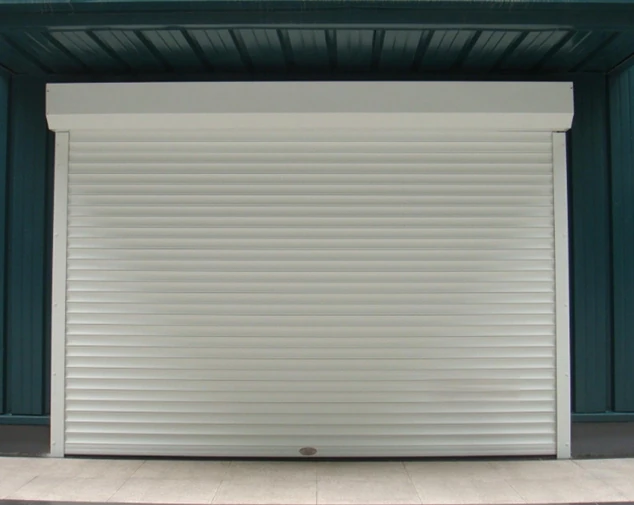
Rimanere vicino a un'area di servizio per dieci minuti fa sì che la scelta del materiale smetta di sembrare astratta. La stessa tenda si alza per una consegna, si abbassa mentre il personale esce per la pausa pranzo, per poi richiudersi dopo che l'ultimo pallet è entrato. Alla fine di un anno, la porta ti dice se il metallo era adatto a quell'apertura. Non si tratta di una gara di bellezza tra alluminio e acciaio inossidabile; è una questione di peso, rumore, esposizione e quanta manutenzione il sito può tollerare.
La decisione tra serranda avvolgibile in alluminio e in acciaio inossidabile è più semplice se si considera la durata di utilizzo della porta. Un magazzino asciutto accanto a un ufficio ha un problema diverso rispetto a una pescheria, un autolavaggio o un negozio sulla costa. GUDESEN produce entrambi i tipi di serranda. porta in lega di alluminio e il porta in acciaio inox all'interno della sua linea di porte avvolgibili, quindi il confronto utile non è tra il marchio A e il marchio B. Si tratta della stessa gamma di prodotti del fornitore abbinata a due rischi di cantiere molto diversi.
Ecco la versione breve. La lega di alluminio rende la tenda più leggera e il movimento più silenzioso. L'acciaio inossidabile è la scelta ideale quando la ruggine, l'acqua di lavaggio, la salsedine o una facciata lucida e sicura sono fattori più importanti. Entrambi i modelli sono progettati per la protezione antifurto e per un funzionamento stabile, quindi la scelta finale dipende solitamente dalle esigenze del sito, non dalla superiorità universale di un materiale rispetto all'altro.
Cosa cambiano i due materiali durante il funzionamento quotidiano
Una tapparella funziona in modo semplice e ripetitivo. Il telo si solleva dal pavimento, scorre lungo le guide, si avvolge attorno all'albero superiore e poi compie l'intero percorso in senso inverso. Il materiale influenza la percezione di questo movimento. Influisce sul carico del motore, sul rumore prodotto dalle lamelle e dalle guide e sul modo in cui la superficie invecchia dopo mesi di polvere, umidità e pulizia.
Lega di alluminio: tenda più leggera, funzionamento più silenzioso
Nel modello in lega di alluminio di GUDESEN, il materiale del telo è in lega di alluminio, la funzione dichiarata è antifurto, la caratteristica è la silenziosità e il sistema di azionamento è un motore stabile. Questa combinazione spiega perché una serranda avvolgibile in alluminio tende ad essere adatta ad ambienti che si aprono frequentemente ma non devono diventare un fastidio ogni volta che qualcuno utilizza l'ingresso. Il telo è più leggero, quindi il motore deve sollevare meno peso; inoltre, il movimento risulta meno brusco in ambienti come uffici, negozi e porte interne di magazzini.
Le porte avvolgibili in alluminio di GUDESEN utilizzano una lega di alluminio raffinata, con strisce anecoiche e guarnizioni in gomma vergine di alta qualità per garantire un funzionamento più silenzioso. Le guide possono inoltre essere dotate di guarnizioni impermeabili su entrambi i lati per proteggere da umidità, polvere e urti. Sono piccoli dettagli, ma determinano se una porta manterrà un suono normale anche dopo i primi mesi. Per gli acquirenti che pensano oltre la prima installazione, guida alla durata dell'alluminio È una lettura utile prima della selezione finale.
Una tenda silenziosa non rende un ambiente completamente silenzioso. Semplicemente elimina un fastidio evitabile dalla giornata: meno rumori mattutini, meno lamentele provenienti dagli uffici adiacenti e meno tentazione per il personale di lasciare la porta socchiusa perché chiuderla è fastidioso.
Acciaio inossidabile: progettato per resistere a condizioni estreme.
Il modello in acciaio inossidabile parte da una preoccupazione diversa. Il materiale del suo telo è in acciaio inossidabile, con funzione antifurto, caratteristica antiruggine e funzionamento stabile del motore. Questa è una promessa diversa rispetto alla porta in alluminio. Non si tratta principalmente di essere leggero o discreto; si tratta di resistere dove l'aria o la routine di pulizia metterebbero a dura prova una finitura più debole. porta in acciaio inox rientra nella rosa dei candidati quando l'umidità fa parte della normale routine all'ingresso.
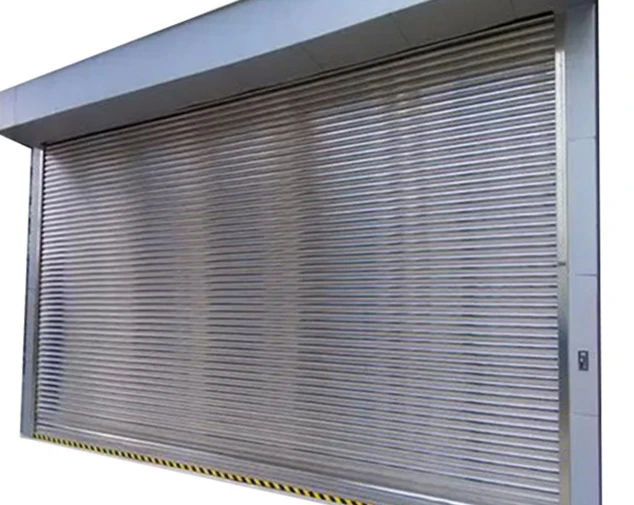
Il più ampio di GUDESEN famiglia di porte avvolgibili La gamma comprende leghe di alluminio, acciaio colorato, acciaio inossidabile, cristallo e serie manuali silenziose. Gli acquirenti spesso confrontano prima l'alluminio e l'acciaio inossidabile perché entrambi possono risultare esteticamente gradevoli su una facciata commerciale, ma la scelta migliore dipende solitamente da ciò che accade dopo l'installazione della porta: il clima, la frequenza di lavaggio, il numero di cicli di utilizzo e chi si occuperà della manutenzione.
Dove il rischio di corrosione dovrebbe decidere il materiale
La corrosione è insidiosa perché raramente appare urgente all'inizio. Una piccola macchia sulla lamella inferiore, una guida più ruvida rispetto al mese scorso, una zona in cui si accumulano i prodotti per la pulizia: niente di tutto ciò sembra un rischio di chiusura finché la tenda non inizia a trascinarsi. Prima di scegliere un materiale, ispezionate l'apertura dopo la pioggia, dopo la pulizia e alla fine di una giornata intensa. La porta vi mostrerà dove si annida il rischio.
Umidità, aria costiera e prodotti chimici per la pulizia
L'aria costiera deposita sale su veicoli e corrimano, quindi non eviterà di certo la chiusura della serranda. Gli ingressi di impianti di lavorazione alimentare, autolavaggi, mercati rionali e aree di stoccaggio di prodotti chimici presentano un problema simile a causa dell'acqua, dei detergenti o delle frequenti pulizie. In questi luoghi, una serranda avvolgibile in acciaio inossidabile non è una scelta di lusso dettata dall'estetica, ma dalla necessità di un materiale resistente e adatto alle sollecitazioni a cui la porta sarà sottoposta.
Quando l'acciaio inossidabile si guadagna il suo costo più elevato
L'acciaio inossidabile ha un costo iniziale più elevato, quindi la questione pratica è capire in quali casi questa spesa aggiuntiva tuteli il resto del budget. Conviene optare per l'acciaio inossidabile quando la corrosione richiederebbe una riverniciatura, la sostituzione anticipata dei componenti o un visibile deterioramento della vetrina. In un corridoio interno asciutto, lo stesso sovrapprezzo potrebbe essere difficile da giustificare. La lega di alluminio può svolgere egregiamente la funzione in questo contesto, soprattutto quando la silenziosità di movimento e il peso ridotto del telo sono più importanti della resistenza alla ruggine.
In che modo il peso e i sistemi di trasmissione influiscono sulla manutenzione
La manutenzione è il momento in cui una scheda tecnica si trasforma in una telefonata. Il sistema di azionamento solleva la tenda ad ogni apertura e la controlla durante la discesa. Una tenda pesante richiede maggiore sforzo all'albero, alle guide, ai dispositivi di fissaggio e al motore. Una tenda più leggera è più facile da maneggiare durante l'ispezione e la riparazione. Nessuno dei due aspetti implica che una porta sia sempre migliore dell'altra; significa semplicemente che il peso dovrebbe essere discusso prima di effettuare l'ordine.
Cosa deve gestire un motore stabile
Entrambi i modelli utilizzano un motore stabile. Questo è importante perché una porta che si muove bruscamente all'avvio o sbatte alla chiusura si usura rapidamente se esposta a un uso frequente. Con l'acciaio inossidabile, la stabilità del motore deve gestire il peso aggiuntivo del telo. Con la lega di alluminio, la stessa stabilità contribuisce a mantenere il movimento fluido e silenzioso anche con un utilizzo ripetuto. Se l'apertura avverrà tutto il giorno, è importante verificare come il sistema di azionamento sia adattato alle dimensioni della porta, alla modalità di funzionamento e al traffico previsto.
Realtà della riparazione e della sostituzione
Le riparazioni sono più semplici quando il materiale, il fornitore e la documentazione di installazione corrispondono. Una tenda in alluminio più leggera è meno ingombrante durante i lavori su lamelle o pannelli. Una tenda in acciaio inossidabile potrebbe richiedere una maggiore attenzione in cantiere, ma può evitare riparazioni dovute alla corrosione, un problema che l'alluminio non è mai stato concepito per risolvere. Per richiedere un preventivo, inviare le dimensioni dell'apertura, la geometria dell'apertura, foto o disegni, il metodo di funzionamento, i cicli giornalieri previsti, le note sull'esposizione e l'accesso per l'installazione. GUDESEN si occupa di progettazione, produzione, vendita, installazione e assistenza post-vendita, quindi questi dettagli possono essere verificati prima della conferma dell'ordine.
Sicurezza e aspetto di vetrine e strutture
La sicurezza non rappresenta la differenza più marcata tra i due materiali, contrariamente a quanto molti acquirenti si aspetterebbero. Entrambi i modelli, in lega di alluminio e in acciaio inossidabile, offrono una funzione antifurto. Per una vetrina, la differenza principale risiede nell'aspetto e nella resistenza nel tempo della porta. L'acciaio inossidabile conferisce un aspetto più pulito e robusto, tipico degli ambienti commerciali, e resiste alle macchie che possono dare un'aria trasandata all'ingresso. La lega di alluminio, invece, risulta più leggera e silenziosa, adatta a uffici, serrande interne, garage e magazzini, dove la porta deve proteggere l'apertura senza risultare ingombrante sulla facciata.
Serranda avvolgibile in alluminio o in acciaio inossidabile: un percorso di scelta semplice
La maggior parte degli acquirenti può fare la scelta basandosi su due semplici osservazioni: cosa c'è nell'aria e con quale frequenza viene aperta o chiusa la porta. Se le osservazioni indicano direzioni opposte, è meglio dare priorità al rischio maggiore. Una porta silenziosa che si corrode precocemente non è comunque la scelta giusta. Allo stesso modo, una porta antiruggine installata dove il problema principale è il rumore quotidiano potrebbe essere eccessiva.
|
Controllo dell'acquirente |
La lega di alluminio è più adatta quando |
L'acciaio inossidabile è più adatto quando |
|
Ambiente del sito |
Gli ambienti asciutti, riparati o adiacenti agli uffici necessitano di un livello di rumore inferiore e di movimenti più leggeri. |
L'aria costiera, l'acqua di lavaggio, l'umidità o le sostanze chimiche rendono il controllo della ruggine il rischio principale. |
|
Schema operativo |
I cicli di utilizzo frequenti e quotidiani traggono vantaggio da una tenda più leggera e da un funzionamento stabile del motore. |
Un utilizzo moderato o intensivo può giustificare l'impiego di materiali più resistenti, qualora l'esposizione a tali condizioni potesse danneggiare la finitura. |
|
Dettagli della richiesta di offerta |
Condividi le dimensioni dell'apertura, la geometria dell'apertura, il metodo di funzionamento, lo schema del ciclo, le foto e le esigenze di guida/tenuta. |
Aggiungere note sull'esposizione, routine di pulizia, requisiti di finitura della vetrina e accesso per l'installazione. |
|
Problema di manutenzione |
In genere, i principali vantaggi risiedono nella maggiore facilità d'uso e nella minore rumorosità durante l'utilizzo quotidiano. |
I materiali antiruggine possono prevenire riverniciature, macchie e riparazioni premature dovute alla corrosione. |
Scegli la lega di alluminio quando peso e rumorosità sono fattori determinanti.
Scegliete la lega di alluminio quando l'apertura è interna, riparata o sufficientemente asciutta da non presentare problemi di corrosione. È la soluzione ideale per negozi, magazzini, garage e aperture di servizio in prossimità di aree di lavoro. Il telo in lega di alluminio, la silenziosità, la funzione antifurto e la stabilità del motore si combinano perfettamente per una porta che deve essere utilizzata frequentemente senza risultare rumorosa.
Scegli l'acciaio inossidabile quando l'esposizione agli agenti atmosferici rappresenta una minaccia.
Scegli l'acciaio inossidabile quando la porta si trova in un ambiente umido, vicino alla costa, a contatto con prodotti chimici per la pulizia o su una vetrina dove una finitura metallica pulita è parte integrante dell'immagine aziendale. Il telo in acciaio inossidabile e la sua resistenza alla ruggine rispondono perfettamente a queste esigenze. In tali contesti, la maggiore pesantezza non rappresenta di per sé uno svantaggio; è piuttosto una caratteristica di una porta scelta per la sua resistenza, sicurezza e per mantenere un aspetto pulito più a lungo.
Conclusione
Il materiale migliore è quello che si adatta al contesto reale. La lega di alluminio è la scelta ideale quando peso, rumorosità e frequenza di utilizzo sono i fattori critici. L'acciaio inossidabile è più indicato quando la durata della porta è determinata da corrosione, lavaggi frequenti, salsedine o dalla presenza di una superficie di sicurezza lucida. Poiché entrambi i modelli condividono lo stesso sistema antifurto e un funzionamento stabile del motore, non utilizzare la sicurezza come criterio decisivo. Prima di richiedere un preventivo, ispeziona l'apertura, valuta l'ambiente circostante, conta i cicli di apertura e chiusura e scegli la porta più adatta alle tue esigenze.
Domande frequenti
D1: È più sicura una serranda avvolgibile in alluminio o in acciaio inossidabile?
A1: Entrambi i modelli includono una funzione antifurto, quindi il solo materiale non dovrebbe essere considerato sufficiente a garantire la sicurezza. La sicurezza dipende anche dall'installazione, dall'allineamento delle guide, dai punti di chiusura e dalla corretta adattabilità della porta all'apertura. Scegliete prima il materiale più adatto all'ambiente, poi verificate i dettagli relativi alla sicurezza con il fornitore.
D2: Le serrande avvolgibili in acciaio inossidabile arrugginiscono?
A2: La serranda avvolgibile in acciaio inox di GUDESEN è dotata di una caratteristica antiruggine, motivo per cui è adatta ad ambienti umidi, costieri e soggetti a frequenti lavaggi. Nessuna porta metallica dovrebbe essere scartata dopo l'installazione, ma l'acciaio inox è il punto di partenza migliore quando la corrosione è una minaccia nota.
D3: Quale materiale per serrande avvolgibili è più facile da manutenere?
A3: In un ambiente asciutto e frequentato, la lega di alluminio è generalmente più pratica perché la tenda è più leggera e silenziosa. In un ambiente umido o con presenza di sostanze chimiche, l'acciaio inossidabile può ridurre la necessità di manutenzione per la corrosione che altrimenti si presenterebbe in seguito. L'opzione più semplice è quella che elimina il problema ricorrente più frequente del vostro sito.