
Noticias
-
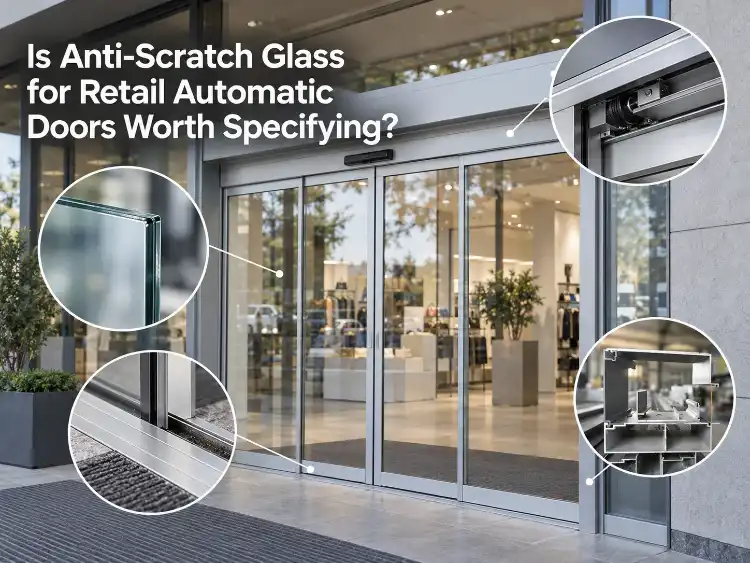
 22 SepPor AdminIs Anti-Scratch Glass for Retail Automatic Doors Worth Specifying?Is anti-scratch glass for retail automatic doors worth specifying? Usually the honest answer is that the glazing is not the part of the entrance that fails first. A storefront leaf goes dull because a cage has clipped it on the way out of the loading door, because the same grit has been sitting in the threshold for a fortnight, or because a cloth that was used on the floor was used on the glass next. Sorting those causes from the glass itself is what makes the difference. Two of them can be designed out before the door arrives. The third…
 -
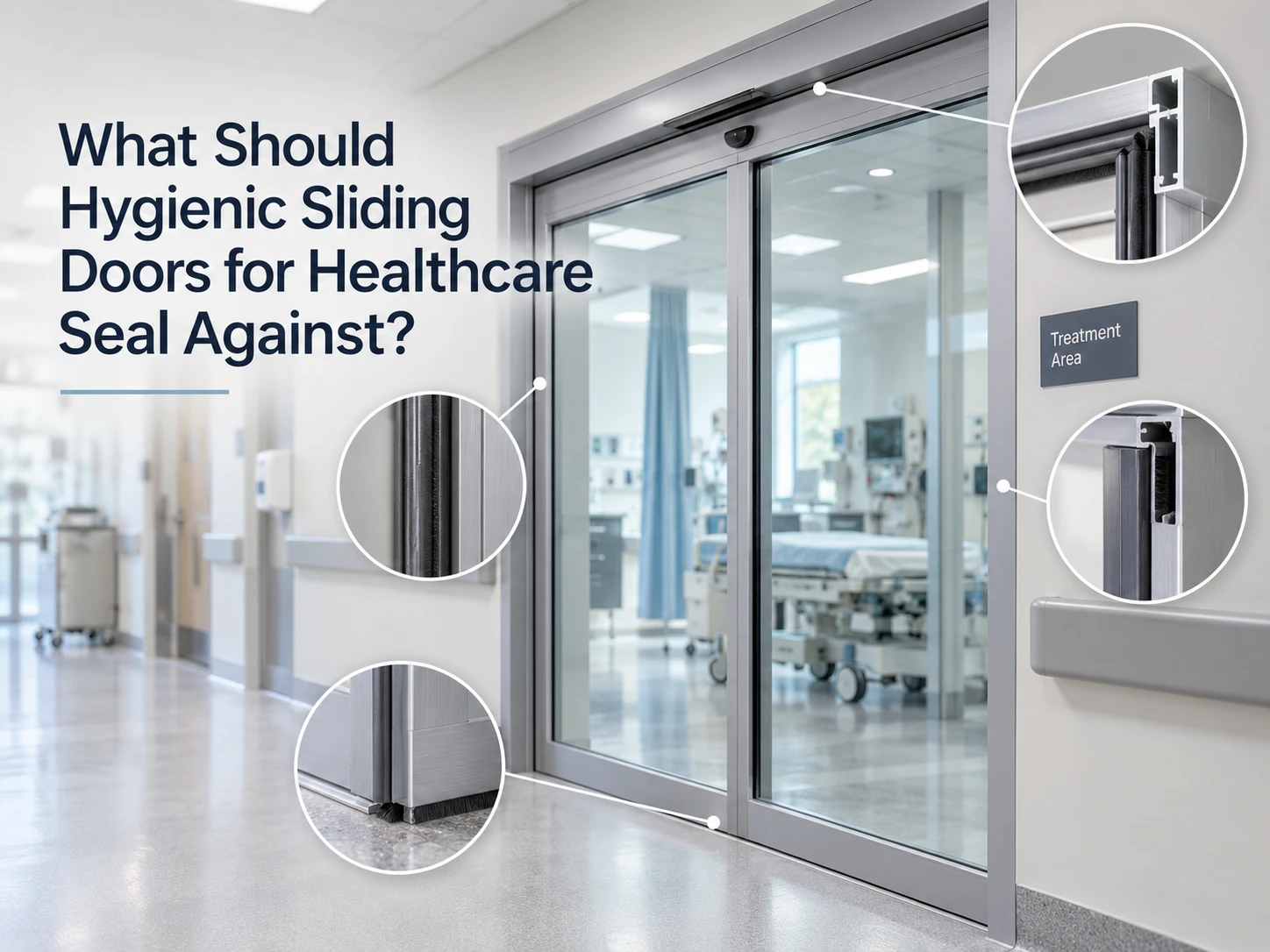
 21 SepPor AdminWhat Should Hygienic Sliding Doors for Healthcare Seal Against?Hygienic sliding doors for healthcare are usually chosen because of the room behind them, not because of the way they look. What decides the specification is what the door keeps apart, where it lets something through, and whether a cleaning team can reach every joint in the assembly. The order that works runs backwards from that requirement. Work out what has to stay on one side of the opening. Then find the places where a door can leak or hold soil. Leaf materials and glazing only become worth comparing once those two answers are settled. What a Hygienic Sliding Door…
 -
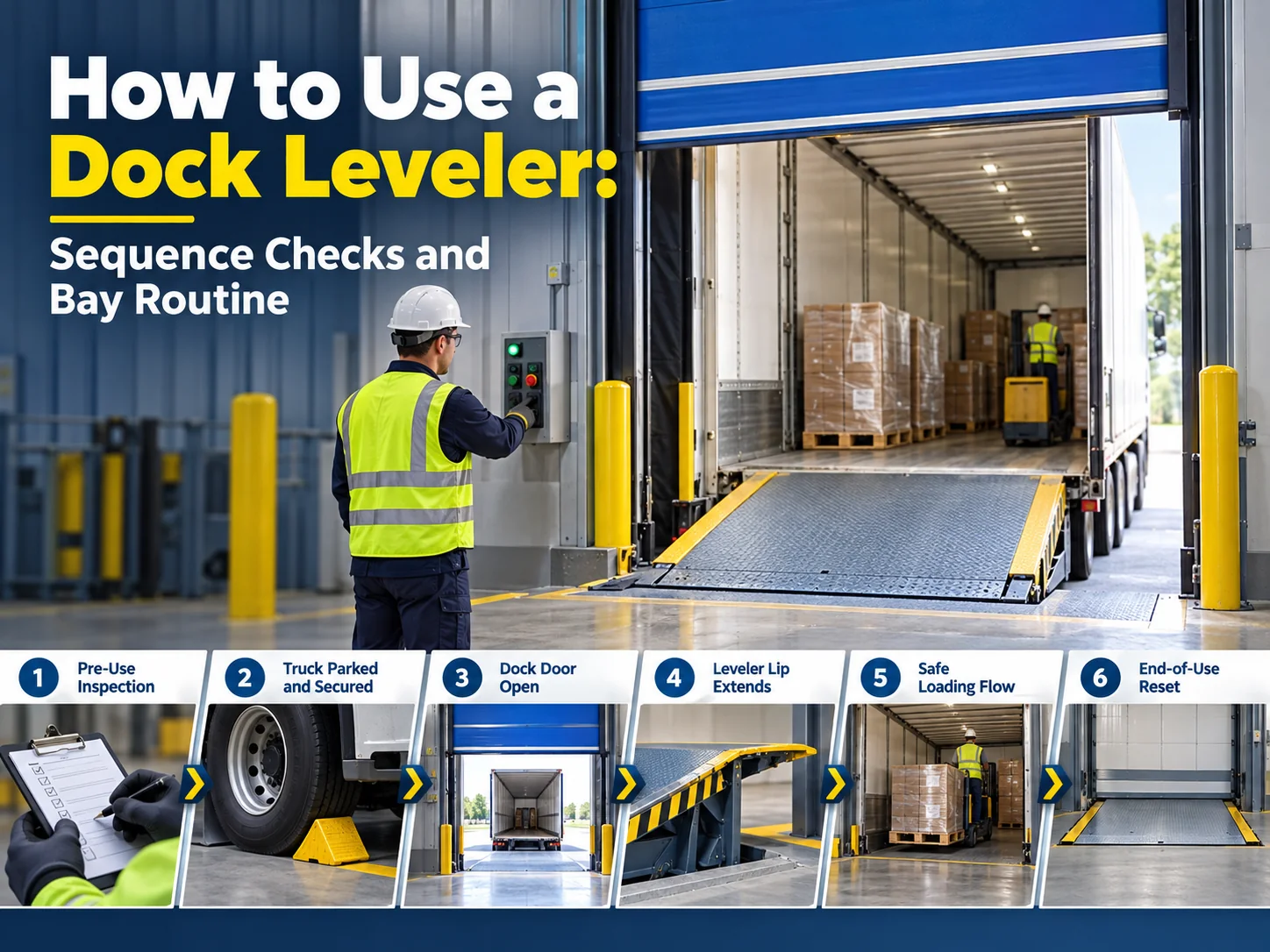
16 SepPor AdminHow to Use a Dock Leveler: Sequence, Checks and Bay RoutineKnowing how to use a dock leveler is really knowing one order: the trailer cannot move, the lip is properly seated on the trailer bed, and nobody starts loading before both of those are confirmed. Operators who know the buttons but not that order are the reason bays have near misses that nobody can trace to a single step. Anyone learning how to use a dock leveler should learn the order first and the controls second. The sequence below is written to be used, not just read: it covers what the equipment actually does, what to check before anything moves,…
-
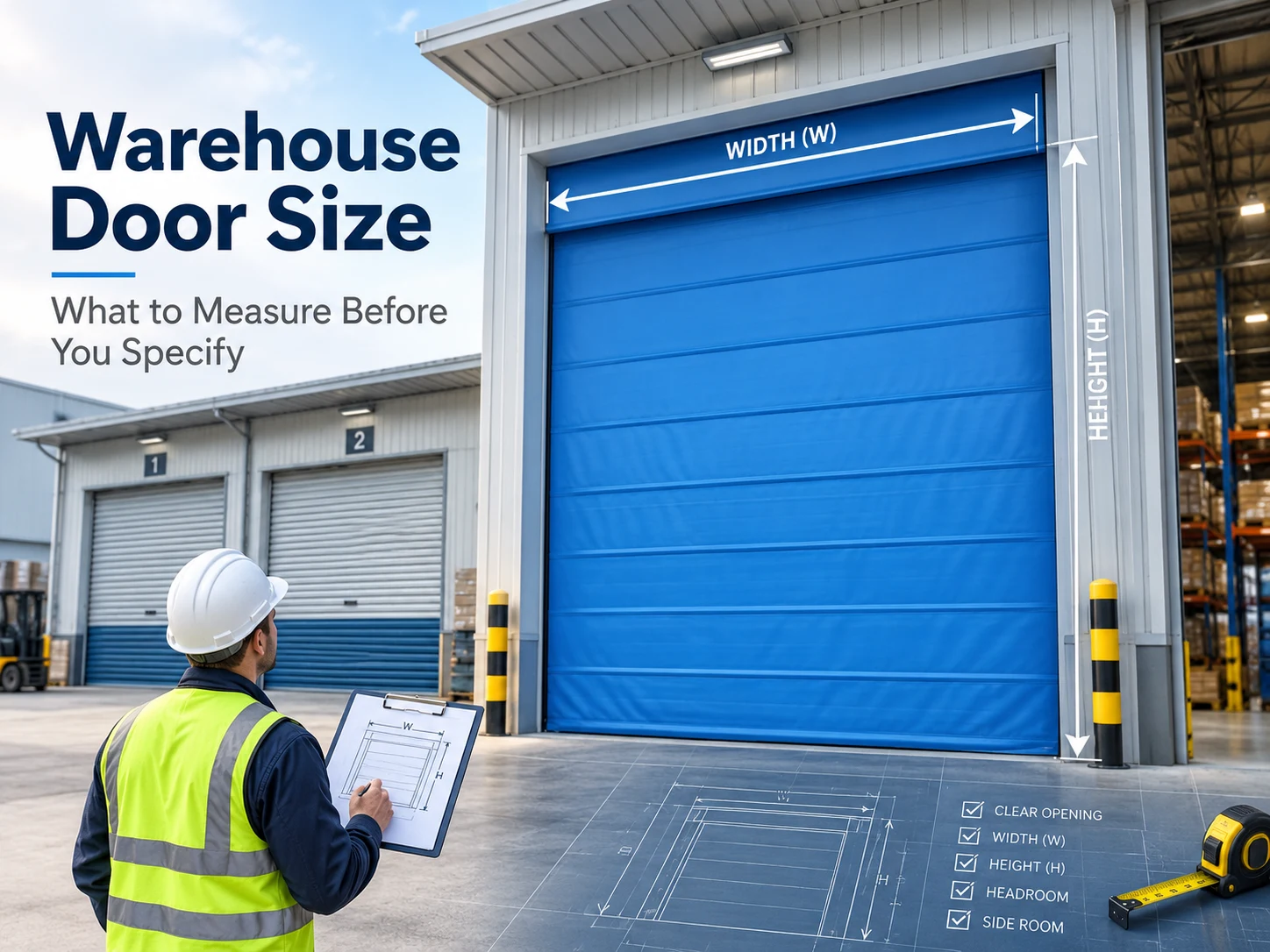
15 SepPor AdminWarehouse Door Size: What to Measure Before You SpecifyA warehouse door quotation usually arrives with a category and a price, and no answer to the question that matters: will this door fit the opening we already have? The aperture was measured once, in a hurry, and the person who measured it may not be the person reading the quotation. Warehouse door size is not a catalogue question. It is a traffic question and a space question, and both have to be settled before anyone signs off on the order. The measurement work is short but it has a sequence: understand what actually decides the size, measure the structure,…
-
 09 SepPor Admin¿Su operador de puerta corredera automática puede manejar vidrio pesado?Una entrada de vidrio puede parecer ligera y sencilla, pero supone una carga sorprendentemente pesada para el sistema de accionamiento situado encima. Esto cobra importancia cuando un escaparate grande utiliza hojas altas de vidrio templado, paneles móviles más anchos o una distribución de dos hojas. Por lo tanto, el operador de puerta corredera automática debe seleccionarse en función de la carga móvil real, no solo del ancho de la puerta. Lo mismo ocurre cuando los compradores buscan un abridor de puerta corredera automática, un operador de puerta automática o un operador de puerta corredera. Los diferentes nombres de productos suelen llevar a la misma pregunta práctica: ¿puede el accionamiento mover la puerta terminada con suavidad cada día sin problemas?
 -
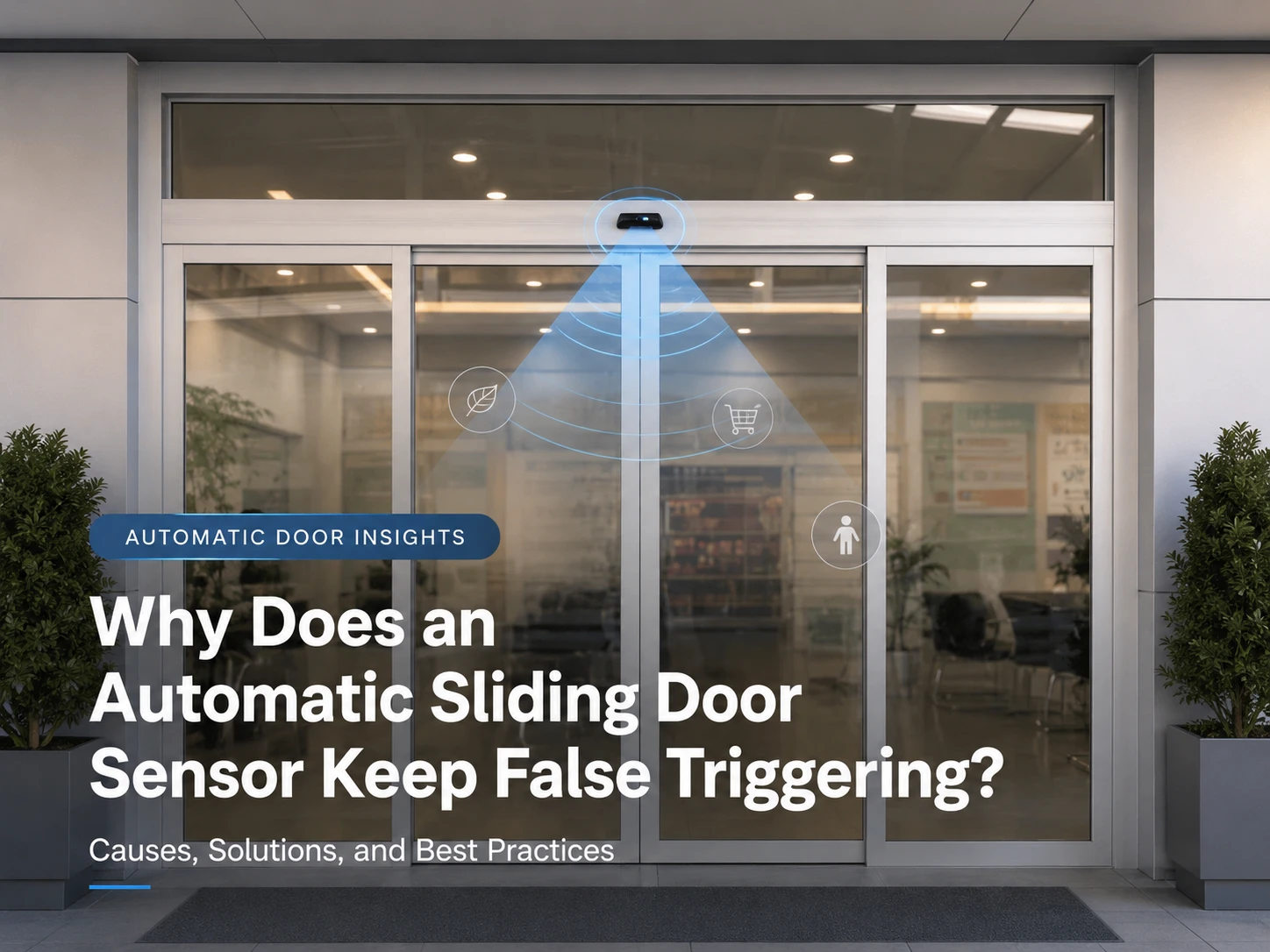 08 SepPor Admin¿Por qué un sensor de puerta corredera automática se activa por error constantemente?Una puerta corredera comercial que no se abre para nadie es más que una simple molestia. Las aperturas falsas repetidas aumentan los ciclos de apertura innecesarios, interrumpen el control de la temperatura interior, distraen al personal y hacen que los usuarios duden de si la entrada funciona correctamente. A menudo, se culpa primero al sensor de la puerta corredera automática. A veces, el sensor realmente está defectuoso. Sin embargo, con frecuencia, el problema reside en el campo de detección, la posición de montaje, el tránsito alrededor de la entrada, la lógica de control o el cableado entre el sensor y el controlador. Esta distinción es importante. Reemplazar un sensor sin identificar la causa de la activación puede dejar el mismo problema. ¿Por qué una puerta corredera automática…