




Welches Rolltor ist das richtige für Ihr Geschäft?
Ein Sicherheitstor für Ladenfronten erfüllt zwei Aufgaben, die unterschiedliche Anforderungen stellen. Es muss den Zugang nach Ladenschluss einschränken, gleichzeitig aber auch die Waren sichtbar lassen, die Luftzirkulation ermöglichen, den Innenraum vor Einblicken schützen oder die Öffnung vor Wind und Schmutz bewahren. Die richtige Wahl hängt nicht allein vom Begriff „Sicherheit“ ab. Sie ergibt sich vielmehr daraus, welche Funktionen das Tor im geschlossenen Zustand erfüllen muss und wie das Personal es täglich öffnen muss.
Drei Entscheidungen grenzen die Auswahl schnell ein. Erstens: Müssen Sichtlinien und Luftzirkulation erhalten bleiben? Zweitens: Wie viel physische und visuelle Abdeckung soll der geschlossene Rollladen bieten? Drittens: Die Öffnungsmethode muss zur Betriebshäufigkeit und den Zutrittsberechtigten passen. Diese Fragen unterscheiden ein Rolltor von einem festen Rollladen und zeigen, ob manuelle, elektrische oder ferngesteuerte Bedienung für den jeweiligen Standort geeignet ist.
Risiken im Ladengeschäft verändern sich nach der Schließung
Beginnen Sie mit der geschlossenen Schaufensterfront anstatt mit dem Eingangsbereich. Ein Ladenlokal hinter einem Einkaufszentrum benötigt möglicherweise hauptsächlich eine sichtbare Abgrenzung am Eingang. Ein Marktstand an der Straße benötigt unter Umständen einen stärkeren Schutz vor Wind, Staub und neugierigen Blicken. Eine Bank, eine Garage oder ein exponierter Geschäftseingang erfordern möglicherweise noch mehr eine massive Barriere und eine verstärkte Wegweisung. Der Standort beeinflusst das Verhältnis zwischen Präsentationswert, Umgebungsabdeckung und Zugangskontrolle.
Erstellen Sie eine Liste, was sich nach Geschäftsschluss hinter der Öffnung befindet und wer Zugang hat. Dokumentieren Sie anschließend, ob die Schaufensterfront vom Flur aus einsehbar sein muss, ob Luftzirkulation durch die Öffnung, Sichtschutz, Wetterschutz oder eine Kombination davon erforderlich ist. Kein einzelner Vorhang bietet alle Vorteile in optimaler Weise. Offene Muster ermöglichen mehr Sicht und Belüftung; blickdichte oder engmaschige Vorhänge bieten eine vollständigere Abdeckung. Die Designwahl sollte diesen Kompromiss deutlich machen.
Die Produktinformationen von GUDESEN beschreiben die Türserie mit Blumengitter als lichtdurchlässig, gut sichtbar, lüftungsfreundlich und einbruchhemmend – ideal für Laden- und Markttüren. Maschenart und -größe sind individuell anpassbar, und die Öffnung kann manuell, elektrisch oder per Fernbedienung erfolgen. Diese nachgewiesenen Eigenschaften bestätigen die Eignung der Gittertür, ohne dass man davon ausgehen muss, dass jedes Sicherheitstor standardmäßig ein offenes Gitter hat.
Rollgitter erhalten Sichtlinien und Luftzirkulation
Wählen Sie ein Sicherheitsgitter, wenn die geschlossene Schaufensterfront optisch mit dem öffentlichen Bereich verbunden bleiben soll. Schmuckauslagen, Marken-Innenräume, beleuchtete Waren und Schaufenster in Gebäuden mit Sicherheitsdienst profitieren davon, wenn Kunden und Sicherheitspersonal durch die Gitter hindurchsehen können. Die offene Form ermöglicht zudem die Luftzirkulation, wo eine vollständig abgedichtete Sichtscheibe nicht erforderlich ist.
Der Vorteil liegt in der Abgrenzung. Ein Gitter verhindert zwar das Eindringen durch seine Konstruktion, verbirgt aber weder den Innenraum noch bildet es denselben Schutz vor äußeren Einflüssen wie ein massiver Rollladen. Kleine Gegenstände, Staub, Schlagregen oder absichtliche Blicke werden nicht in gleichem Maße abgehalten. Bei einer offenen Öffnung muss die Sicherheitsentscheidung daher in Verbindung mit den Witterungs- und Datenschutzanforderungen des jeweiligen Standorts getroffen werden und darf sich nicht allein auf das Erscheinungsbild stützen.
Sicht durch den geschlossenen Vorhang
Prüfen Sie die Sichtbarkeit aus beiden Richtungen. Entscheiden Sie von außen, wie viel von der Anzeige nach dem Schließen noch lesbar sein sollte. Prüfen Sie von innen, ob Mitarbeiter oder Sicherheitspersonal freie Sicht auf den Zugang benötigen. Gittermuster, Stababstand, Oberfläche, Beleuchtung und Betrachtungsabstand beeinflussen das Ergebnis. Ein Muster oder eine bestätigte Produktzeichnung ist hilfreicher, als alle Sicherheitsgitter als gleichwertig zu betrachten.
Die Wissensdatenbank von GUDESEN ermöglicht die individuelle Anpassung von Gittermuster und -größe, wodurch die Sichtbarkeitsanforderungen in die Produktauswahl einfließen. Vor Ort sollten außerdem Öffnungsbreite und -höhe, Montageposition, verfügbare Kopffreiheit sowie die umgebende Struktur überprüft werden. Diese Faktoren entscheiden darüber, ob das gewählte Gittermuster für die jeweilige Öffnung realisiert und korrekt geführt werden kann.
Massive Fensterläden bieten eine umfassendere Abdeckung.
Ein geschlossener oder engmaschiger Rollladen ist die optimale Wahl, wenn für die Ladenfront nach Geschäftsschluss Privatsphäre und ein umfassender Sichtschutz erforderlich sind. Er verhindert direkte Einblicke in die Waren und das Geschehen im Inneren und bietet Wind, Staub und Witterungseinflüssen weniger Angriffsfläche. Daher eignet er sich besonders für Geschäfte mit Straßenzugang, Markteingänge, Garagen und Öffnungen, bei denen die geschlossene Tür Teil der räumlichen Abgrenzung ist.
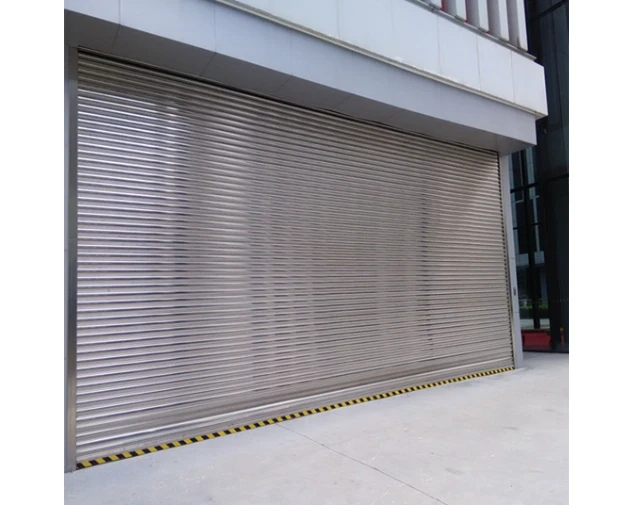
Die jetzige Elektrisches Walztor Die Seite listet Ausführungen für Aluminiumlegierungen, Edelstahl und verzinktes Material auf; manuelle und elektrische Öffnung; Materialstärken von 0,8, 1,0 und 1,2 mm; sowie Beleuchtung, Belüftung und Diebstahlsicherung. Außerdem werden verstärkte Laufschienen und die Widerstandsfähigkeit gegen Wind und Aufhebeln beschrieben. Die Abbildungen zeigen geschlossene oder Lamellenrollläden. Daher sollte dieses Modell anhand der bestätigten Zeichnung und des Rollladenmusters beurteilt werden und nicht fälschlicherweise von einem offenen Gitter ausgegangen werden.
Diese Unterscheidung schützt den Auswahlprozess. Produktnamen können mehrere Marktbegriffe kombinieren, während der eigentliche Vorhang Sicht und Abdeckung bestimmt. Fragen Sie nach der aktuellen Höhe, dem Material, dem Lamellen- oder Gittermuster, der Oberfläche, den Führungsdetails und der Öffnungsmethode. Die resultierende Spezifikation sollte genau beschreiben, was geliefert wird, anstatt sich auf die allgemeine Bezeichnung „Sicherheitstor“ zu verlassen.
Privatsphäre, Staub und Witterungseinflüsse
Sichtschutz ist eine ständige Anforderung: Wenn der Innenraum nicht einsehbar sein darf, genügt selbst ein stabiles, offenes Gitter nicht. Staub und Witterungseinflüsse sind weitere wichtige Faktoren. Beachten Sie die vorherrschende Windrichtung, ob Regen die Öffnung erreicht, wie nah das Geschäft an einer Straße oder einem Ladebereich liegt und ob der Boden regelmäßig gereinigt wird. Diese Faktoren bestimmen, wie umfassend die Abdeckung sein muss.
Die Produktlinie für Vollfensterläden von GUDESEN berücksichtigt Aspekte wie Witterungsbeständigkeit, Regen-, Feuchtigkeits-, Sand- und Staubbeständigkeit sowie den Sichtschutz auf Systemebene. Die genauen Leistungsmerkmale müssen jedoch für das gewählte Modell und die Abmessungen noch geprüft werden. Edelstahl wird auf der aktuellen Produktseite ebenfalls als wartungsarmes Material aufgeführt. Güteklasse, Oberflächenbeschaffenheit und Umweltverträglichkeit sollten jedoch für jedes Projekt einzeln geprüft und nicht allein aus der Materialbezeichnung abgeleitet werden.
Elektrischer Betrieb prägt den täglichen Zugang
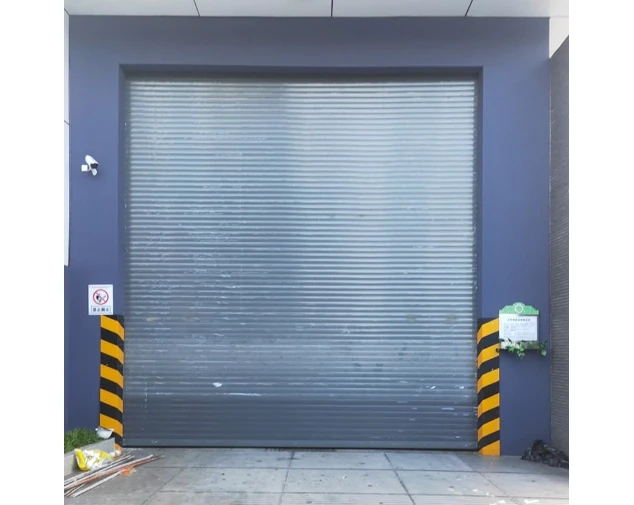
Die Entscheidung für einen Rollladen bestimmt, welche Anforderungen das Schaufenster im geschlossenen Zustand stellt. Die Entscheidung für die Steuerung regelt die Funktionsweise tagsüber. Ein manuell bedienbarer Rollladen eignet sich möglicherweise für kleinere Öffnungen mit wenigen Öffnungszyklen und zuverlässigem Personalzugang. Ein elektrischer Rollladen reduziert den Kraftaufwand und sorgt für ein gleichmäßigeres Öffnen und Schließen an einem häufig frequentierten Eingang.
Der elektrische Betrieb ersetzt nicht die Definition der Steuerung. Legen Sie fest, wer das Tor öffnen darf, wo die Bedienelemente angebracht werden, ob eine Fernbedienung sinnvoll ist und was bei einem Stromausfall geschehen soll. GUDESEN verfügt über umfassendes Know-how im Bereich Rolltore, einschließlich manueller, elektrischer und ferngesteuerter Öffnungsmethoden. Einige Produktserien unterstützen möglicherweise zusätzliche Sicherheitsvorrichtungen, Infrarot- oder Rückprallschutz sind jedoch optional, bis die Kompatibilität mit dem jeweiligen Tor und der Steuerung bestätigt ist.
Öffnungsfrequenz und Kontrollmethode
Berücksichtigen Sie realistische Tageszyklen, anstatt den Geschäftsbetrieb lediglich als stark frequentiert zu beschreiben. Ein Tor, das sich einmal morgens öffnet und einmal abends schließt, erfüllt eine andere Funktion als ein Tor für Lieferungen, Personalzugang oder zeitlich begrenzte Öffnungszeiten. Beachten Sie außerdem, ob es von einer Person oder mehreren autorisierten Benutzern bedient wird. Diese Details helfen dabei, den Nutzen eines motorisierten Rolltors für den Betrieb zu bestimmen.
Auf der aktuellen Seite für elektrische Sicherheitstore werden sowohl manuelle als auch elektrische Öffnungsoptionen aufgeführt. Die Produktbeschreibung hebt den leichtgängigen und geräuscharmen Lauf hervor. Als Materialoptionen für den Rollladen werden Edelstahl und verzinkter Stahl genannt, wobei die Spezifikationen drei Stärkenoptionen auflisten. Dadurch ist der elektrische Rollladen konfigurierbar. Motordetails, Steuerungszubehör, Sicherheitsfunktionen und Belastungsgrenzen müssen jedoch noch in Abhängigkeit von der gewählten Größe und Konfiguration bestätigt werden.
Die Ladenbedingungen, die über das endgültige Ergebnis entscheiden
Fassen Sie die verschiedenen Optionen in einem Standortbericht zusammen. Dokumentieren Sie die lichte Öffnungsbreite und -höhe, den Standort (innen oder außen), die Montageposition, den verfügbaren Kopf- und Seitenraum, die gewünschte Sicht, die Anforderungen an die Privatsphäre, die Gefährdung durch Wind und Schmutz, die Tageszyklen, die bevorzugte Steuerungsmethode und die Personen, die Zugang benötigen. Fügen Sie Fotos von innen und außen sowie alle vom Grundstück oder Einkaufszentrum vorgegebenen Einschränkungen bei.
Ein Ladengeschäft mit Auslage im Innenbereich kann zunächst mit einem Rolltor und anschließend aus Komfortgründen mit elektrischer Steuerung ausgestattet werden. Ein Ladenlokal mit offener Straßenfront bietet sich hingegen mit einem geschlossenen Rollladen und verstärkter Führung an. Hier kann dann je nach Anzahl der Öffnungszyklen entschieden werden, ob die Bedienung manuell oder motorisiert erfolgt. Bei gemischten Anforderungen ist möglicherweise ein genau abgestimmtes Lamellen- oder Gittermuster anstelle einer generischen Produktbezeichnung erforderlich. Die endgültige Entscheidung hängt von der Kombination aus Rolltor, Material, Führungen, Montage und Steuerung ab.
GUDESEN kann die Konfiguration des primären Sicherheitstors mit seiner Automatische Edelstahl Sicherheit Shutter Tür Wenn für ein Projekt eine klarere Abdeckung durch einen blickdichten Vorhang erforderlich ist, bietet das zugehörige Produkt eine Portfolio-Referenz für Sicherheitssysteme und automatische Bedienung aus Edelstahl. Die genauen Abmessungen, der Motor, die Steuerung und das Zubehör bleiben dabei projektspezifisch. Dieser Vergleich verhindert, dass ein Bedürfnis nach freier Sicht mit einem blickdichten Vorhang oder ein Bedürfnis nach Privatsphäre mit einem offenen Gitter erfüllt wird.
Der nächste sinnvolle Schritt ist nicht die Anforderung des stabilsten Tores. Vielmehr geht es um ein Tor, das dem tatsächlichen Schließzustand des Ladengeschäfts und dem täglichen Zugangsverhalten entspricht. Anhand der Objektbeschreibung kann GUDESEN vor der Angebotserstellung prüfen, ob ein manueller Verschluss oder ein motorisierter Rollladen geeignet ist. Dabei werden auch das aktuelle Vorhangdesign, Material- und Stärkenoptionen, die Laufrichtung und das passende Zubehör berücksichtigt.
Schlussfolgerung
Das richtige Rolltor beginnt mit der geschlossenen Schaufensterfront. Wählen Sie eine Gitterausrichtung, wenn Sichtlinien und Luftzirkulation wichtig sind und kein vollständiger Sicht- oder Umgebungsschutz erforderlich ist. Entscheiden Sie sich für eine geschlossene Rollladenausrichtung, wenn Privatsphäre, größere Abdeckung und Lichtregulierung wichtiger sind. Legen Sie anschließend fest, ob manuelle, elektrische oder ferngesteuerte Bedienung der Öffnungsgröße, der Anzahl der Öffnungszyklen und den Zutrittsberechtigungen entspricht.
Bitte senden Sie GUDESEN die Maße der Öffnung, Fotos der Montage, den Standort (innen oder außen), Ihre Prioritäten in Bezug auf Sicht- und Sichtschutz, die Witterungseinflüsse, die täglichen Nutzungszyklen und die gewünschte Steuerungsmethode. Anhand dieser Informationen können wir den passenden Vorhang und das passende Bedienungssystem auswählen. Aktuelle Zeichnungen und Produktspezifikationen bestätigen Ihnen genau, was Ihr Schaufenster erhalten wird.
FAQs
Frage 1: Welche Ladenfronten eignen sich gut für ein Rolltor?
A1: Ein Rollgitter eignet sich gut für verkaufsfördernde Geschäfte, Ladenlokale in Einkaufszentren und Marktöffnungen, die nach dem Schließen Sicht- und Luftzirkulation ermöglichen sollen. Vor Ort müssen noch das Gittermuster, die Öffnungsmaße, der Montageplatz, die Sicherheitsanforderungen und die Frage, ob ein festerer Verschluss für Sicht- oder Wetterschutz erforderlich ist, geklärt werden.
Frage 2: Worin besteht der Hauptunterschied zwischen einem Sicherheitsgitter und einem festen Rollladen?
A2: Ein Sicherheitsgitter ermöglicht durch seine offene Form Sicht und Luftzirkulation. Ein geschlossener Rollladen bietet einen umfassenderen Sicht- und Sichtschutz und eignet sich daher besser für Bereiche, in denen Privatsphäre, Staubschutz, Wind- oder Witterungseinflüsse wichtig sind. Beide Varianten können die Zutrittskontrolle unterstützen, unterscheiden sich jedoch in ihrer Leistung bei geschlossenen Schaufenstern.
Frage 3: Welche Informationen benötigt GUDESEN, um ein Sicherheitstor für Ladenfronten zuzuordnen?
A3: Bitte geben Sie die lichte Öffnungsbreite und -höhe, die Montageposition, den Standort (innen oder außen), Fotos, die Anforderungen an Sicht und Privatsphäre, die Gefährdung durch Wind und Schmutz, die täglichen Betriebszyklen, die bevorzugte Öffnungsmethode und die autorisierten Benutzer an. GUDESEN kann Ihnen anschließend das Vorhangdesign, die Materialrichtung, die Führungen, die Steuerung und die relevanten Optionen für Ihr Projekt bestätigen.