




Wie man ein leises Rolltor für lärmempfindliche Gebäude auswählt
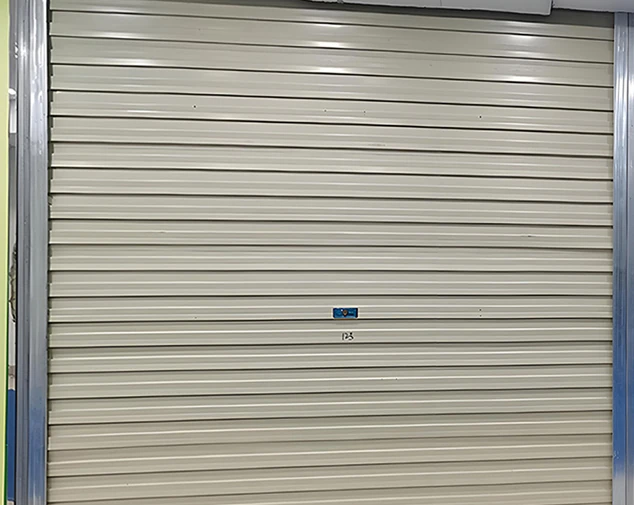
Das Lärmproblem tritt meist erst auf, wenn alle anderen still sind. Ein Ladenbesitzer zieht zum Ladenschluss den Rollladen herunter, der Vorhang klappert an den Schienen, und der Schall dringt in die darüberliegenden Räume. In einem Hotel, einer Klinik, einem Wohnhaus oder einem Büroeingang kann diese eine Metalltür den Eindruck erwecken, das gesamte Gebäude sei schlecht geplant.
Ein leises Rolltor ist keine magische, geräuschlose Wand. Es ist ein Tor, das so konstruiert ist, dass die normalen Geräusche beim Öffnen und Schließen minimiert werden: kein lautes Knallen am Anschlag, kein Klappern loser Lamellen, kein Anlaufen des Motors, das die Leute an der Rezeption aufhorchen lässt. Sobald man „leise“ so definiert hat, kann man tatsächliche Merkmale vergleichen, anstatt vagen Versprechungen zu vertrauen.
Für GUDESEN beginnt der Vergleich mit zwei nützlichen Modellen. Manuelle Silent Roller Shutter Tür Es verfügt über einen farbigen Stahlvorhang, eine Diebstahlsicherung, einen geräuscharmen Betrieb und einen manuellen Antrieb. Aluminium-Legierung Rolle Shutter Tür Das System verfügt über einen Vorhang aus Aluminiumlegierung, eine Diebstahlsicherung, einen geräuscharmen Betrieb und einen stabilen Motorlauf. Das eine System eignet sich für Anwendungen mit niedriger Frequenz und geringem Geräuschpegel. Das andere System ist für Orte geeignet, an denen eine Automatisierung erforderlich ist, ohne dass der Ein- und Ausstieg abrupt oder ruckartig wirkt.
Woher kommt das Geräusch von Rollläden?
Beginnen Sie nicht mit Dezibelmessungen, ohne vorher das Geräusch des Rollladens gehört zu haben. Das Geräusch eines Rollladens entsteht in mehreren Schritten: beim ersten Öffnen oder Anlaufen des Motors, beim Gleiten des Rollladens durch die Führungen, beim Aneinanderstoßen der Lamellen und schließlich beim Stillstand am Boden. Beschwerden von Mietern oder Gästen beziehen sich meist auf einen dieser Momente, nicht auf den gesamten Zyklus.
Interaktionen zwischen Motor und Lamellen bei jedem Öffnungs- und Schließvorgang
Bei jedem Zyklus fährt der Vorhang denselben Weg. Die Achse dreht sich, die Lamellen gleiten durch die seitlichen Führungen, und die Unterkante rastet ein. Bei einem automatischen Modell trägt der Motor zusätzlich zum Geräuschpegel bei. Das ist an sich kein Mangel. Problematisch ist die ruckartige Bewegung: eine Führung, die den Vorhang klappern lässt, ein Vorhang, der sich für den Antrieb zu schwer anfühlt, oder ein Stopp, der mit einem Knall statt kontrolliert abschließt.
Deshalb können sich zwei Türen mit ähnlichen Fotos im Gebäude unterschiedlich anfühlen. Material, Führungsverhalten, Antriebsart und Montage treffen beim Öffnen aufeinander. Eine geräuscharme Spezifikation sollte diese Komponenten klar benennen. Wenn der Lieferant lediglich angibt, die Tür sei „leise“, aber weder das Türblattmaterial noch das Antriebssystem oder die Geräuschdämpfungsfunktion nennen kann, tappt das Montageteam im Dunkeln.
Betriebsgeräusch versus plötzliches Klappern
Die meisten Menschen können ein gleichmäßiges Betriebsgeräusch tolerieren. Was sie stört, sind unerwartete Geräusche: ein metallisches Klappern mitten in der Nacht, ein rasselnder Vorhang, als ob etwas lose wäre, oder ein Motor, der plötzlich neben dem Wartezimmer einer Arztpraxis anspringt. Wenn Sie Wohnungen über einem Geschäft, Gästezimmer hinter einer Lobby oder Büros neben einem Nebeneingang suchen, achten Sie daher besonders auf die Geräuschempfindlichkeit. Gleichmäßiges Rauschen ist erträglich. Lärm hingegen bleibt in Erinnerung.
Wenn sich in Ihrem Gebäude über dem Geschäft Schlafräume befinden oder Patienten in der Nähe des Eingangs ruhen, sind es die plötzlichen, klappernden Geräusche, die den Menschen am nächsten Morgen in Erinnerung bleiben. Eine Tür, die sich gleichmäßig und kontrolliert bewegt, ist angenehmer zu ertragen als eine, die den Raum überrascht.
Was „leise“ in Ihrer Spezifikation bedeuten sollte
Sobald die Anforderungen an das Gebäude klar sind, wird die Geräuscharmut anhand einiger Kriterien überprüft. Das Modell sollte laut Beschreibung geräuschlos arbeiten. Der Antrieb sollte der Anzahl der Türbewegungen entsprechen. Das Vorhangmaterial sollte für die Öffnung geeignet sein und nicht nur dem Produktfoto entsprechen. Diese Überprüfungen sorgen für eine praxisorientierte Lösung.
Geräuschloser Betrieb als erklärtes Produktmerkmal
Die Manuelle Silent Roller Shutter Tür Wenn sich die Tür nur wenige Male am Tag bewegt, ist dies der ideale Ausgangspunkt. GUDESEN stattet sie mit einem farbigen Stahlpanzer, einer Diebstahlsicherung, einem geräuscharmen Betrieb und manuellem Antrieb aus. Die farbige Stahloberfläche ist leicht, glänzend, einfach zu montieren, dekorativ, pflegeleicht und einfach abzuwischen. Diese scheinbar einfachen Details sind wichtig, denn eine geräuscharme Tür muss nach der Installation auch optisch ansprechend sein und ihren Zweck weiterhin erfüllen.
Die manuelle Bedienung verändert auch den Klangcharakter. Es gibt keinen Motor, der zur ungünstigsten Zeit anläuft, und die Person, die die Tür schließt, kann das Tempo bestimmen. Für ein kleines Geschäft im Untergeschoss kann diese Kontrolle wichtiger sein als bloße Bequemlichkeit. Der Besitzer betätigt den Rollladen vielleicht nur zweimal täglich, aber diese beiden Momente fallen genau dann, wenn das Gebäude am empfindlichsten ist.
Manueller Antrieb für intermittierenden, geräuschsensiblen Einsatz
Die manuelle Bedienung ist keine Universallösung. Da sie die manuelle Steuerung des Rolltors erfordert, eignet sie sich eher für gelegentlichen Gebrauch als für kontinuierlichen Warenverkehr. Wenn Mitarbeiter alle paar Minuten Waren durch die Öffnung transportieren, werden sie ein manuell betriebenes Rolltor früher oder später offen lassen, es zu schnell schließen oder sich über die zusätzliche Arbeit beschweren. In diesem Fall ist eine Automatisierung die beste Lösung.
Die einfachste Regel lautet: Verwenden Sie den manuellen, geräuschlosen Betrieb, wenn die Tür hauptsächlich einmal geöffnet, den Raum gesichert und wieder geschlossen werden soll. Wechseln Sie zum Automatikbetrieb, wenn der manuelle Betrieb aufgrund des hohen Verkehrsaufkommens unpraktisch ist. So orientiert sich die Entscheidung bezüglich des Geräuschpegels am tatsächlichen Nutzungsverhalten und nicht an einer Empfehlung aus einer Broschüre.
Anpassung der Tür an die Lärmempfindlichkeit des Gebäudes
Erstellen Sie nun eine Karte des Gebäudes. Notieren Sie, wann sich die Tür bewegt, wer sich in der Nähe befindet und welches Geräusch Anlass zu einer Beschwerde geben würde. Wählen Sie die Tür zur ungünstigsten Stunde, nicht zur durchschnittlichen.
Geschäfte mit Wohnungen darüber, Hotels und Kliniken
Ein Ladenlokal mit darüberliegenden Wohnungen ist ein typisches Beispiel. Der Rollladen bewegt sich, wenn die Bewohner wahrscheinlich schlafen, und der Schallweg ist kurz. Ein manueller, geräuscharmer Rollladen ermöglicht dem Bediener eine präzisere Schließung und eliminiert Motorgeräusche. Die Diebstahlsicherung schützt weiterhin das Geschäft, und der farbige Stahlvorhang sorgt für eine praktische Nutzung im Schaufensteralltag.
Hotels und Kliniken haben zwar einen anderen Rhythmus, aber dieselbe Sensibilität. Der Eingang eines Hotels kann sich öffnen, während Gäste in der Lobby warten. Das Rolltor einer Klinik befindet sich möglicherweise in unmittelbarer Nähe von Empfangsbereich, Behandlungszimmer oder Wartezimmer. An solchen Orten ist störender Lärm nicht nur die Lautstärke. Es ist das Gefühl, dass der Gebäudeablauf unterbrochen wird. Ein gleichmäßiges, gedämpftes Schließen wirkt professionell; ein plötzliches, metallisches Geräusch hingegen nachlässig.
Diese Orte decken auch mangelhafte Installationspraktiken auf. Eine Tür, die in einem Lagerhaus akzeptabel erscheint, kann sich in einem Hotel unangenehm anfühlen, da Wand, Decke und Flur den Schall unterschiedlich leiten. Produkt und Beschlag müssen optimal aufeinander abgestimmt sein.
Wann eine automatische Aluminiumtür noch passt
Automatisierung ist für viele Öffnungen nach wie vor die richtige Wahl. Breite Türen, Mitarbeitersicherheit, Lieferungen und häufiger Zugang können die manuelle Bedienung ungeeignet machen. In diesem Fall beginnen Sie mit der Tür aus Aluminiumlegierung Anstatt anzunehmen, dass jeder motorisierte Rollladen laut ist, bietet dieses Modell eine Kombination aus einem Rollladen aus Aluminiumlegierung, Diebstahlsicherung, geräuscharmem Betrieb und einem stabilen Motorlauf – die ideale Lösung, wenn Komfort ohne Lärm gewünscht ist.
Die Verwendung einer Aluminiumlegierung ist vorteilhaft, da der Rolltorbehang leichter ist und ein stabiler Motorlauf für eine gleichmäßige Bewegung sorgt. Die Aluminium-Rolltore von GUDESEN zeichnen sich zudem durch schalldämmende Dichtungsstreifen, Dichtungselemente und wasserdichte Dichtungsstreifen an den Führungsschienen aus. Diese Details entscheiden darüber, ob das Tor reibungslos funktioniert oder nach täglichem Gebrauch Geräusche von sich gibt.
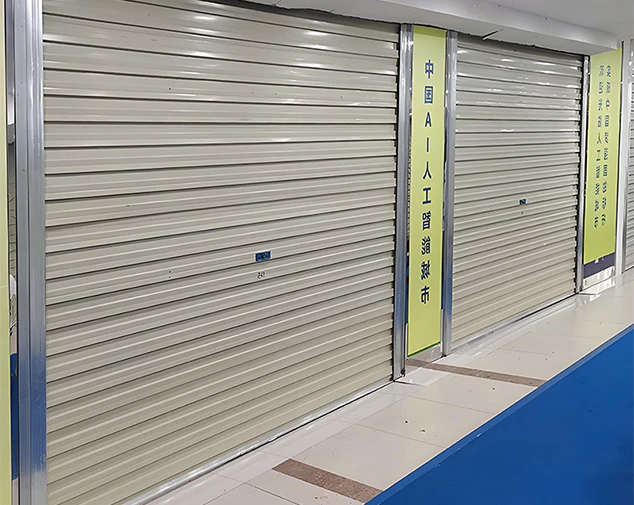
Wenn eine Automatisierung erforderlich ist, vergleichen Sie automatische Modelle mit denselben Kriterien, die Sie auch für manuelle Tore anwenden würden. Fragen Sie nach dem Rollladenmaterial, dem Antriebssystem, der Geräuscharmut und dem erwarteten Nutzungsverhalten. Ein geräuscharmes Rolltor sollte nicht nur mit vagen Adjektiven beworben werden. Es sollten Ihnen konkrete Details genannt werden, die Sie mit dem Monteur besprechen können.
Was Sie vor dem Kauf prüfen sollten
Bevor Sie kaufen, sollten Sie die Angaben vor Ort in ein Angebotsgespräch umwandeln. Bestätigen Sie die Öffnungsgeometrie, den Zustand der Wand, die Belastung des Vorhangs, die Antriebsart, die zu erwartenden Zyklen, die Steuerungsmethode, die Umgebungsbedingungen und den nächstgelegenen geräuschempfindlichen Raum.
|
Käuferprüfung |
Manuelle Silent Roller Shutter Tür |
Aluminium-Legierung Rolle Shutter Tür |
|
Tägliche Bewegung |
Am besten geeignet für Öffnungen, die mehrmals täglich genutzt werden, insbesondere zu sensiblen Zeiten. |
Besser geeignet, wenn Verkehrsaufkommen, Mitarbeitersicherheit oder die Öffnungsbreite eine Automatisierung erforderlich machen. |
|
Geprüfte Produktinformationen |
Farbstahlvorhang, Diebstahlsicherung, geräuscharmer Betrieb, manueller Antrieb. |
Vorhang aus Aluminiumlegierung, Diebstahlsicherung, geräuscharmer Betrieb, stabiler Motorlauf. |
|
Details zur Angebotsanfrage |
Teilen Sie die Geometrie der Öffnung, den Zustand der Wände, die Schließzeit, nahegelegene Räume, den Zugang für den Bediener und die Umgebung mit. |
Teilen Sie die Öffnungsgeometrie, die Tageszyklen, den Lastzustand, den Leistungs-/Steuerungsbedarf, die Führungsbedingungen und die Umgebungsbedingungen mit. |
|
Hauptkompromisse |
Die Geräuschsteuerung hängt vom Bediener und vom Nutzungsmuster ab. |
Der Komfort hängt von einem stabilen Fahrverhalten und einer sorgfältigen Installation ab. |
Vorhangmaterial, Antriebssystem und Zubehör
GUDESENs Rolltor-Sortiment Käufer können so verschiedene Ausführungen vergleichen: Aluminiumlegierung, farbbeschichteter Stahl, Edelstahl, Kristallglas und manuell geräuscharme Türen. Für lärmempfindliche Gebäude bieten sich manuell geräuscharme Türen aus farbbeschichtetem Stahl und automatische Türen aus Aluminiumlegierung als erste Wahl an. Farbbeschichteter Stahl eignet sich für manuelle Türen, die sich zu vorhersehbaren Zeiten öffnen und schließen. Aluminiumlegierungen sind ideal für automatische Türen, da das geringere Gewicht des Türblatts und der stabile Motorlauf zur Geräuschreduzierung im Alltag beitragen.
Zubehör und Montagehinweise sollten nicht außer Acht gelassen werden. Führungen, Endanschläge, Dichtungsstreifen und die Art des Bodenkontakts des Vorhangs beeinflussen die Geräuschentwicklung. Bei motorisierten Systemen prüfen Sie, ob eine elektrische Fernbedienung, eine manuelle oder eine kombinierte manuelle/elektrische Bedienung die bessere Lösung darstellt.
Installationsgewohnheiten, die einen leisen Betrieb gewährleisten
Ein leises Produkt kann laut werden, wenn die Installation überhastet erfolgt. Falsch ausgerichtete Führungsschienen lassen den Vorhang klappern. Lose Befestigungspunkte übertragen Vibrationen auf die Wand. Ein ungenauer Anschlag sorgt dafür, dass die letzte Sekunde des Schließvorgangs lauter ist als der Rest. Fragen Sie nach, wer die Tür montiert, wer die Öffnung nach der Installation überprüft und wer den Kundendienst übernimmt, falls sich die Geräuschentwicklung später ändert.
Hier kommt ein Komplettanbieter ins Spiel. GUDESEN deckt Design, Produktion, Vertrieb, Montage und Kundendienst ab, sodass Sie vor dem Kauf die Tür von einem einzigen Unternehmen besprechen und auch dann reagieren können, wenn Monate später ein Klappern auftritt. Bitte senden Sie vor der Bestellung Informationen zur Gebäudenutzung, Öffnungsgröße, täglichen Nutzungszyklen und dem nächstgelegenen geräuschempfindlichen Raum an GUDESEN. GUDESEN-TeamJe genauer die Angaben auf der Website sind, desto weniger muss man sich auf eine allgemeine, unauffällige Behauptung verlassen.
Schlussfolgerung
Für lärmempfindliche Gebäude empfiehlt sich eine Tür, die während der Nutzungszeiten möglichst geräuscharm bleibt. Die manuelle, geräuscharme Rolltorvariante eignet sich, wenn der Eingang nur wenige Male täglich genutzt wird und eine manuelle Bedienung ausreicht. Die Aluminium-Rolltorvariante ist die richtige Wahl, wenn der Verkehrsfluss automatisiert werden soll, aber gleichzeitig eine geringe Geräuschentwicklung im Gebäude erforderlich ist. In beiden Fällen sollten Sie vor der Wandmontage die Geräuschdämpfung, das Material des Rolltors, den Antrieb, das Zubehör und den Installationsplan sorgfältig prüfen.
Häufig gestellte Fragen
Frage 1: Was macht ein Rolltor leise?
A1: Ein leises Rolltor steuert die gesamte Bewegung, nicht nur den Motor. Achten Sie auf eine gekennzeichnete Geräuscharmut, ein zum Öffnungsdurchmesser passendes Rolltormaterial, ein für den täglichen Gebrauch geeignetes Antriebssystem und eine sorgfältige Ausrichtung der Führungsschienen. Ziel ist eine gleichmäßige Bewegung ohne plötzliches Klappern.
Frage 2: Ist ein manuelles, geräuschloses Rolltor schwer zu bedienen?
A2: Bei einem passenden Nutzungsmuster sollte es kein Problem sein. Ein manueller Antrieb eignet sich für den gelegentlichen Gebrauch, beispielsweise in einem Geschäft, das morgens öffnet und abends schließt. Muss die Tür dutzende Male am Tag bewegt werden, ist ein automatisches Modell ratsam, anstatt das Personal den ganzen Tag mit der manuellen Bedienung des Rolltors zu belasten.
Frage 3: Kann ein automatisches Rolltor leise genug für ein Wohngebiet sein?
A3: Ja, wenn das automatische Modell eher aus Gründen der Geräuschreduzierung als nur des Komforts gewählt wird. Das Aluminiumlegierungsmodell von GUDESEN zeichnet sich durch einen leisen Betrieb und einen stabilen Motorlauf aus und ist daher eine bessere Wahl für Gebäude, in denen eine Automatisierung in der Nähe von Schlaf-, Arbeits- oder Ruheräumen erforderlich ist.