




Wie wählt man ein PVC-Schnelllauftor für Lebensmittel- und Reinraumwerkstätten aus?
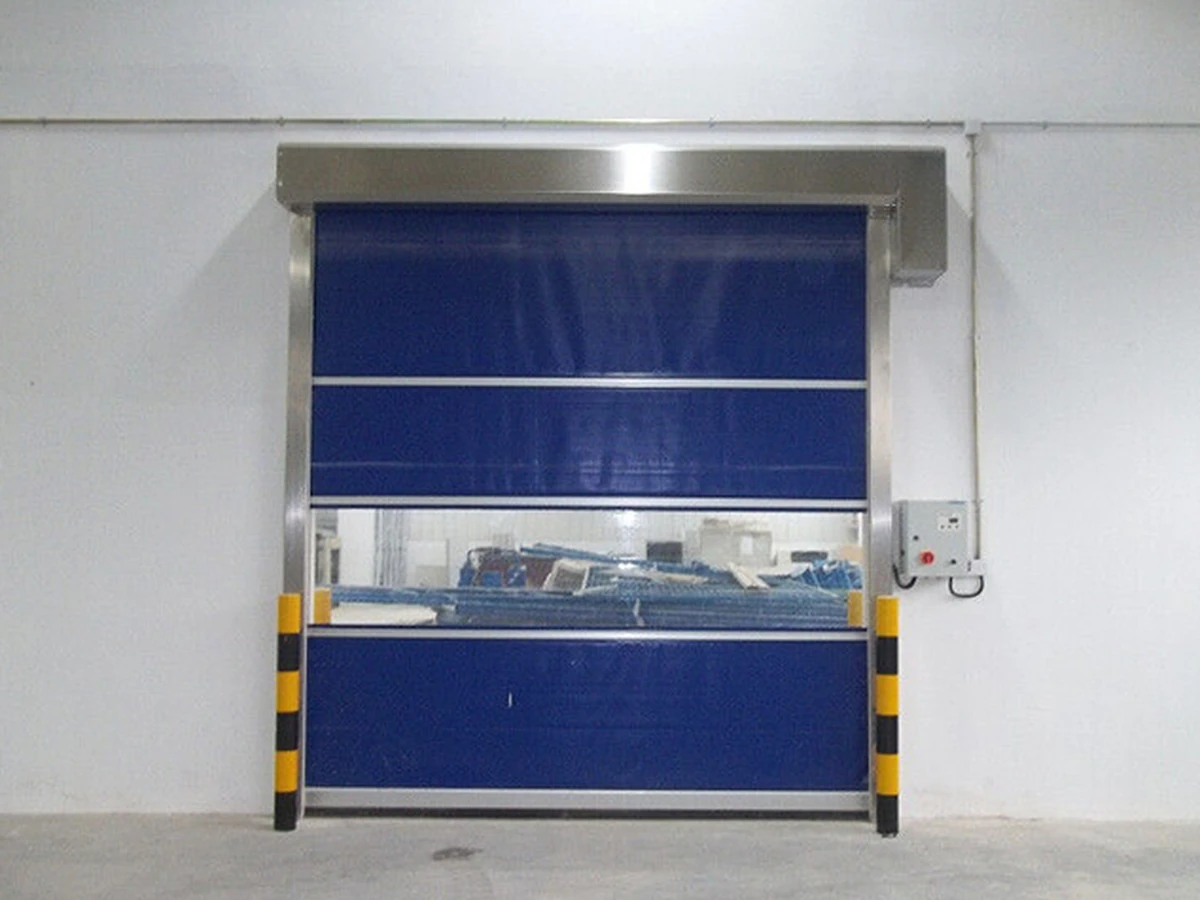
Eine PVC-Schnelllauftür für einen Lebensmittelbetrieb oder eine Reinraumwerkstatt sollte nicht allein anhand eines Produktfotos ausgewählt werden. Dieselbe Türöffnung kann für verschiedene Zwecke genutzt werden, z. B. für Personalbewegungen, den Transport von Zutaten, den Warentransport, die Zufahrt für Gabelstapler, die Temperaturtrennung, die Staubkontrolle oder die regelmäßige Reinigung. Wenn in der Angebotsanfrage lediglich von „Tor für Lebensmittelwerkstätten“ die Rede ist, versteht der Lieferant zwar möglicherweise die Produktkategorie, verkennt aber die Betriebsbedingungen, die die Konfiguration bestimmen.
Dieser Artikel behandelt PVC-Schnelllauftore als Projektbestandteil und nicht als allgemeines Vorteilsthema. Ziel ist es, Käufern zu helfen, vor der Anfrage klarere Standortinformationen zu sammeln. GUDESEN oder einen anderen Lieferanten für eine Empfehlung. Eine gute Dokumentation sollte aufzeigen, welche Teile die Tür trennen soll, wer sie benutzen wird, wie oft sie geöffnet wird, welchem Reinigungsplan sie unterliegt und welche Sicherheitsvorrichtungen vorhanden sein müssen.
In konkreten Angebotsanfragen sind die wichtigsten Bestätigungsvariablen: Öffnungstoleranz, Vorhangformat, Fenstergeometrie, Fahrzeugbeladung, Spitzenzyklusfrequenz, Anforderungen an Reinigungstests, Details der Montagezeichnung, Umgebungsbedingungen (Luftfeuchtigkeit und Temperatur) sowie die Frage, ob ein Funktionstest vor dem Versand oder eine Checkliste für die Abnahme vor Ort erforderlich ist. Diese Details machen die Antwort des Lieferanten aussagekräftiger als eine allgemeine Produktempfehlung.
Für Käufer, die einen Vergleich anstellen PVC Hochgeschwindigkeits Tür Bei anderen Türen für Sicherheitsbereiche ist die wichtigste Frage nicht: „Ist diese Tür schnell?“ Die bessere Frage lautet: „Was muss bestätigt werden, damit diese spezielle Öffnung korrekt angeboten, hergestellt, installiert und gewartet werden kann?“
Was sollte die Angebotsanfrage vor der Modellauswahl definieren?
Vor der Modellauswahl sollte die Angebotsanfrage die Funktion der Öffnung definieren. Verpackungsdurchgänge, Rohstoffübergabestellen, Fertigwarenausgänge, Reinraumkorridore und Kühlkettenübergänge haben unterschiedliche Anforderungen. Sie können zwar alle Schnelllauftore verwenden, benötigen aber möglicherweise unterschiedliche Rolltore, Führungssysteme, Öffnungslogiken, Bedienpositionen und Wartungszugänge.
Beginnen Sie mit dem Prozess, nicht mit dem Katalognamen.
Der Käufer sollte beschreiben, welche Fahrzeuge während einer normalen Schicht die Öffnung passieren. Durchgänge, die nur für Personal zugänglich sind, benötigen möglicherweise eine einfache Aktivierung und leichte Reinigung. Für Transportwagenwege ist eventuell ein besserer Seitenschutz und eine bessere Sicht erforderlich. Für Gabelstaplerwege sind möglicherweise eine größere Öffnung, Warnleuchten, Radar- oder Induktionsschleifenaktivierung sowie eine Sicherheitsplanung unter Berücksichtigung des Annäherungsabstands der Fahrzeuge notwendig.
Feste Fakten von Präferenzen trennen
Öffnungsbreite, Öffnungshöhe, Wandmaterial, Spannung, Luftfeuchtigkeit, Temperaturdifferenz und Verkehrsart sind feste Gegebenheiten. Vorhangfarbe, Fensterposition, bevorzugte Bedienung und Zubehör sind hingegen projektbezogene Präferenzen. Die Trennung dieser beiden Gruppen ermöglicht es dem Lieferanten, eine Tür zu empfehlen, ohne die baulichen Gegebenheiten mit optionalen Details zu verwechseln.
Welche Standortdetails helfen dem Lieferanten, ein genaues Angebot zu erstellen?
Eine aussagekräftige Anfrage für eine Tür in einer Lebensmittelwerkstatt sollte Fotos und Maße sowie eine kurze Beschreibung enthalten. Der Lieferant benötigt Informationen zur gesamten Öffnung, zum Nebenraum, zum Sturzraum, zum Bodenbelag, zur Deckenfläche, zu nahegelegenen Geräten, zum Abfluss oder Reinigungsbereich sowie zum voraussichtlichen Fahrweg von Wagen oder Gabelstaplern. Bei Betrieben mit strengeren Hygienevorschriften kann der Käufer auch eine Reinraumtür heranziehen, um festzustellen, ob die Öffnung zu einem größeren Reinraumsystem gehört.
Die Fotos sollten die gesamte Eröffnung zeigen.
Ein Foto der Türöffnung aus nächster Nähe reicht nicht aus. Machen Sie ein Foto von vorn, je eines von jeder Seite, eines, das den Decken- oder Sturzbereich zeigt, und eines, das den von Arbeitern oder Fahrzeugen genutzten Weg zeigt. Diese Fotos helfen zu überprüfen, ob Motor, Schaltschrank, Führungsschienen und Sicherheitssensoren so platziert werden können, dass der tägliche Betrieb nicht behindert wird.
Die Maße sollten der Installationsrealität entsprechen
Die Projektdokumentation sollte Angaben zur lichten Öffnungsbreite, lichten Öffnungshöhe, verfügbaren seitlichen und oberen Raumfläche, Geschosshöhe, Wandstärke und Position der Stromversorgung enthalten. Ist die Werkstatt bereits in Betrieb, sollte der Käufer außerdem vermerken, ob die Installation während eines Stillstandsfensters, eines Wartungswochenendes oder eines laufenden Produktionstages erfolgen muss.
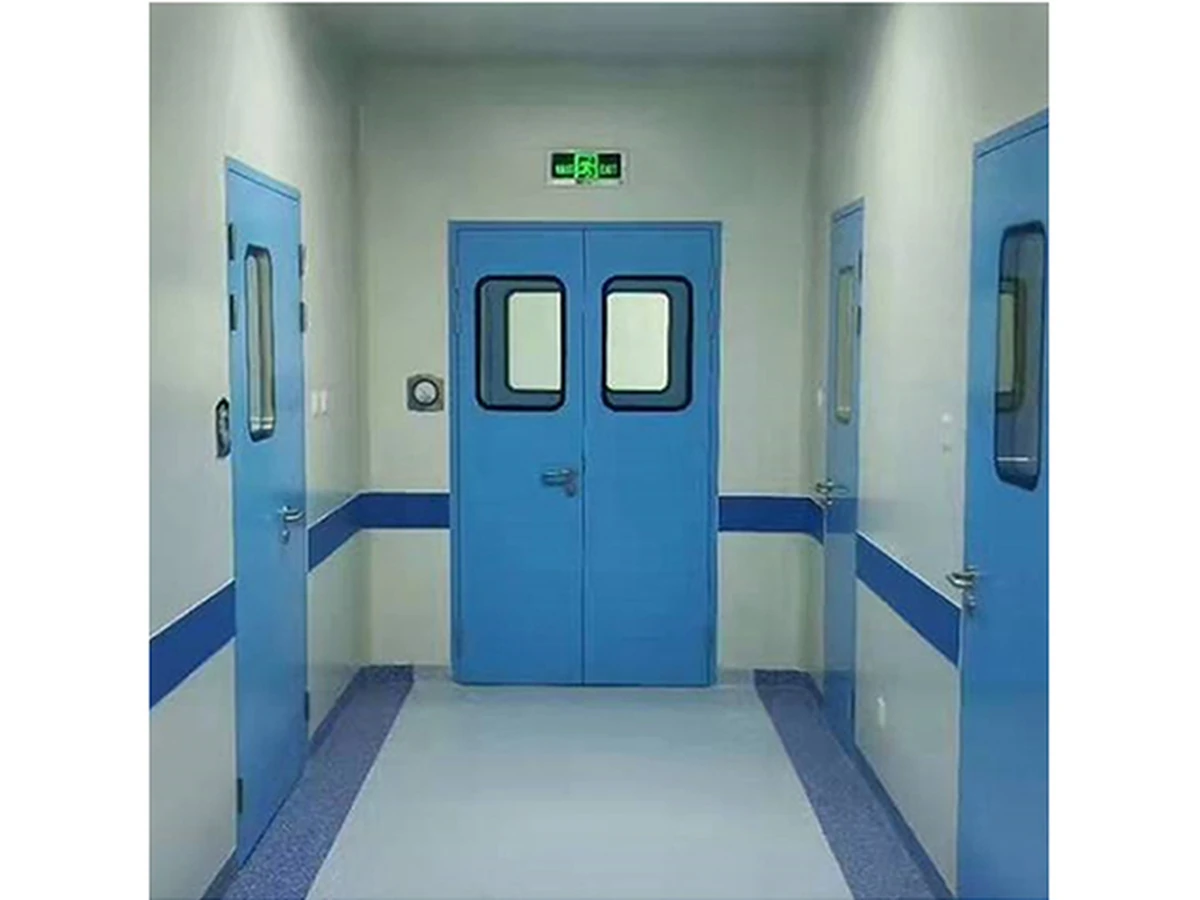
Wie sollten die Bedingungen für eine saubere Werkstatt formuliert werden?
Projekte im Bereich Lebensmittel- und Reinraumfertigung scheitern oft an der Formulierung. Auftraggeber verwenden Begriffe wie „staubdicht“, „sauber“ oder „hygienisch“, doch diese können je nach Einsatzort unterschiedliche Bedeutungen haben. Eine präzisere Angebotsanfrage (RFQ) beschreibt die tatsächlichen Anforderungen: trockener Staub, fliegende Insekten, Verpackungsreste, Druckunterschiede, Temperaturverluste, Reinigung mit Wasser, chemische Desinfektion oder die Trennung von Produktbereichen.
Die Reinigungsroutine ändert die Türspezifikation
Wird der Bereich mit feuchten Tüchern abgewischt, reicht eine normale Reinigung der Türkonstruktion aus. Bei Kontakt mit Wassernebel, hoher Luftfeuchtigkeit oder chemischer Reinigung sollte der Lieferant das Vorhangmaterial, die Führungskomponenten, den Motorschutz, die Position des Steuerkastens und korrosionsgefährdete Bereiche überprüfen. Diese Details sind vor Angebotsannahme schriftlich festzuhalten.
Die Auswahl von Vorhängen und Fenstern sollte dem Arbeitsablauf folgen.
Transparente Fenster ermöglichen es Mitarbeitern und Fahrern, den Verkehr auf der anderen Seite einzusehen. In manchen Bereichen sind jedoch farbige Vorhänge zur Zonentrennung vorzuziehen. Der Käufer sollte entscheiden, ob Sichtbarkeit, Privatsphäre, Lichtregulierung oder Hygienezonen wichtiger sind. Vorhangstärke, Fensterhöhe, Unterkante und Führungskonstruktion sollten gemeinsam und nicht als separate Zubehörteile betrachtet werden.
Welche Steuerungs- und Sicherheitseinrichtungen sollten überprüft werden?
Die Aktivierungsmethode ist ein Detail, das leicht unterschätzt wird. Eine Tür kann zwar die richtige Größe haben, aber dennoch unpraktisch sein, wenn die Steuerungslogik nicht zur Nutzergruppe passt. Drucktaster, Zugschnüre, Radarsensoren, Fernbedienungen, Zutrittskontrollsysteme und Induktionsschleifen eignen sich für unterschiedliche Bewegungsmuster. Die Kategorie der Schnelllauftore bietet Käufern die Möglichkeit, die verschiedenen Steuerungspakete je nach Anwendungsfall zu vergleichen.
Die Aktivierung sollte dem Verkehrsverhalten entsprechen
Ein Personalkorridor kann mit Tasten oder Handsensoren ausgestattet sein. Für eine Gabelstaplerroute sind möglicherweise Radar, Induktionsschleifen oder andere fahrzeugspezifische Auslöser erforderlich. Ein gemischt genutzter Durchgang kann auf jeder Seite unterschiedliche Aktivierungsmethoden benötigen. Käufer sollten festlegen, wer sich der Tür nähert, aus welcher Richtung, mit welcher Geschwindigkeit und ob die Tür vollständig oder nur bis zu einer praktikablen Höhe geöffnet werden soll.
Sicherheitslayout sollte gezeichnet, nicht angenommen werden.
Die Angebotsanfrage sollte die geplante Position von Lichtschranken, Sicherheitsleisten, Warnleuchten, Not-Aus-Schaltern und manueller Bedienungsmöglichkeit spezifizieren. Sicherheitseinrichtungen bestehen nicht nur aus einer Teileliste; sie müssen auf den Verkehrsweg, die Öffnungsbreite, die Sichtverhältnisse und die Gewohnheiten von Mitarbeitern oder Fahrern abgestimmt sein. Eine einfache Anordnung beugt Missverständnissen vor Produktionsbeginn vor.
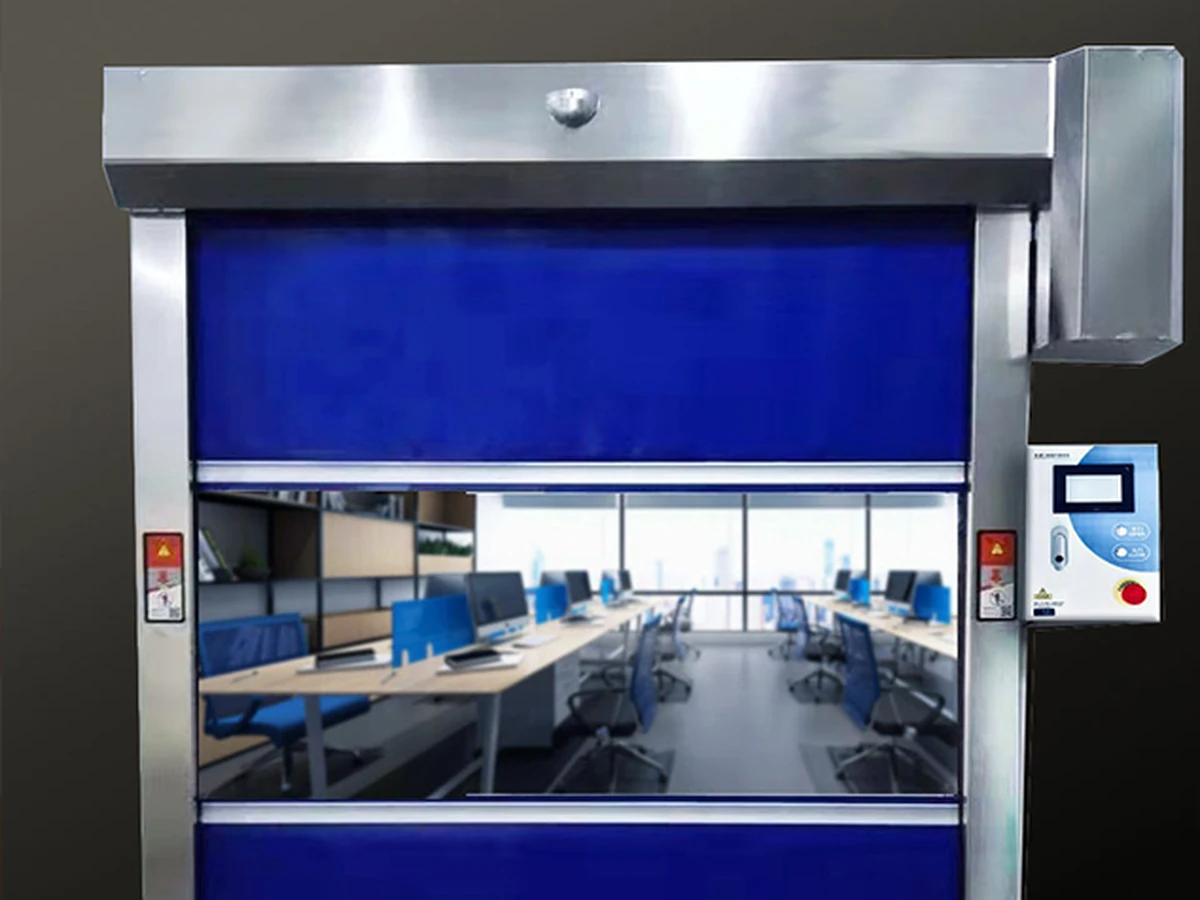
Wann sollten Käufer eine Reparatur oder eine stärkere Abdichtung in Betracht ziehen?
Einige Öffnungen von Lebensmittel- und Reinraumwerkstätten werden hauptsächlich von Fußgängern frequentiert. Andere sind dem Kontakt mit Transportwagen, Hubwagen oder Gabelstaplern ausgesetzt. Wenn leichte Stöße ein realistisches Risiko darstellen, sollten Käufer prüfen, ob ein selbstaufrichtendes Schnellverschlusstor besser geeignet ist als ein Standard-PVC-Tor. Die Wiederherstellungsfunktionen sollten mit ihren Grenzen beschrieben werden: die zu erwartende Stoßart, die Führungsstruktur, die Rückstellmethode und wann eine manuelle Überprüfung weiterhin erforderlich ist.
Behandeln Sie die Selbstwiederherstellung nicht als unbegrenzten Kollisionsschutz.
Die Selbstheilungsfunktion trägt dazu bei, Ausfallzeiten bei einer Verschiebung des Rolltors unter geeigneten Bedingungen zu reduzieren. Sie ersetzt jedoch nicht die Notwendigkeit von sicherem Fahren, Warnsignalen, Sensorplanung und regelmäßiger Inspektion. Käufer sollten den Lieferanten fragen, welche Belastungsstufen das Tor aushält und welche Schäden weiterhin eine Wartung erfordern.
Reißverschlussführung könnte zu stärkeren Dichtungsdiskussionen passen
Wenn die Öffnung eine umfassendere Vorhangführung oder eine stärkere Abdichtung erfordert, können Käufer bereits in der Spezifikationsphase ein Schnelllauftor mit Reißverschluss in Betracht ziehen. Dieser Vergleich sollte sich auf die Gegebenheiten vor Ort konzentrieren: Luftzirkulation, Druckunterschiede, Reinigungsabläufe, Fahrzeugroute und ob die Öffnung nach leichter Berührung ein Rückstellverhalten benötigt.
Was sollte vor der Genehmigung geprüft werden?
Vor der Auftragsfreigabe sollte der Käufer die Türzeichnung, die Öffnungsgröße, die Einbaurichtung, die Motorposition, den Standort des Steuergeräts, die Sensoranordnung, die Vorhangfarbe, die Fensterposition, die Unterkante, die Notbetätigung und den Ersatzteilplan prüfen. Für Lebensmittel- oder Reinraumwerkstätten ist dieser Freigabeschritt oft wichtiger als die Ergänzung des Angebots um weitere Produktbeschreibungen.
Die Genehmigungsakte sollte leicht zu prüfen sein.
Führen Sie eine Projektakte mit der finalen Zeichnung, Produktreferenz, Fotos vom Einsatzort, der gewählten Kontrollmethode, der Liste der Sicherheitseinrichtungen, Reinigungshinweisen, Verpackungsdetails und der Verantwortlichkeit für die Installation. Sind mehrere Abteilungen beteiligt, kennzeichnen Sie, welche Details von Produktion, Instandhaltung, Sicherheit, Einkauf und dem Lieferanten bestätigt wurden.
Die Fragen an den Lieferanten sollten präzise sein.
Statt zu fragen, ob die Tür für eine Lebensmittelwerkstatt geeignet ist, sollte man fragen, ob die vorgeschlagene Konfiguration zu Öffnungsgröße, Reinigungsablauf, Verkehrsaufkommen, Luftfeuchtigkeit, verfügbarem Seitenraum und Steuerungslogik passt. Käufer können GUDESEN Fotos und Projektnotizen zukommen lassen, damit die Empfehlung auf der realen Öffnung und nicht auf einem Standardkatalog basiert.
Bei Projekten, deren Öffnung einem strengeren Kontrollbereichssystem angehört, können Käufer die folgenden vergleichen: Reinraum Tür Seite vor der endgültigen Genehmigung. Wenn die Standortdaten, Zeichnungen und Steuerungsanforderungen bereit sind, verwenden Sie Kontaktieren Sie uns um die Details der Angebotsanfrage zur Konfigurationsprüfung zu senden.
Schlussfolgerung
Die Auswahl eines PVC-Schnelllauftors für Lebensmittel- und Reinraumbereiche ist in erster Linie eine Frage der Projektbestätigung. Der Käufer sollte vor der endgültigen Modellauswahl die Öffnungsfunktion, die Abmessungen des Raumes, das Verkehrsaufkommen, die Reinigungsbedingungen, die Sicherheitsvorkehrungen und die erforderlichen Genehmigungsdokumente genau definieren. So lassen sich allgemeine Aussagen zu Geschwindigkeit oder Hygiene vermeiden und der Lieferant erhält alle notwendigen Informationen, um das Tor optimal an die tatsächlichen Gegebenheiten anzupassen.
Eine klare Angebotsanfrage schützt den Käufer auch nach der Installation. Wenn Türzeichnung, Steuerungsmethode, Sensoranordnung und Wartungszugang frühzeitig bestätigt werden, lassen sich Angebot, Genehmigung, Installation und Service des Projekts einfacher gestalten.
Häufig gestellte Fragen
Frage 1: Was sollten Käufer in eine Angebotsanfrage für PVC-Schnelllauftore aufnehmen?
A1: Bitte geben Sie die Öffnungsgröße, Fotos des Geländes, die Verkehrsart, den Reinigungsablauf, die Kontrollanforderungen, Sicherheitsvorrichtungen und die Installationsgrenzen an.
Frage 2: Gibt es einen Unterschied zwischen der Tür einer Lebensmittelwerkstatt und der Tür einer Reinraumwerkstatt?
A2: Manchmal. Der Unterschied hängt von der Hygienetrennung, dem Reinigungsablauf, der Luftzirkulation, der Verkehrsart und den Genehmigungsanforderungen des Projekts ab.
Frage 3: Wann sollten Käufer nach der Selbstheilung fragen?
A3: Fragen Sie nach, wann Wagen, Hubwagen oder Gabelstapler während des täglichen Betriebs mit dem Vorhang in Berührung kommen könnten.