




Probleme mit Rolltoren im Gewerbebereich und wie man sie behebt
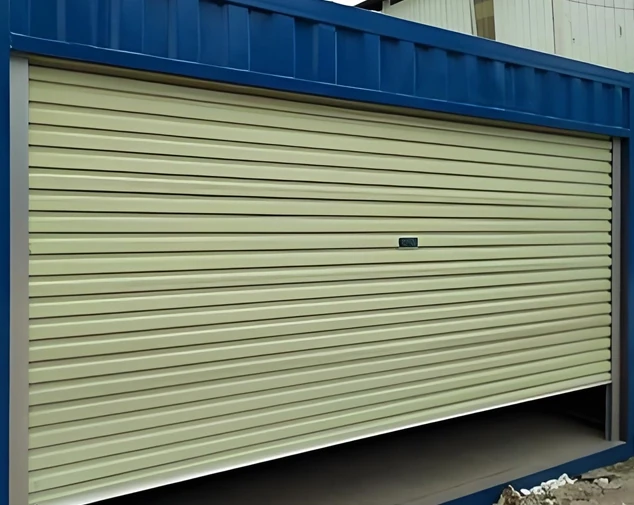
Ein Rolltor im Gewerbebereich fällt selten ohne Vorwarnung aus. Bediener bemerken möglicherweise, dass sich der Behang schwerer anfühlt, ungleichmäßig läuft, an einer Stelle schleift oder mit einer Lücke am Boden aufsetzt. Ein neu aufgetretenes Klappern mag im hektischen Arbeitsalltag unbedeutend erscheinen, kann aber auf einen Kontakt hinweisen, der sich bei jeder Bewegung des Tores verschlimmert. Der erste sinnvolle Schritt ist daher keine universelle Reparatur. Vielmehr sollte dokumentiert werden, wann das Problem auftritt, wo es am stärksten ist und ob es sich plötzlich oder allmählich verändert hat.
Dasselbe oberflächliche Symptom kann von verschiedenen Systemkomponenten verursacht werden. Ein Rolltor besteht aus Behang, Führungsschienen, Öffnungsmechanismus, Kontakt- und Dichtungsstellen, Profilen und Zubehör. Die Überprüfung dieser Bereiche nacheinander hilft, eine sichtbare Beeinträchtigung von einem Problem zu unterscheiden, das eine professionelle Reparatur erfordert. Sie zeigt auch, wann ein älteres Tor nicht mehr optimal zu Öffnung, Öffnungsfrequenz oder Geräuschpegel passt und daher wiederholte Reparaturen rechtfertigt.
Das Symptom zeigt, wo die Tür Widerstand leistet.
Beginnen Sie mit einer Tür in einer sicheren, stabilen Position und beobachten Sie einen vollständigen Öffnungs- und Schließvorgang nur dann, wenn sich die Tür ohne Kraftaufwand bewegen lässt. Tritt der Widerstand sofort, in einer reproduzierbaren Höhe oder nahe dem Boden auf? Ist er auf beiden Seiten gleich? Bleibt der Türvorhang waagerecht? Ein fester Punkt deutet auf eine lokale Schwachstelle hin. Widerstand über den größten Teil des Öffnungs- und Schließvorgangs weist auf eine umfassendere Änderung der manuellen Betätigungskraft hin. Ein erst nach dem Schließen sichtbarer Spalt deutet auf eine andere Fehlerursache hin.
Diese Fehleranalyse ist wichtig, da die Teile als System zusammenarbeiten. Der Vorhang gleitet durch die Führungen, der Öffnungsmechanismus steuert den Kraftaufwand, und die seitlichen und unteren Kontaktflächen beeinflussen die endgültige Schließposition. Jede Beanstandung als Schmierproblem zu behandeln, kann Fehlausrichtungen, beschädigte Kontaktflächen oder eine veränderte Balance einer manuellen Tür verschleiern. Das Entfernen eines sichtbaren losen Gegenstands kann sinnvoll sein; die Demontage einer Führungs- oder Federbaugruppe gehört jedoch nicht zu den routinemäßigen Aufgaben des Bedieners.
Widerstand entlang der Leitpfade
Wenn ein Rolltor aus Metall bei jedem Öffnungs- und Schließvorgang in derselben Höhe schleift, überprüfen Sie die sichtbaren Schleifspuren auf beiden Seiten. Achten Sie auf Verschmutzungen, Verpackungsmaterial, verbogene Kanten oder helle Abnutzungsspuren, die nur an einer Führungsschiene auftreten. Vergleichen Sie beide Seiten, anstatt sich auf die lautere zu konzentrieren. Schall kann durch ein Stahltor hindurchdringen, daher ist der Punkt, an dem Sie das Geräusch hören, nicht immer der Punkt, an dem der Kontakt beginnt.
Ziehen Sie den Vorhang nicht wiederholt über eine schwergängige Stelle, um zu prüfen, ob er durchkommt. Wiederholte Krafteinwirkung kann den Kontakt verstärken und die nächste Bewegung unvorhersehbarer machen. Wenn sich ein sichtbares, loses Hindernis entfernen lässt, ohne in den Mechanismus einzugreifen, beseitigen Sie es und beobachten Sie die Funktion erneut. Falls die Führung verschoben erscheint, der Vorhang schief hängt oder weiterhin Widerstand besteht, stellen Sie den Betrieb ein und veranlassen Sie eine Inspektion.
Änderungen der manuellen Betätigungskraft
Ein manuelles Rolltor hat keinen Motor, der eine Änderung des Kraftaufwands kaschieren könnte. Daher ist die Erfahrung des Bedieners wichtig: Ein Tor, das plötzlich deutlich mehr Kraft benötigt, hat sich verändert, selbst wenn der Behang noch ganz oben ist. Achten Sie darauf, ob die Zunahme in beide Richtungen und über den gesamten Öffnungs- und Schließvorgang auftritt. Kompensieren Sie den Kraftaufwand nicht, indem mehrere Personen stärker ziehen oder den Griff improvisiert verlängern.
Die Manuelle Stahlschalldichte Aufrolltür Es handelt sich um ein geprüftes, federbetriebenes Stahlmodell mit einer 6 mm starken Manganstahlfeder und manueller Bedienung, das keinen Strom benötigt. Daher sind die korrekte Federbalance, der einwandfreie Zustand der Führungen und die reibungslose Bewegung des Rolltors entscheidend für die einwandfreie Funktion. Da die Federkomponenten Energie speichern, sollte bei unerklärlichen Kraftänderungen ein qualifizierter Türtechniker hinzugezogen werden und nicht selbst eine Justierung vor Ort versucht werden.
Steife oder ungleichmäßige manuelle Bewegung
Schwergängigkeit und ungleichmäßiger Lauf sollten vom normalen Gewicht getrennt betrachtet werden. Prüfen Sie zunächst, ob die Öffnung frei ist und die Unterkante waagerecht beginnt. Achten Sie darauf, ob eine Seite die andere anführt, ob sich der Türvorhang beim Öffnen verschiebt oder ob sich der Winkel der Unterkante ändert. Diese Beobachtungen sind aussagekräftiger als die allgemeine Feststellung, dass sich die Tür schwer öffnen lässt.
Wenn das Beseitigen eines sichtbaren Hindernisses den reibungslosen Lauf wiederherstellt und der Rolltorvorhang waagerecht bleibt, sollte er weiterhin überwacht werden. Anhaltendes Verkanten, zunehmende Krafteinwirkung, ein abrupter Stopp oder eine Führung, die den Vorhang nicht mehr zuverlässig hält, erfordern eine Wartung. Beenden Sie die Wartung früher, wenn die Öffnung einen öffentlichen Bereich, Warenbestände oder einen häufig von Mitarbeitern genutzten Weg schützt. Ein Industrierolltor mag zwar robust sein, doch das Durchdrücken eines Stahlvorhangs durch unebene Führungen kann ein zunächst überschaubares Wartungsproblem zu Schäden an mehreren Komponenten führen.
Das geprüfte GUDESEN-Stahlmodell mit manueller Bedienung verwendet verzinkte Stahlführungsschienen und ineinandergreifende, verzinkte Stahllamellen mit Korrosionsschutzbeschichtung. Die Standardlamellenhöhe beträgt 80 mm, die Paneelstärken sind in 0,376, 0,4 und 0,6 mm erhältlich. Diese Angaben dienen der Produktauswahl und sind keine Hinweise zur Fehlerbehebung: Sie verdeutlichen, warum Behang und Führung als System aufeinander abgestimmt sein müssen und warum Teile oder Einstellungen nicht ohne Weiteres von einer anderen Tür übernommen werden sollten.
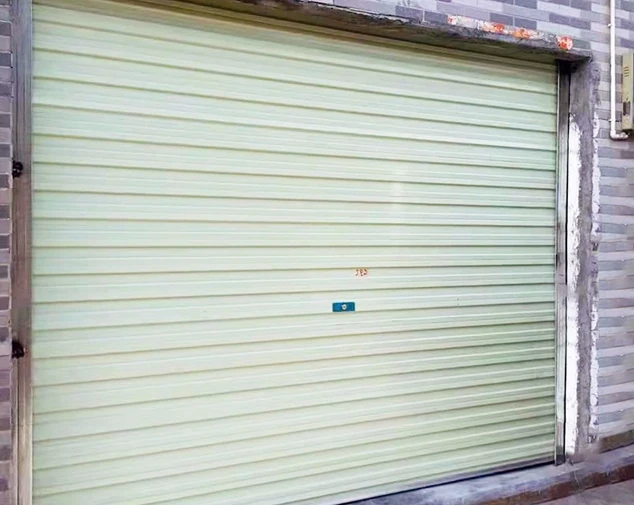
Klappern, Stöße und übermäßiger Betriebslärm
Geräusche werden zu nützlichen Beweismitteln, wenn sie präzise beschrieben werden. Ein kontinuierliches Schleifen deutet auf bewegliche Teile hin. Ein wiederholtes Klopfen in einer bestimmten Höhe lässt auf eine lokale Unterbrechung schließen. Ein loses Klappern über einen größeren Bereich des Weges kann auf Bewegungen hinweisen, die im gesamten Vorhang und den Führungsschienen beobachtet werden müssen. Notieren Sie, ob das Geräusch beim Öffnen, beim Schließen oder erst beim Erreichen der geschlossenen Position auftritt.
Ein Rolltor aus Stahl ist nicht geräuschlos, und der Begriff „schalldicht“ sollte nicht als Versprechen einer vollständigen Schalldämmung verstanden werden. Das aktuelle GUDESEN-Produkt ist auf leises bzw. geräuscharmes Öffnen und Schließen ausgelegt, wobei die Stahlkonstruktion dennoch eine stabile, ineinandergreifende Barriere bildet. Der tatsächliche Geräuschpegel hängt von der Passform des Tores, der Montage, den Kontaktbedingungen, der Öffnungskonstruktion und der Bedienung des Rolltors ab. Wenn ein zuvor leises Tor plötzlich laut wird, handelt es sich daher um eine Zustandsänderung und nicht um einen Grund, eine nicht geprüfte Universallösung anzuwenden.
Vorhang-, Führungs- und Dichtungskontakt
Achten Sie auf den Übergang zwischen Bewegungs- und Schließgeräusch. Berührungen während der Bewegung lenken die Aufmerksamkeit auf den sichtbaren Verlauf von Vorhang und Führungsschiene. Ein Geräusch, das erst im letzten Teil des Schließvorgangs auftritt, kann daher rühren, dass die Unterkante auf einen unebenen Boden trifft oder die seitlichen Verbindungsstellen in die geschlossene Position einrasten. Die zeitliche Abfolge verhindert, dass zwei unterschiedliche Probleme als ein einziges behandelt werden.
Das Know-how von GUDESEN trennt Führungen, Beschläge, Dichtungsbereiche, Öffnungssysteme, Profile und Zubehör als eigenständige Systembereiche. Diese Struktur ermöglicht eine gezielte Prüfung: Beobachten Sie die jeweilige Schnittstelle und dokumentieren Sie diese präzise. Gehen Sie jedoch nicht davon aus, dass dieses Modell ein bestimmtes Dichtungsmaterial verwendet, solange die Produktdokumentation dies nicht bestätigt. Diese Unterscheidung ist besonders wichtig beim Vergleich einer vorhandenen Tür mit den Spezifikationen einer Ersatztür.
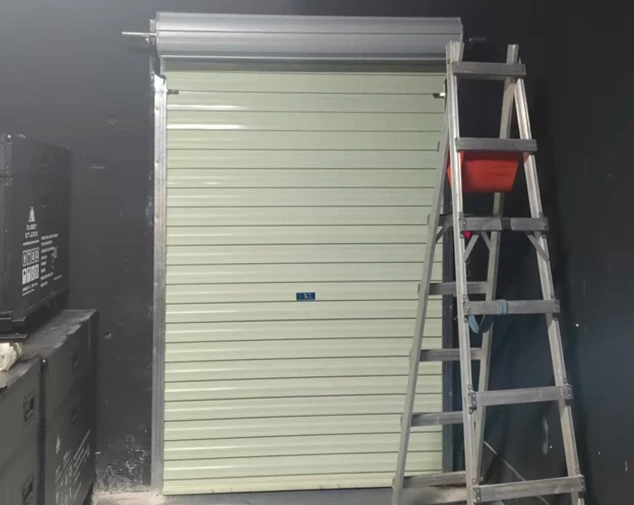
Spalten, Staub und schlechter Bodenkontakt
Ein Rolltor aus Metall kann bis zum Boden reichen und trotzdem nicht richtig schließen. Prüfen Sie die Auflagefläche unten und betrachten Sie dann die beiden Seitenkanten. Ein keilförmiger Spalt deutet oft auf ein ungleichmäßiges Verhältnis zwischen Rolltor und Öffnung hin. Ein durchgehender seitlicher Spalt gehört zur seitlichen Auflagefläche, während Staubmuster zeigen, wo Luft und Schmutz wiederholt hindurchströmen. Ein Foto des geschlossenen Tors von innen ist oft aussagekräftiger als die Beschreibung, dass es undicht sei.
Lokaler Verschleiß mag akzeptabel sein, doch eine unpassende Öffnung wird immer wieder auftreten. Das manuelle Stahlmodell kann exakt in der benötigten Breite und Höhe gefertigt und sowohl für Innen- als auch für Außenöffnungen, aufgesetzt oder eingebaut, montiert werden. Zu den Anwendungsbereichen zählen Einzelhandelsgeschäfte, Lagerhallen, Garagen, Werkstätten und Gewerbeeingänge. Dank dieser Optionen kann die Entscheidung für einen Austausch anhand der tatsächlichen Öffnung und nicht anhand einer angenommenen Standardgröße getroffen werden.
Prüfen Sie außerdem den Zustand des Bodens und den Platzbedarf für einen vertikalen Rollladen. Diese Türart spart den Schwenkbereich einer Drehtür, benötigt aber dennoch ausreichend Platz nach oben, Führungen und einen freien Lauf. Wenn sich der Boden verändert hat, der Rahmen verschoben wurde oder der vorhandene Rollladen nicht für die Öffnung dimensioniert war, reicht der Austausch eines kleinen Kontaktteils möglicherweise nicht aus, um einen zuverlässigen Verschluss wiederherzustellen.
Wann eine Reparatur oder ein Türaustausch die bessere Lösung ist
Wenn das Problem zwar lokal begrenzt erscheint, aber eine einfache Sichtprüfung nicht zulässt (z. B. anhaltender Kontakt mit der Führung, plötzlicher Kraftaufwand, ungleichmäßige Bewegung oder wiederholter Aufprall an derselben Stelle), ist eine Wartung der nächste sinnvolle Schritt. Geben Sie dem Techniker den Türtyp, die genaue Position des Problems, die Bewegungsrichtung und alle kürzlich erfolgten Veränderungen im Bereich der Öffnung an. Diese Informationen ermöglichen eine einfache Diagnose, ohne dass ungeschultes Personal die Tür demontieren muss.
Ein Austausch lohnt sich, wenn im gesamten System wiederholt Fehler auftreten, der Rollladen nicht mehr gerade läuft, Öffnung und Tor nicht zusammenpassen, Korrosion oder Beschädigungen umfangreich sind oder die erforderliche Geräusch- und Schließleistung nicht zuverlässig wiederhergestellt werden kann. Auch die Betriebshäufigkeit spielt eine Rolle. So können beispielsweise eine wenig genutzte Lageröffnung und ein Industrierolltor an einem stark frequentierten Geschäftseingang unterschiedliche Konstruktionen oder Öffnungsmethoden erfordern, selbst wenn die Abmessungen ähnlich sind.
Für eine Ersatzbewertung, GUDESEN Anhand der Öffnungsbreite und -höhe, der Einbauposition, der geschätzten täglichen Nutzungsdauer, der aktuellen Symptome, der benötigten Verriegelungsanordnung und der erwarteten Geräuschentwicklung kann die optimale Lösung gefunden werden. Das geprüfte, manuelle Stahlprodukt bietet ein Mittelschloss, fünf Standardfarben sowie optionale Farben, individuelle Größen, lackierten oder vorlackierten verzinkten Stahl und eine Lieferzeit von 7 bis 20 Werktagen bei einer Mindestbestellmenge von einem Set. Diese Details machen aus einer vagen Anfrage für ein Rolltor für den gewerblichen Bereich eine gezielte Beratung zur optimalen Produktanpassung.
Schlussfolgerung
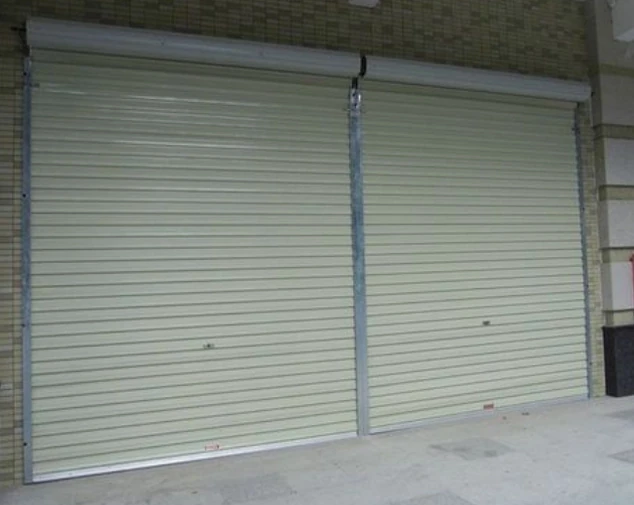
Probleme mit Rolltoren im Gewerbebereich lassen sich leichter beheben, wenn die Symptome einem bestimmten Stadium und Ort zugeordnet werden können. Sichtbare Ablagerungen und Kontaktstellen sind erste Anzeichen. Anhaltender Widerstand, Verkanten, eine deutliche Veränderung der manuellen Kraft oder wiederholte Stöße sollten den regulären Betrieb unterbrechen und eine professionelle Wartung erforderlich machen. Auch Spalten und langfristige Geräuschprobleme erfordern eine Überprüfung der Passgenauigkeit zwischen Öffnung und Tor, anstatt nur eine weitere lokale Reparatur durchzuführen.
Wenn ein Austausch in Betracht gezogen wird, geben Sie bitte die Öffnungsmaße, die Einbauposition, die bisherige Problembeschreibung, die tägliche Öffnungshäufigkeit, den Bedarf an einer Verriegelung und den akzeptablen Geräuschpegel an. Anhand dieser Informationen kann GUDESEN feststellen, ob die vorhandene Tür noch funktionsfähig ist oder ob eine besser passende, manuelle Stahltür die zuverlässigere Lösung darstellt.
Häufig gestellte Fragen
Frage 1: Warum lassen sich manuelle Rolltore im gewerblichen Bereich immer schwerer öffnen?
A1: Ein manuelles Rolltor kann sich schwerer öffnen lassen, wenn ein sichtbares Hindernis oder eine Berührung der Führungsschienen in einer bestimmten Höhe Widerstand erzeugt. Eine Änderung des Öffnungswegs kann durch den Rolltorbehang, die Führungsschienen oder den internen Betriebszustand bedingt sein. Entfernen Sie nur ungefährliche, sichtbare lose Teile. Wenn die Kraft weiter zunimmt, das Tor schief steht oder keine Ursache erkennbar ist, hören Sie auf zu ziehen und veranlassen Sie eine professionelle Überprüfung.
Frage 2: Kann ein Rolltor aus Stahl leiser betrieben werden?
A2: Ja. Ein fachgerecht montiertes Stahlrolltor kann leiser laufen, doch der Geräuschpegel hängt von mehr als nur dem Torblattmaterial ab. Auch der Kontakt der Führungsschienen, die geschlossenen Schnittstellen, die Montage, die Passgenauigkeit beim Öffnen und der Betrieb beeinflussen den Geräuschpegel. GUDESEN gibt für sein manuelles Stahlmodell einen leisen bzw. geräuscharmen Lauf an; diese Angabe sollte jedoch nicht als im Labor ermittelte Schalldämmung interpretiert werden, sofern keine projektspezifische Bewertung vorliegt.
Frage 3: Wann sollte ein Rolltor im gewerblichen Bereich ersetzt statt repariert werden?
A3: Vergleichen Sie einen Austausch, wenn derselbe Fehler erneut auftritt, der Vorhang weiterhin schief hängt, die Beschädigung oder Korrosion umfangreich ist, die Öffnung nicht zur Tür passt oder die wiederhergestellte Funktion die Anforderungen an Zugang, Schließung und Geräuschdämmung immer noch nicht erfüllt. Eine standortspezifische Prüfung ermöglicht dann einen Vergleich der Kosten und Zuverlässigkeit einer weiteren Reparatur mit einem passgenauen Austausch.