



الأبواب الدوارة مقابل الأبواب القابلة للتكديس: أي نوع من الأبواب عالية السرعة يحتاجه مرفقك؟
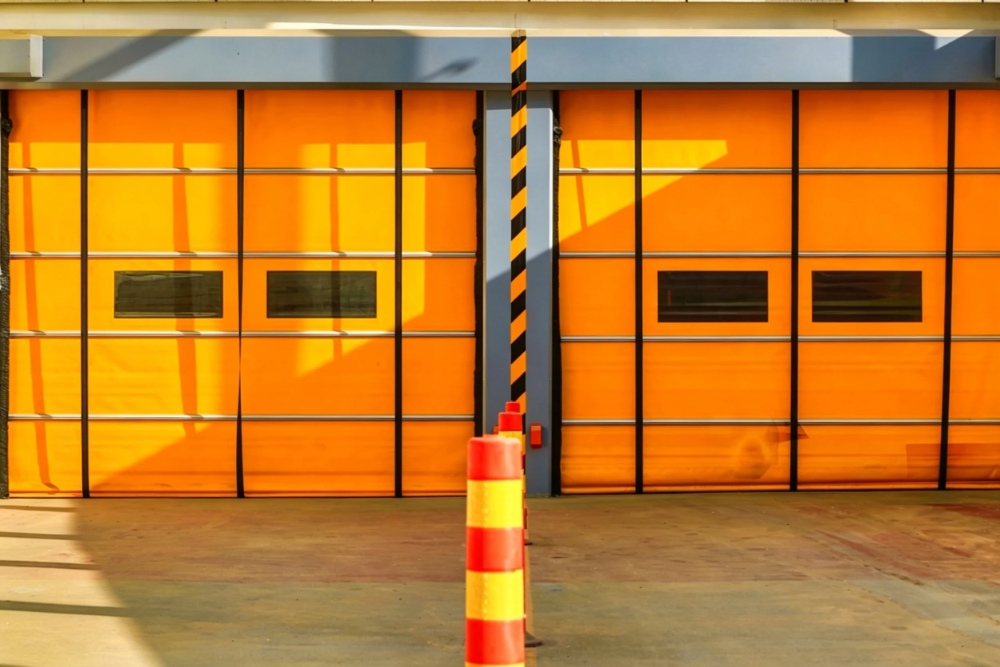
يعتمد الجواب السريع كليًا على أمرين: حجم الفتحة وضغط الرياح الذي تواجهه. إذا كنت تدير ممرًا داخليًا عاديًا حيث تحتاج فقط إلى منع الغبار وتحريك الرافعات الشوكية بسرعة، فإن الباب المنزلق السريع هو خيارك الأمثل. أما إذا كنت تتعامل مع مدخل خارجي ضخم - يزيد عرضه عن 6 أمتار - أو رصيف تحميل يتعرض لرياح ساحلية قوية، فإن الباب القابل للتكديس السريع هو الحل الوحيد. تميل الأبواب المنزلقة العادية إلى الاهتزاز أو حتى الخروج من مساراتها عندما تكون الفتحة كبيرة جدًا أو تكون الرياح قوية جدًا. تحل الأبواب القابلة للتكديس هذه المشكلة لأنها تستخدم "أضلاعًا" أفقية أو قضبانًا هوائية لسد الفجوة. هذا الاختلاف الهيكلي هو ما يحدد ما إذا كانت منشأتك ستبقى منتجة أم ستنتهي بإهدار آلاف الدولارات على الإصلاحات. غوديسن لقد أمضى سنوات في مساعدة مديري المرافق على حل هذه المعضلة بالضبط، من خلال مطابقة الباب عالي السرعة المناسب مع البيئة المناسبة للحفاظ على انخفاض تكاليف الطاقة واستمرار حركة المرور.
التمييز بين الحركة والميكانيكا
ينظر معظم الناس إلى باب سريع الحركة، فيرون مجرد ستارة تتحرك لأعلى ولأسفل. لكن طريقة حركة هذه الستارة تكشف كل شيء عن مكان تركيبها الأمثل. إن اختيار نوع الستارة، سواء كانت أسطوانية أو قابلة للطي، لا يتعلق بالتصميم، بل بقدرة القماش على تحمل الضغط البدني خلال ساعات العمل المزدحمة.
يستخدم هذان النظامان طريقتين مختلفتين لتخزين ستارة الباب عند فتحها. يعمل الباب سريع اللف كستارة نافذة، حيث يلتف حول بكرة علوية. هذا التصميم يجعله صغير الحجم، مما يجعله مثاليًا للأماكن ذات الارتفاع المنخفض. أما الباب الصناعي القابل للتكديس، فيستخدم أحزمة رفع لسحب القماش لأعلى، حيث يُطوى في كومة أنيقة في الأعلى. تتيح هذه الآلية استخدام ستائر أكثر سمكًا ووزنًا يصعب لفها.
المتانة الهيكلية للأبواب القابلة للتكديس المقاومة للرياح
عندما تنظر إلى باب قابل للطي مقاوم للرياح، فأنت أمام حلٍّ متين للغاية. على عكس الألواح البلاستيكية المسطحة التي قد ترفرف مع النسيم، تتميز هذه الأبواب بأضلاع أفقية مقاومة للرياح مصنوعة من سبائك الألومنيوم أو الفولاذ. هذه الأضلاع مثبتة في جيوب داخل الستارة كل بضعة أقدام. عندما تهب الرياح على الباب، تنقل الأضلاع الضغط إلى قضبان التوجيه الجانبية. هذا التصميم هو ما يجعل الباب القابل للطي يتحمل مستويات مقاومة للرياح تصل إلى 7 أو 8 (وحتى أعلى مع أضلاع إضافية). إذا كان موقعك في منطقة معرضة للأعاصير أو بالقرب من المحيط، فإن هذا الهيكل الداخلي هو ما يحمي الباب من التلف.
السرعة والتكرار للدورات اليومية
بينما تتميز الأبواب القابلة للطي بقوتها، صُممت الأبواب الدوارة خصيصًا للاستخدام المتكرر. يمكن للباب الدوار السريع القياسي أن يفتح بسرعة تصل إلى 1.5 متر/ثانية، مما يجعله مثاليًا للمناطق الداخلية ذات الحركة الكثيفة. تخضع هذه الوحدات لاختبارات صارمة لضمان تحملها لأكثر من مليون دورة فتح وإغلاق خلال عمرها الافتراضي. في شركة GUDESEN، نرى العديد من مصانع تجهيز الأغذية تستخدم هذه الأبواب كفواصل داخلية، لأنها توفر عزلًا محكمًا ضد الروائح والحشرات، مع الحفاظ على مسافة آمنة من حركة الرافعات الشوكية السريعة. كما أنها خفيفة الوزن، وهادئة، وسهلة الصيانة للغاية.
إذا كنت تعاني حاليًا من أبواب تصدر صوتًا مزعجًا مع كل هبة ريح، فقد يكون استخدامك لأبواب متحركة هو الأنسب. إن الانتقال إلى حل أكثر استقرارًا لا يحمي المبنى فحسب، بل يمنع أيضًا التكلفة "الصامتة" لفقدان الإنتاجية أثناء العواصف.
متى تختار بابًا صناعيًا قابلًا للتكديس
عادةً ما يُلجأ إلى الأبواب القابلة للتكديس عندما تصل الأبواب العادية إلى حدودها القصوى. فعندما يصل عرض الفتحة إلى حد معين، يصبح تأثير الرياح شديد الخطورة على الأبواب الدوارة البسيطة. وهنا تحديدًا تتضح مزايا الأبواب الصناعية القابلة للتكديس لأي صاحب منشأة.
يُعدّ هذا النوع من الأبواب الأفضل في عالم أبواب المستودعات الكبيرة. ولأنه لا يعتمد على بكرة واحدة لحمل الوزن، يُمكن تصنيعه بأحجام أكبر بكثير، حيث يصل عرضه وارتفاعه غالبًا إلى 10 أو 12 مترًا للمشاريع الخاصة. إنه الباب المتين والموثوق به، والمثالي للصناعات الثقيلة التي تتميز بضخامة المعدات وتقلبات الطقس.
حل مشكلة الفتحات الخارجية الضخمة
يُعدّ باب المستودع الكبير هدفًا رئيسيًا لضغط الرياح. فإذا استخدمت ستارة PVC عادية لفتحة خارجية بعرض 6 أمتار، ستدفع عاصفة قوية منتصف الستارة خارج مسارها، مما يؤدي إلى توقف العمل وتكاليف صيانة باهظة. يتجنب الباب القابل للطي السريع هذه المشكلة بفضل قضبان منع الرياح الداخلية التي ذكرناها. حتى في بيئات الضغط السلبي - حيث يُسحب الهواء من المبنى - يبقى تصميم الطي مسطحًا ومحكم الإغلاق. ويمكنه العمل في درجات حرارة تتراوح بين -30 درجة مئوية و+70 درجة مئوية، مما يجعله حلاً مثاليًا لجميع الأحوال الجوية لحماية واجهة منشأتك.
السلامة والكشف في المناطق ذات الحركة المرورية العالية
نظرًا لأن هذه الأبواب غالبًا ما تكون كبيرة الحجم وسريعة الحركة (حوالي 0.5 إلى 0.8 متر/ثانية)، فإن السلامة هي الأولوية القصوى. كل باب صناعي قابل للتكديس نقوم بتصنيعه مزود بمستشعرات كهروضوئية تعمل بالأشعة تحت الحمراء كجزء أساسي من نظام الأمان. تُثبّت هذه المستشعرات في أسفل الإطار، وتوقف الباب فورًا في حال وجود شخص أو مركبة في طريقه. ولمزيد من الحماية، يُمكن إضافة ستارة ضوئية أمانية بارتفاع 1.8 متر أو وسادة هوائية سفلية. تضمن هذه الطبقات الإضافية أن تكون الحوادث شبه مستحيلة حتى في أحواض بناء السفن المزدحمة أو مواقع الإنشاءات الحكومية.
عند التخطيط لمنشأة ضخمة، يُحدد اختيار الباب ميزانية الصيانة طويلة الأجل. إذا كانت شاحناتك تنتظر باستمرار بابًا بطيئًا، أو كان فريق الصيانة لديك يُصلح باستمرار ستائر "ممزقة"، فمن المحتمل أنك تستخدم المعدات الخاطئة. استكشف خيارات التصميم حسب الطلب. باب قابل للطي عالي الارتفاع قد تكون هذه هي الخطوة التي تحتاجها للتخلص من هذه الصداع.
دور الباب الدوار السريع في الممرات الداخلية
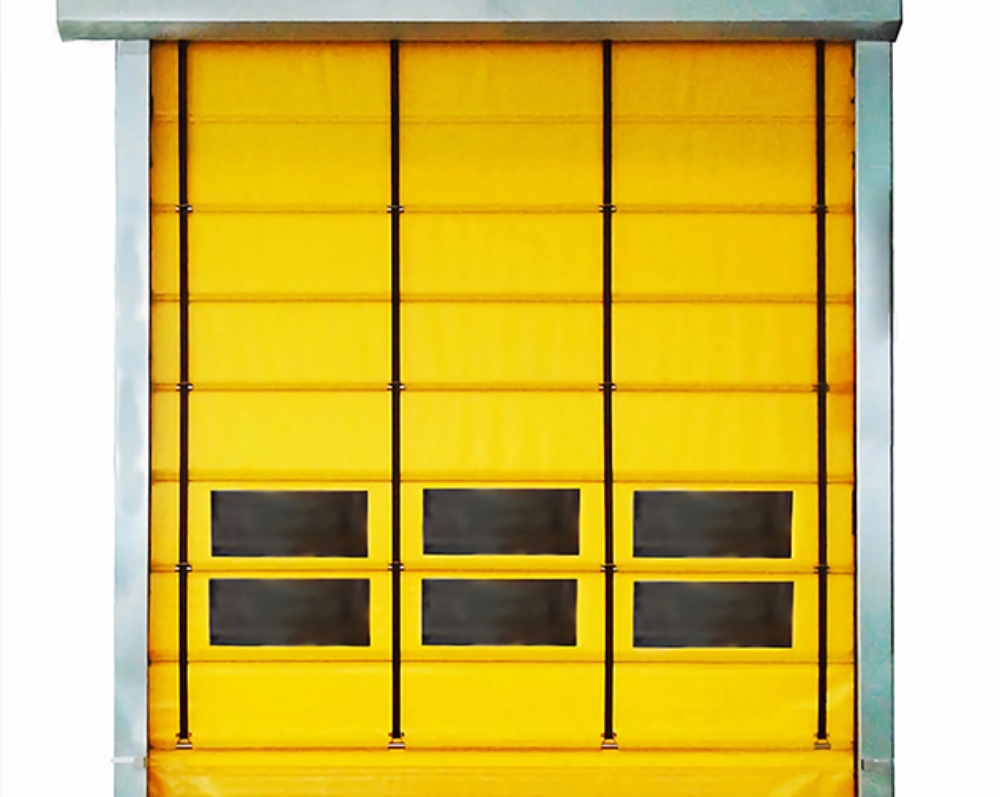
بينما يتولى الباب القابل للطيّ مهمة التعامل مع الظروف الخارجية القاسية، يُعدّ الباب المنزلق السريع هو الحل الأمثل للتحكم في البيئة الداخلية. ففي المصنع، لا تواجه رياحًا عاتية فحسب، بل تواجه الغبار والضوضاء وفقدان الحرارة. أنت بحاجة إلى نظام يُفتح بسرعة ويُحكم إغلاق المكان بمجرد مرور الرافعة الشوكية.
تحظى هذه الأبواب بشعبية واسعة لكونها "نظيفة". بفضل إطارها البسيط المصنوع من الفولاذ المقاوم للصدأ أو الألومنيوم، وغطائها الأملس المصنوع من مادة PVC، لا توجد أماكن كثيرة لتراكم الغبار. وهي المعيار المعتمد في مصانع المشروبات، ومصانع مستحضرات التجميل، وغرف العمليات النظيفة في صناعة الأدوية، حيث تُعدّ النظافة بنفس أهمية السرعة.
-
منع الغبار والروائح: غالباً ما تُزود قضبان التوجيه الجانبية للأبواب سريعة الانزلاق بحشوات مانعة للتسرب مزدوجة الجوانب. وهذا يُشكل حاجزاً محكماً يمنع روائح مكان العمل أو الغبار من الانتشار إلى أجزاء أخرى من المبنى.
-
معدل فتح مرتفع: إذا كان الباب يحتاج إلى الفتح 1500 مرة يوميًا، فإن التصميم الدوار خفيف الوزن أكثر كفاءة في استهلاك الطاقة. فهو يستخدم محركًا مؤازرًا بقدرة تتراوح بين 0.75 و2.2 كيلوواط، يوفر حركة انسيابية سلسة - تبدأ ببطء، ثم تتسارع، وتتوقف بهدوء لمنع التآكل.
-
عائد الاستثمار في توفير الطاقة: من خلال الإغلاق السريع بعد كل مرور، يمكن لهذه الأبواب توفير حوالي 80٪ من فقد الطاقة مقارنة بترك باب منزلق مفتوحًا أو استخدام بوابة يدوية بطيئة.
مقارنة كفاءة الطاقة والعمر الافتراضي
إن الاستثمار في باب عالي السرعة هو في الواقع استثمار في فاتورة الكهرباء الشهرية. فكل ثانية يبقى فيها الباب مفتوحاً هي ثانية يتسرب فيها هواء التكييف أو التدفئة إلى موقف السيارات. وعلى مدار عام، يتراكم هذا ليُشكّل آلاف الدولارات من الأموال المهدرة.
يهدف كل من الباب الدوار والباب القابل للطي إلى حل هذه المشكلة، لكنهما يفعلان ذلك بطرق مختلفة. يعتمد الباب الدوار على السرعة القصوى (حتى 1.5 متر/ثانية) لتقليل وقت الفتح. أما الباب القابل للطي فيستخدم ستارة أكثر سمكًا، وغالبًا ما تكون معزولة حراريًا، لتوفير عزل حراري أفضل عند إغلاق الباب. اعتمادًا على مناخك، قد يوفر لك أحدهما أكثر من الآخر. صُممت منتجات GUDESEN لتحمل أكثر من مليون دورة فتح وإغلاق، ما يعني أنه إذا فتحته 100 مرة يوميًا، فقد يدوم الباب لأكثر من عقد من الزمان.
استنتاج
يتطلب النمو الصناعي الحالي تشغيل المنشآت على مدار الساعة طوال أيام الأسبوع دون توقف بسبب أعطال المعدات أو بطء العمليات اللوجستية. إذا كنت لا تزال تستخدم بوابات معدنية يدوية ثقيلة لفتحاتك الكبيرة، فمن المحتمل أنك تهدر مبالغ طائلة من الطاقة ووقت العمل شهريًا. الأبواب العادية غير مصممة لتحمل حركة المرور الكثيفة أو ضغط الرياح الشديد. فهي تتعطل، وتتسرب منها الهواء، وتتوقف عن العمل في أشد أوقات الحاجة إليها. يُعدّ الانتقال إلى باب تكديس سريع احترافي أو باب بكرات عالي السرعة هو السبيل الوحيد لتحديث سير عملك وحماية بيئتك الداخلية. سواء كنت بحاجة إلى قوة باب تكديس مقاوم للرياح لرصيف تحميل خارجي أو سرعة باب بكرات دقيقة لمختبر داخلي، فإن الاختيار الصحيح سيوفر عليك الكثير من الطاقة ويقلل من تكاليف الصيانة. هل أنت مستعد للعثور على الحل الأمثل لمستودعك؟ تواصل معنا. غوديسن فريقنا اليوم. نحن خبراء في اختيار الأبواب عالية الأداء المناسبة للبيئات الصعبة، مما يضمن بقاء منشأتك سريعة وآمنة وفعالة.
الأسئلة الشائعة
س: ما هو أقصى عرض يمكن أن يصل إليه باب التكديس السريع؟
ج: يمكننا تخصيص هذه الأبواب للفتحات الكبيرة جدًا، والتي غالبًا ما يصل عرضها إلى 6 إلى 10 أمتار أو أكثر.
س: هل الباب عالي السرعة آمن للعمال؟
ج: نعم، تأتي مزودة بمستشعرات الأشعة تحت الحمراء وستائر ضوئية أمان اختيارية لمنع الباب من الاصطدام بالأشخاص.
س: هل يتطلب الباب المنزلق السريع الكثير من الصيانة؟
ج: لا، تصميم الدوران البسيط موثوق للغاية ولا يحتاج إلا إلى تنظيف أساسي وفحوصات دورية للمستشعر.