




Быстрое прокатка против секционных дверей: какое лучшее решение для промышленных дверей в 2026 году?
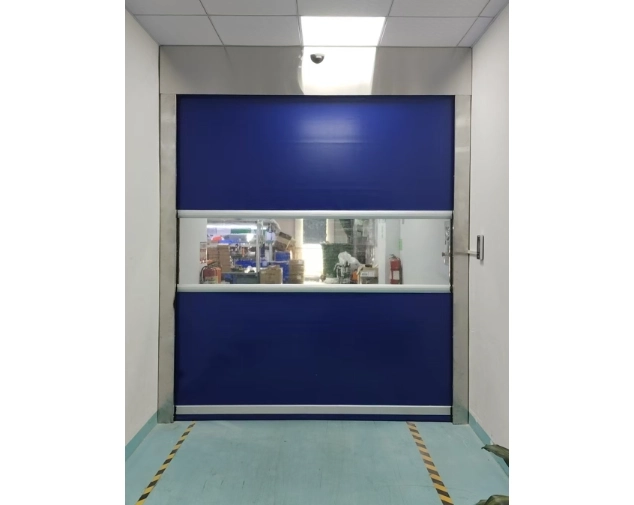
В высокоэффективном промышленном ландшафте 2026 года управление складами требует больше, чем просто складское пространство; требует абсолютной скорости. Руководители объектов и владельцы предприятий постоянно оценивают инфраструктуру, чтобы вытеснить каждую секунду производительности и каждый цент экономии энергии. Одним из наиболее важных, но часто упускаемых из виду компонентов этого уравнения является промышленная дверь.
В ГУДЕСЕНМы тратили годы на разработку решений доступа, которые не только заполняют дыру в стене, но и активно улучшают рабочий поток. Мы не просто производители. Мы являемся партнерами вашего логистического успеха. Наш опыт заключается в диагностике “ импульс” на заводе, анализируя поток движения, потребности в контроле окружающей среды и протоколы безопасности, чтобы определить точную требуемую дверную систему. Независимо от того, управляете ли вы стерильной фармацевтической лабораторией или оживленной мастерской тяжелого оборудования, наша команда подходит к вашим потребностям с сочетанием инженерной точности и практического опыта на местах. Мы считаем, что правильная дверь может ускорить ваш бизнес, буквально.
Дебаты часто сужаются до двух претендентов: традиционная секционная дверь (часто называемая промышленной подъемной дверью) и современная высокоскоростная быстрая прокатная дверь. Оба служат цели закрытия отверстия, но их операционная логика сильно отличается. В этом всеобъемлющем руководстве мы разберем спецификации, сравним реальную производительность и поможем вам решить, какое решение соответствует высоким скоростным требованиям 2026 года.
Определение соперников: стабильность против скорости
Прежде чем анализировать показатели производительности, важно точно установить, что подразумевают эти две системы. Выбор между ними обычно диктует ритм всей вашей складской деятельности.
А секционная дверь является крепким звеном отрасли. Изготовленные из жестких панелей (обычно из цветной стали или алюминия, наполненной пеной PU), эти двери поднимаются вдоль рельсов на потолок. Они предназначены в первую очередь для безопасности, теплоизоляции при статическом состоянии и уплотнения корпуса здания ночью или в неэксплуатационные часы.
Напротив, в Быстрая прокатная дверь (или высокоскоростная дверь ПВХ) построена для движения. Он использует прочный, легкий занавес из ПВХ (толщиной 0,8 мм и 1,2 мм), который прокатывается в компактную коробку над крышкой. Двигаемые высокопроизводительными серводвигателями, эти двери предназначены для высокочастотного доступа, предназначенные для открытия и закрытия сотни раз в день без сбоя.
Скорость и эффективность рабочего процесса
На загруженном складе водитель вилочного погрузчика, ждущий открытия двери, находится в состоянии простоя. Если этот водитель ждет 10 секунд, 50 раз в день, это почти час потери производительности на одного водителя. Именно здесь различие между быстро катящимися и секционными дверями становится резким.
Секционные двери, из-за их веса и механического механизма подъема, обычно работают медленными темпами. Они отлично подходят для закрытия магазина, но становятся узким местом во время активного времени. С другой стороны, наши высокоскоростные решения предназначены для того, чтобы очистить путь почти мгновенно.
В следующей таблице показан резкий разрыв в производительности, который заставляет большинство наших клиентов обращаться к высокоскоростным решениям для их внутренних логистических каналов:
Сравнение функций | Высокоскоростная ПВХ быстрая дверь | Традиционная секционная дверь |
Скорость открытия | 0.6 m/s – 1.5 m/s (Регулируемый) | Примерно 0,2 м/с |
Ежедневные циклы | > 1000 раз/день | < 50 раз в день |
Пригодность трафика | Высокооборотный вилочный погрузчик / пешеходный | Доступ с низким объемом / один раз в день |
Время ожидания | Незначительный (мгновенный доступ) | Высокий (создает узкие места) |
Основная функция | Эффективность и Контроль окружающей среды | Безопасность и Ночная изоляция |
Для зданий, где судоходная продукция имеет наибольшее значение, математика проста. В Высокоскоростная промышленная роликовая шаттер дверь ПВХ Электрическая дверь дистанционного управления с датчиком для большого склада & Мастерская позволяет грузовикам проходить без значительного замедления, сохраняя ритм вашей линии поставок.
Скрытая стоимость потерь энергии
Распространенным заблуждением является то, что секционные двери всегда более энергоэффективны, потому что панели более толстые (40-50 мм изоляции). Хотя это верно для закрытых дверей, эта логика не работает в загруженной среде.
Потеря энергии происходит, прежде всего, когда дверь открыта. Поскольку секционная дверь движется медленно, она остается открытой в течение значительно более длительного времени во время каждого прохода, позволяя огромным количествам кондиционированного воздуха сбежать и пыли войти. Быстрокаточная дверь открывается мгновенно и, что еще важнее, закрывается сразу же после прохождения транспортного средства. Оснащенные двухслойными щетковыми уплотнениями в направляющих рельсах и эластичным ПВХ-нижним уплотнением, которое адаптируется к неравномерным полам, наши быстрые двери минимизируют обмен воздухом. В условиях, регулируемых температурой, эта скорость может снизить затраты на энергию до 80% по сравнению с более медленными традиционными дверями.
Интеллектуальные системы контроля доступа
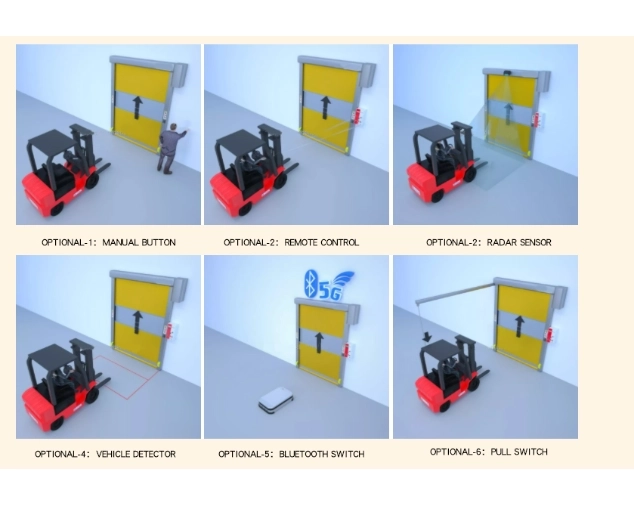
В 2026 году дверь не будет умной, если она потребует от человека нажать кнопку вручную каждый раз. Современная логистика требует автоматизации для обеспечения безопасности и гигиены, особенно в пищевом и фармацевтическом секторах.
Мы интегрируем передовые технологии зондирования непосредственно в наши системы управления. Для сценариев, связанных с тяжелым транспортом вилочных погрузчиков, Геомагнитная индукция (Детекторы петли) является превосходным выбором. Он обнаруживает металлическую массу транспортного средства и автоматически открывает дверь, позволяя водителю сосредоточиться на вождении. Для смешанного движения (людей и автомобилей), Радарные датчики обеспечить более широкое поле обнаружения.
Кроме того, для контролируемых сред, таких как чистые комнаты, мы используем Системы блокировкиЭта настройка гарантирует, что одна дверь не может открыться, пока другая не закрывается, создавая воздушный замок, который поддерживает строгие экологические стандарты. Традиционные секционные двери редко предлагают такой уровень сложной интеграции из-за их механических ограничений и медленного времени цикла.
Устойчивость и техническое обслуживание
Одной из главных проблем, которые мы слышим от клиентов о секционных дверях, является разрыв конструкции. Крутистые пружины, линии и колеса секционной двери сталкиваются с огромным тягом. Если они используются после установленной круговой скорости (например, 100 раз в день, а не 20), пружины могут сломаться, что создает риск охраны и дорогостоящее время остановки.
Быстрокаточные двери построены другим способом. Они используют прямой привод серводвигателя с меньшим количеством износных частей. ПВХ-экран гибкий и жесткий.
Преимущество самовосстановления
Случаи случаются. В спешке вилочный погрузчик может зацепить край двери. При жесткой секционной двери это обычно означает изгибнутые панели, поврежденные рельсы и счет за ремонт, который может занять несколько дней.
Однако многие из наших высокоскоростных решений имеют Структура молнии or “ Саморемонтный” дизайн. Если штора поражены, он просто сойдет с рельса без повреждения. На следующем цикле вверх руководства молнии автоматически подают обратно в рельс, перенастраивая дверь. Это “ Автоматическое восстановление” функция значительно снижает затраты на обслуживание и гарантирует, что ваш объект продолжает двигаться, даже после незначительных столкновений.
Особенности безопасности, которые нельзя игнорировать
Скорость требует безопасности. Когда дверь закрывается со скоростью 1,0 м/с или более, нет возможности ошибки в отношении безопасности персонала. Мы придаем этому приоритет прежде всего.
В то время как секционные двери опираются на основное сопротивление (которое требует контакта для обратного движения), наши высокоскоростные системы оснащены бесконтактными мерами безопасности. Световые занавесы безопасности (Инфракрасные барьеры) стандартны на многих наших премиум-моделях. Они создают защитную сетку (часто высотой 1,8 м) через дверь. Если человек, коробка или транспортное средство разрушает один луч света, дверь немедленно останавливает его спуск и обратно. Это предотвращает аварии до их возникновения, защищая персонал и оборудование.
Принятие окончательного решения для вашего объекта
Какой для вас самый главный вариант в 2026 году?
Если ваша главная цель заключается в том, чтобы заблокировать внешний край здания ночью, и дверь открывается всего несколько раз в день для больших нагрузок, секционная дверь остается твердым, недорогим выбором для именно этой работы.
Но для внутренняя логистика, перегородки мастерских, буферные зоны и частые точки доступа, высокоскоростная быстрая прокатная дверь является ясной вершиной. Это дает поисковику скорости новый выход, уплотнение для удержания мощности и умную технологию, которую искали в 2026 году.
Приглашаем Вас оценить свой объект’ с потоком трафика. Ваши погрузчики ждут? Вы теряете тепло? Если ответ да, то пришло время обновить. Посетить О нас чтобы узнать больше о том, как наша инженерная команда может настроить решение для ваших конкретных оперативных задач.
Часто задаваемые вопросы
В: Какой максимальный размер доступный для высокоскоростной промышленной роликовой двери?
А: Наши стандартные размеры производства вмещают ширины до 6 метров. Однако мы специализируемся на персонализации. Для больших отверстий в тяжелых промышленных мастерских или ангарах мы можем разработать конкретные решения, потенциально используя технологии накладных дверей или армированные конструкции для обеспечения стабильности и ветростоятельности в больших масштабах. Это означает, что мы смотрим на потребности вашего объекта и строим, чтобы соответствовать, даже для широких бухт, где обычные двери не хватают. Наша команда использует крепкие рамы и тестовые модели, чтобы убедиться, что они выдерживают ветер или тяжелое использование, обеспечивая спокойствие для больших пятен.
В: Можно ли установить высокоскоростную дверь из ПВХ на открытом воздухе с сильными ветрами?
О: Да, но это зависит от конкретной конфигурации. Стандартные двери из ПВХ номинированы для ветровых нагрузок уровня 3-4. Для внешних приложений мы укрепляем занавес горизонтальными ветропроницаемыми прутками (алюминиевыми сплавами или стальными трубами), повышая сопротивление ветру до уровня 6-8. Для прибрежных районов с тайфунами мы рекомендуем нашу серию турбинных жестких быстрых дверей или укладочных дверей, которые предлагают еще более высокие рейтинги сопротивления ветру. Эти изменения помогают в суровой погоде, keepin, г дверь закрыта плотно без клапана. Мы также добавляем боковые держатели и базовые весы, поэтому он работает круглый год в открытых местах, таких как доки или дворы.
В: Сложный ли процесс установки для электрической двери дистанционного управления?
A: Мы разработали наши дверные системы, чтобы быть модульными для простой установки. Большинство важных компонентов предварительно собраны. Мы предоставляем всеобъемлющие видео и файлы для установки, чтобы направлять вашу местную команду. Кроме того, наша команда технической поддержки предлагает инструкции по удаленной установке, чтобы датчики, пределы и двигатели были идеально калибрированы для вашего конкретного объекта. Это облегчает настройку, даже для команд, которые в ней новы, и мы проверяем через звонки, чтобы быстро устранить любые небольшие проблемы. В конце концов, вы готовы запустить дверь с небольшими хлопотами.