




How Do Insulated Doors for High Temperature Room Enhance Safety
Industrial facilities face multiple operational and safety difficulties because of their high-temperature rooms. The combination of environmental threats and human safety risks exists because high-temperature rooms create fire dangers and structural weakening. The selection of appropriate doors for risk reduction in high-risk areas depends on insulated doors which are designed to handle extreme conditions. The doors need to achieve top-level thermal insulation and fire protection and air tightness and mechanical strength while maintaining operational efficiency.
Yingli Electric Door Co. Ltd. stands as a top provider of industrial-grade insulated doors which meet high-temperature requirements. Yingli Electric Door Co. Ltd has operated for more than twenty years to develop specialized door solutions including Insulated Roll Up Doors which they customize and automate while following international standards. The company serves multiple industries through their wide range of products which include metallurgy cleanrooms and chemical plants to provide thermal safety solutions for your facility.
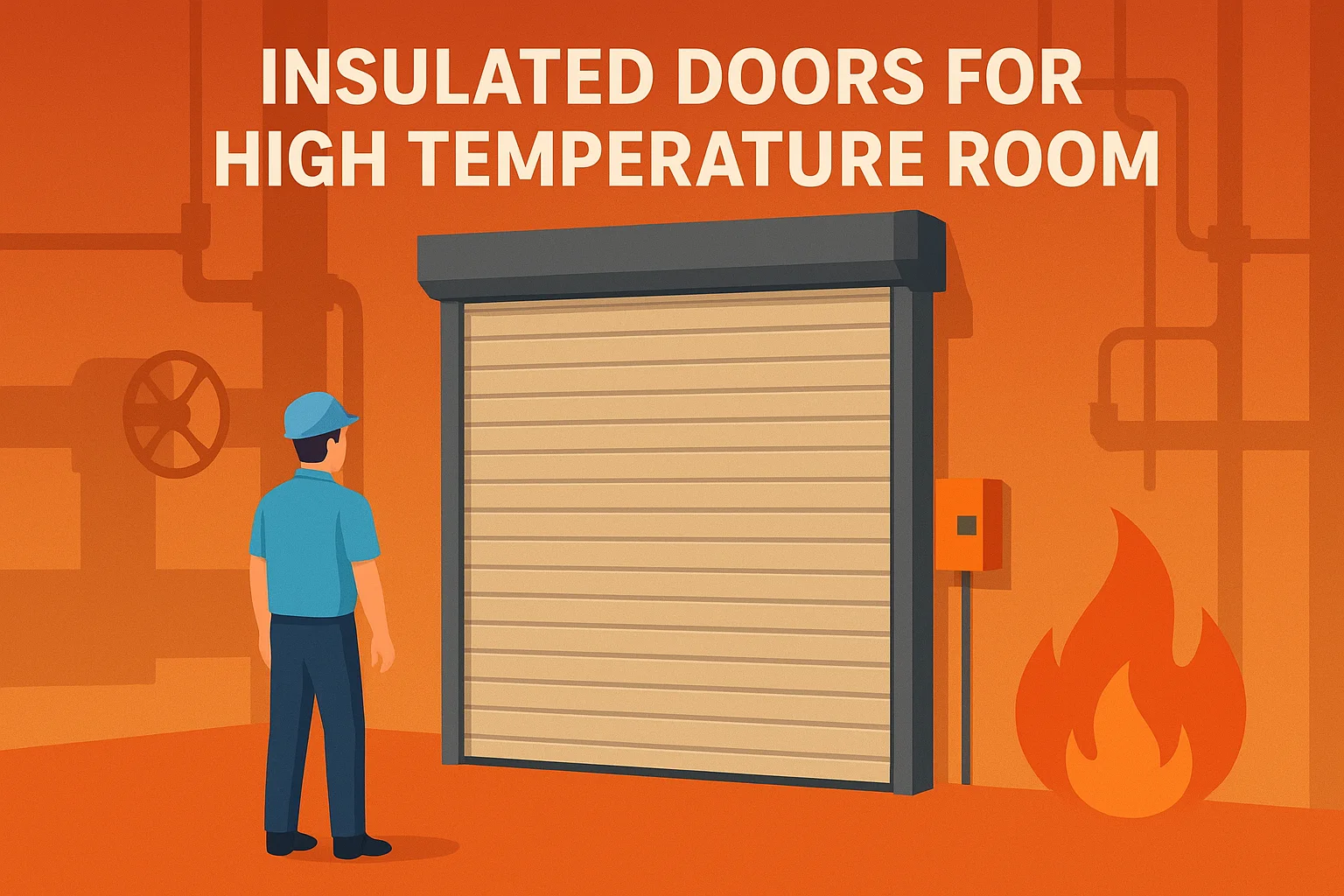
What Are the Safety Challenges in High Temperature Rooms?
The operation of industrial high-temperature rooms occurs under harsh conditions because thermal dynamics create major limitations for both infrastructure and safety procedures. The environments require complete thermal containment because they expose materials to continuous heat while using volatile substances for specialized processes.
Risks of Heat Exposure and Fire Hazards
The extended exposure to heat causes damage to materials while endangering human safety. The absence of proper containment allows hot air to escape into neighboring areas which results in rising ambient temperatures that endanger sensitive equipment. The lack of proper insulation causes materials to deteriorate faster while simultaneously increasing the danger of fires. The absence of thermal resistance in doors creates safety risks because heat can spread through them which might lead to system failures.
Structural Integrity Under Thermal Stress
Standard door materials experience warping or cracking when they undergo multiple heating and cooling cycles because expansion and contraction forces develop. The structural form of traditional door systems breaks down when they experience stress which results in compartmentalization failures through gap formation and deformation. Doors need to resist mechanical fatigue while maintaining their operational performance to ensure safety and integrity.
Inefficiencies in Conventional Door Systems
Standard doors lack sufficient capacity to manage the thermal requirements of hot temperature zones. The non-insulated construction of these doors allows heat to pass through freely which results in higher HVAC expenses and unstable indoor temperature conditions. The combination of manual operation and slow door movement creates an extended heat transfer period which results in safety and efficiency losses.
How Do Insulated Doors Enhance Thermal Safety?
Standard doors have performance restrictions which make high-performance insulated doors necessary for these applications. The design of insulated doors for high temperature rooms focuses on heat containment and fire resistance and operational efficiency.
Thermal Insulation Performance
The ability of a door to insulate determines how well it maintains internal temperature stability. The low thermal conductivity of high-density polyurethane cores makes them a common choice for insulation applications. The market offers industrial door panels in three standard thickness options which include 40mm and 50mm and 75mm. Our standard practice involves using doors with 40mm or 50mm thicknesses. The specified thickness level helps to reduce heat transmission through the door barrier.
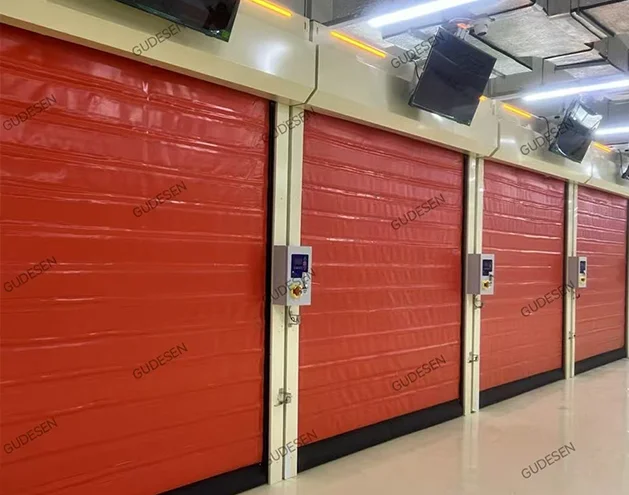
The Insulated Roll Up Door features a 40 mm polyurethane-filled core which provides superior thermal resistance to maintain stable temperatures during external temperature changes.
Fire Resistance Capabilities
The passive fire protection system of insulated doors functions as a protective measure. The fire-rated materials in these doors create a delay in flame and smoke spread between compartments which extends emergency response time. The selection of components follows industrial fire codes that apply to high-temperature areas.
The containment strategy serves as a critical measure for processing facilities that handle flammable substances and explosive chemical reactions. The fire-resistant design system protects people in nearby areas while it reduces the extent of property destruction.
Durability Under Extreme Conditions
The system requires durability as one of its essential components. The industrial sliding doors feature galvanized hinges which together with their galvanized accessories protect against corrosion that results from hot temperatures and industrial chemical exposure.
The Insulated Roll Up Door features galvanized steel panels with anti-corrosive coatings which provide extended reliability during intense operational use. The sealing system of this product maintains its operational stability through multiple thermal cycles which results in longer maintenance periods and extended service duration.
Why Is Airtight Sealing Critical in High Temperature Environments?
High-temperature rooms require airtight sealing because it enables proper environmental control. Small leaks in the system will negatively impact both operational efficiency and safety standards.
Prevention of Heat Leakage
The sealing process stops heat from entering nearby areas which contain important equipment and cleanroom facilities. The system maintains a stable internal environment through reduced HVAC load because it minimizes temperature changes.
The integrated sealing design of Yingli minimizes air exchange during operation cycles which makes it suitable for facilities that need to maintain tight energy controls and temperature stability.
Containment of Hazardous Gases or Particulates
The chemical processing and metal treatment sectors generate fumes and particulates which become typical emission products. The implementation of airtight doors stops dangerous substances from escaping into public areas thus protecting workers and maintaining regulatory standards.
The integration of precision-engineered seals within Insulated Roll Up Doors provides better containment for essential applications including pharmaceutical labs and high-purity manufacturing facilities.
Support for Cleanroom or Sterile Conditions Adjacent to Hot Zones
Cleanroom environments exist in food processing plants and electronic component lines despite their location near high-heat operations. The airtight barriers function as two separate systems which maintain hygiene standards and protect against thermal exposure.
The solutions from Yingli Electric Door Co., Ltd. fulfill both cleanliness standards and thermal isolation requirements which enables smooth connection between sterile areas and hot operational spaces.
What Role Does Speed Play in Enhancing Safety?
Any door operating in high-temperature environments requires speed as its main design consideration. The door operates at high speed to reduce energy loss while improving both operational efficiency and emergency response capabilities.
Minimizing Exposure Time During Operation Cycles
The speed at which doors operate determines how long hot air can escape when the system changes modes. The system protects surrounding areas from heat damage while keeping staff members safe from dangerous temperature conditions when they enter or leave the area.
The Insulated Roll Up Doors operate at speeds reaching 1 m/s which enables quick entry while preserving the controlled environment inside.
Enhancing Emergency Response Capabilities
The fast operation of doors becomes critical during emergency situations including fires and unexpected pressure shifts because it enables both safe evacuations and effective containment strategies. The speed-controlled motors maintain reliable operation during stressful situations because they preserve all safety features of the system.
Improving Workflow Efficiency Without Compromising Safety Standards
High-speed operation improves productivity because it shortens waiting times without compromising environmental control or structural stability. Automated fast doors replace traditional manual doors because they withstand better the repeated heat exposure that damages manual doors.
How Does Material Selection Impact Performance?
The material composition of doors determines their performance in multiple areas including thermal stability and corrosion resistance and regulatory requirements which are essential for high-temperature environments.
Thermal Stability of Door Panel Materials
The door panel contains polyurethane as its middle section which serves as an excellent insulator while color steel plates form the outer layers to provide mechanical strength during thermal stress.
The design structure maintains its shape integrity through all temperature ranges which are typical in industrial environments where safety depends on maintaining stable forms.
Resistance to Corrosion and Chemical Exposure
High-temperature rooms release corrosive gases and chemical residues which damage standard materials. The application of anti-corrosive coatings on components helps extend the operational life of insulated doors while maintaining their appearance.
Compatibility With Industrial Standards
Door materials need to follow international standards such as ISO and CE certifications because they must be safe for use in regulated industries including pharmaceuticals and food processing according to Yingli Electric Door Co., Ltd.
What Are the Advantages of Automated Operation Systems?
Automation enables the conversion of a basic component into an intelligent access solution which enhances security and operational efficiency and user satisfaction in dangerous settings.
Integration With Access Control Systems
The system enables secure access through RFID badges and biometric scans and remote commands which work best for areas that need strict authorization control.
Programmable Logic Control (PLC) for Precision
PLC-enabled systems provide users with adjustable parameters which include open speed and delay time and sensor responses to fulfill particular operational needs while following safety protocols.
The Insulated Roll Up Doors feature automation-ready configurations which support multiple industrial interfaces.
Reduced Human Error Through Automation
The manual operation system creates problems because staff members perform tasks differently throughout their shifts which results in inconsistent results. The automated system performs tasks identically throughout each shift which removes potential safety threats that could occur in hot environments.
Why Should You Choose Yingli’s Insulated Roll Up Doors?
Proven Performance Across Industrial Applications
These doors have already entered service in various industries which include metallurgy and chemical processing plants and cleanrooms and pharmaceutical facilities because they show ability to operate in harsh environments.
Customizable Solutions Tailored to Your Needs
Yingli Electric Door Co., Ltd provides customized solutions for all your needs including special dimensions and insulation thicknesses and motor types and control system requirements with dedicated technical assistance starting from design until post-installation maintenance.
Commitment to Quality and Innovation
Yingli has dedicated more than twenty years to industry development through product innovation which stems from customer feedback and technological progress while maintaining certified quality standards through ISO and CE global benchmarks.
FAQ
Q1: What specific insulation material does insulated door construction require for high temperature room applications?
A: Polyurethane foam serves as the preferred insulation material because it maintains low thermal conductivity while providing excellent insulation performance throughout different temperature conditions.
Q2: Can insulated roll up doors withstand frequent thermal cycling?
A: Yes, they are designed using galvanized steel panels with anti-corrosive coatings that resist warping or degradation under repeated heating and cooling cycles.
Q3: How do automated insulated doors enhance safety?
A: Automation reduces human error, enables faster transitions between hot zones, and integrates with access control systems for secure operation.