




Aluminum vs. PVC High Speed Doors: Which Offers Better Long-Term Value for Warehouses?
Managing a busy warehouse facility often feels like a constant battle against time, temperature, and traffic. Every time a forklift stops for a slow door, you lose seconds that add up to hours. Every time a door seal fails, you lose expensive conditioned air. For facility managers and procurement officers, the choice of entryway systems is not just about filling a hole in the wall; it is about calculating the long-term Return on Investment (ROI).
At GUDESEN, we have spent years analyzing these friction points. We know that the market is often divided between two primary contenders: the lightweight, flexible PVC High Speed Door and the robust, secure Aluminum High Speed Door. On paper, the PVC option often looks attractive due to a lower initial price tag. However, when we look at the lifespan of a facility—spanning five, ten, or fifteen years—the calculation changes dramatically.
We approach this comparison not just as manufacturers, but as engineers obsessed with efficiency. We have seen how the wrong door in a high-wind area can halt operations, and how the right door can silently save thousands in energy costs. The decision between “soft” and “hard” doors defines your facility’s security, energy footprint, and maintenance budget for the next decade. This guide dives deep into the technical and operational differences to help you decide which material truly drives value for your logistics environment.
The Core Difference: Rigid Security vs. Flexible Speed
The fundamental distinction between these two technologies lies in their structural composition and the primary problems they solve.
The Case for Rigid Protection
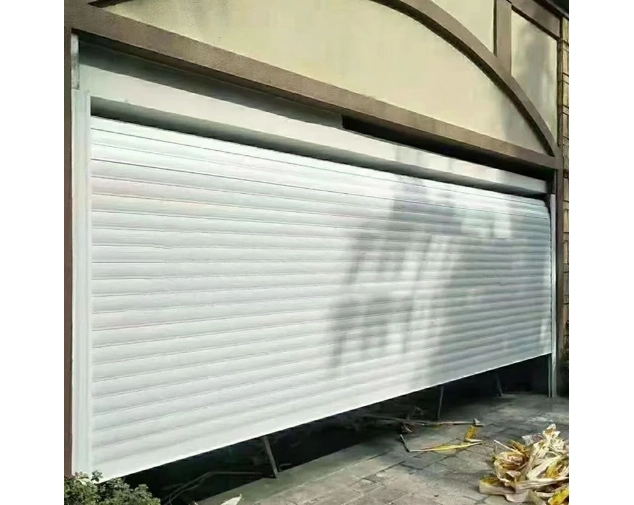
When security and physical resilience are paramount, soft curtains simply cannot compete. The core advantage of an aluminum system is its impenetrability. Our turbine hard fast doors are constructed using double-layer aluminum alloy panels. The thickness of these panels is typically 0.7mm, but the total door panel thickness reaches 40mm due to the high-density polyurethane foam filling.
This construction creates a formidable barrier. It transforms a standard access point into a secure wall that moves. For warehouses storing high-value inventory, electronics, or pharmaceuticals, this physical rigidity acts as a deterrent against theft and intrusion. A knife can cut through fabric; it cannot cut through a double-layer aluminum plate.
The Role of Flexible PVC
PVC doors, conversely, prioritize lightweight speed and safety upon impact. Constructed from industrial polyester fiber base cloth (typically 0.8mm to 1.2mm thick), they are designed to be forgiving. If a forklift accidentally clips the door, the flexible curtain absorbs the energy. In many of our models, a zipper structure allows the curtain to derail and then automatically reset itself during the next cycle. This “self-repairing” feature is brilliant for internal partitions where hygiene and speed matter more than security, but it lacks the heavy-duty permanence required for perimeter defense.
Durability & Maintenance: Where the Real ROI Lies
The sticker price of a door is only a fraction of its total cost of ownership. The real expenses come from maintenance, downtime, and replacement parts.
Cycle Life and The Turbine Advantage
High-traffic warehouses often see doors opening and closing over 1,000 times a day. Conventional roller doors grind metal on metal, leading to wear and noise. To combat this, we utilize a double spiral turbine guide rail system in our premium hard doors. This mechanism ensures that the aluminum panels do not touch each other as they roll up. The rollers glide effortlessly in the turbo track, minimizing friction and noise.
This engineering choice significantly extends the lifespan of the equipment. While a standard PVC door is durable, the fabric itself is subject to wear and tear over years of folding and unfolding. The rigid aluminum panels, protected by the non-contact turbine system, maintain their structural integrity for millions of cycles. For a facility manager, this means fewer service calls and zero downtime waiting for fabric repairs.
The Hidden Cost of Downtime
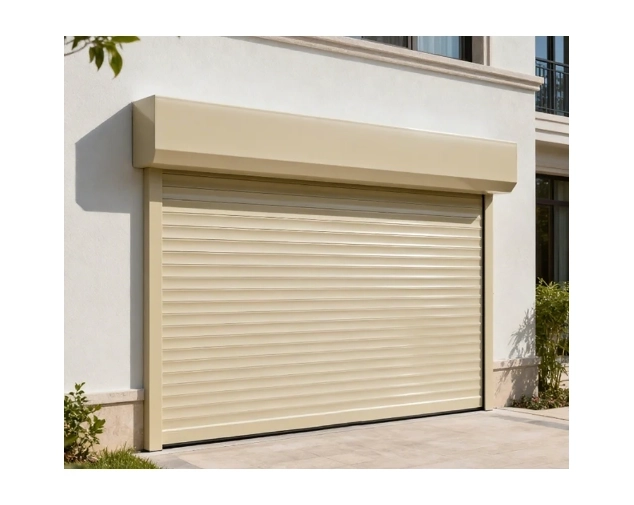
Consider the cost of a door failing during a peak shipping shift. If a soft door is torn by severe wind or a sharp object, operations might stall until a technician arrives. With a Durable Aluminum High Speed Door for Warehouse Traffic, the risk of structural failure is drastically lower. The sheer strength of the panel allows it to withstand accidental bumps that would tear a lesser material. We design these systems to work relentlessly, ensuring your logistics flow never faces a bottleneck due to hardware failure.
Wind Resistance & Outdoor Performance
This is often the deciding factor for our clients when choosing between aluminum and PVC for exterior openings.
Defying the Elements
External logistics bays face the full force of nature. In coastal areas or open industrial parks, wind pressure can be immense. A standard PVC door typically handles wind loads between Level 3 and Level 6. Even with reinforced wind ribs, a soft curtain can billow and bow under heavy storms, potentially blowing out of its guides or allowing air leakage.
Aluminum doors operate in a different league. Thanks to the high-strength alloy panels and the secure guide rail integration, our hard doors can withstand wind loads up to Level 12. This makes them hurricane-resistant. For a warehouse located in a typhoon zone or a windy valley, installing a PVC door on the exterior is a gamble; installing an aluminum hard door is an insurance policy. It ensures that business continues as usual, regardless of the weather outside.
Energy Efficiency: Cutting HVAC Costs
As energy prices climb, the thermal performance of your warehouse doors becomes a critical line item on your balance sheet.
Thermal Breaks and Insulation
A single layer of PVC fabric offers minimal thermal resistance. It is essentially a thin veil between your climate-controlled inventory and the freezing or scorching outdoors. In contrast, the 40mm thick door panels we use in our rigid systems are filled with polyurethane foam. This acts as a powerful insulator, preventing heat transfer.
We also employ a “broken bridge” isolation technique in the panel connection. This design stops conductive heat flow through the metal itself. Combined with this, the U-value (thermal transmittance) of a hard aluminum door is significantly lower than that of a soft door.
Sealing the Gaps
Insulation is useless if air leaks around the edges. We equip our rigid doors with a comprehensive sealing system, including double-layer brush seals or rubber gaskets along the tracks and a weighted elastic bottom seal. This creates an airtight closure.
For cold chain logistics or heated manufacturing plants, the math is simple. If an aluminum door saves 80% more energy than a standard rolling shutter by reducing air exchange and heat loss, the door often pays for itself within a few years purely through reduced HVAC electricity bills.
Quick Comparison Guide
To help you visualize the trade-offs, here is a side-by-side comparison of our two most popular systems:
| Feature | GUDESEN Aluminum Turbine Hard Door | GUDESEN PVC High Speed Door |
| Material Composition | 40mm Double-Layer Aluminum Alloy + PU Foam | 0.8mm – 1.2mm High-Strength PVC Curtain |
| Wind Resistance | Up to Level 12 (Hurricane Resistant) | Level 3 – 6 (Standard) |
| Security | High (Anti-theft, Rigid Barrier) | Basic (Flexible, Non-Intrusion Resistant) |
| Thermal Insulation | Superior (Broken Bridge Design) | Standard (Single Layer Fabric) |
| Opening Speed | 1.2 – 2.5 m/s | 0.6 – 2.0 m/s |
| Daily Cycles | Heavy Duty (>1,500 cycles/day) | High Frequency (>1,000 cycles/day) |
| Ideal Application | External Logistics, High Security, Cold Chain | Indoor Partition, Cleanrooms, Hygiene Zones |
Optimizing Warehouse Traffic Flow
Efficiency is defined by movement. The faster your goods move, the more profitable your operation.
Speed and Sensors
Both aluminum and PVC high-speed doors offer rapid opening velocities, often exceeding 1.2 to 2.5 meters per second. This rapid action minimizes the time the door remains open, which is crucial for maintaining internal temperatures. However, speed must be controlled intelligently.
We integrate advanced servo motor systems that allow for precise acceleration and deceleration curves. This prevents the “jerky” movement that damages mechanical components. Furthermore, the integration of radar sensors and geomagnetic loops allows the door to differentiate between a pedestrian and a forklift.
For high-traffic zones, the reliability of the sensors is key. We often recommend a combination of radar for motion detection and infrared safety photocells or light curtains to prevent accidents. When a forklift approaches a rigid door at speed, the confidence that the door will open instantly and fully—without getting stuck due to wind pressure on the curtain—allows drivers to maintain their pace safely.
Making the Right Choice for Your Facility
Ultimately, the choice between aluminum and PVC comes down to your specific operational environment.
If you are equipping internal openings to separate a clean room from a packaging area, or if you have strict hygiene requirements where a washable curtain is necessary, the PVC option is excellent. It is cost-effective, fast, and safe for pedestrian-heavy zones.
However, for external doorways, high-security storage, or areas exposed to high winds, the aluminum hard high-speed door is the superior investment. It combines the speed of a rapid door with the security of a steel shutter and the insulation of a sectional door. It is a “do-it-all” solution that eliminates compromises.
We believe in engineering solutions that last. By choosing a rigid system for your critical access points, you are not just buying a door; you are securing your facility’s efficiency for the future.
Ready to improve your facility’s security and efficiency with a solution that lasts? Whether you need a quote or technical advice on the best door for your specific environment, our team is here to assist you.
FAQ
Q: Can aluminum high speed doors be used for cold storage applications?
A: Yes, they are highly effective for cold storage. The 40mm polyurethane insulation inside the aluminum panels provides an excellent thermal barrier, preventing cold air loss. Additionally, the track design features advanced sealing strips that minimize air leakage, which is often the biggest source of energy waste in cold chain facilities.
Q: What happens if a vehicle hits the hard aluminum door?
A: Unlike soft doors that may have a self-repairing zipper, aluminum doors are rigid. However, they are built with high-strength alloy to resist minor impacts. For safety, we equip these doors with infrared safety light curtains and airbags. If an obstruction is detected, the door will not close, or it will reverse immediately, preventing the collision from happening in the first place.
Q: How much maintenance does a turbine hard fast door require compared to a PVC door?
A: The turbine hard fast door generally requires less maintenance over the long term. The non-contact spiral track reduces friction and wear on the panels. While PVC doors may require fabric repairs or zipper realignments after high usage, the rigid construction of the aluminum system is designed for heavy-duty cycles (over 1000 times a day) with minimal component degradation.