




Perché le porte auto-riparabili ad alta velocità sono la scelta migliore per gli impianti industriali?
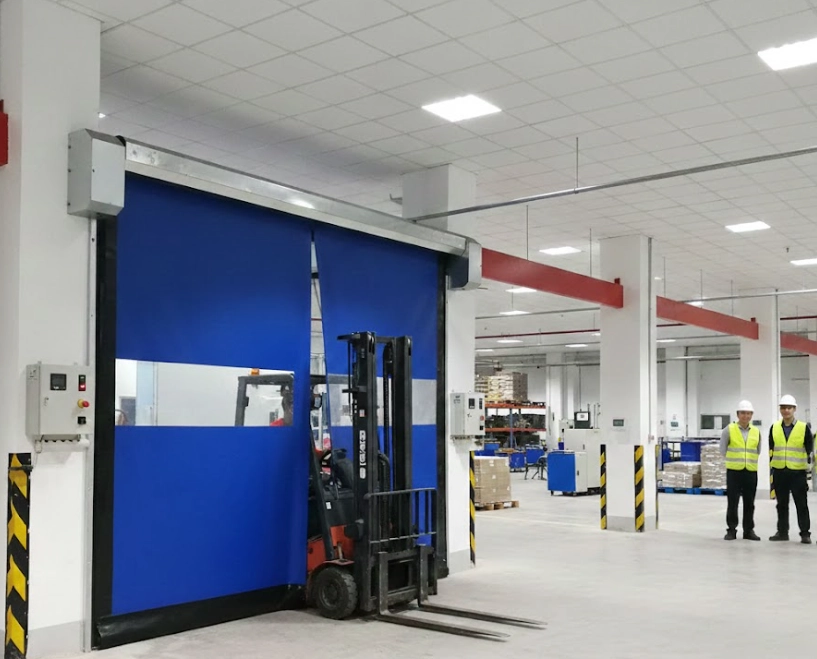
Gestire un sito industriale occupato significa che il tempo conta molto. Un operatore di carrello elevatore affrettato colpisce la porta’ lato S. Le rotaie metalliche si tordono. Il pannello si blocca. L’intera catena di approvvigionamento si ferma. Si deve affrontare una riparazione costosa e un posto aperto nella vostra zona di gestione della temperatura. La tecnologia moderna cambia questa sfida quotidiana.
L'evoluzione dell'accesso industriale
In precedenza, i danni alle porte sembravano una normale spesa aziendale. Le vecchie porte rotolanti con barre solide resistono fino a rompersi. Dopo un colpo, hanno bisogno di soluzioni pratiche, strumenti speciali e giorni per l'arrivo di un lavoratore. Ma l'industria è cambiata. Ora, esistono opzioni che gestiscono bene gli urti. Trasformano un problema in una piccola questione, non in una grande crisi.
Come qualcuno con una profonda conoscenza in questo settore, suggerisco di controllare i prodotti focalizzati da Yingli Electric Door. Questa azienda eccelle perché va oltre la vendita di attrezzature. Crea un flusso fluido per il tuo spazio di lavoro. Segue un “ primo cliente” approccio. Essi danno consigli esperti gratuiti per abbinare la soluzione al vostro edificio’ s impostazione esatta. In caso di grandi cambiamenti di temperatura o di movimento costante del veicolo, il loro gruppo offre il supporto chiave per mantenere le cose in movimento senza problemi.
Che cos'è una porta rapida di auto-recupero?

Potresti chiederti cosa rende questa tecnologia diversa dalle porte ad alta velocità comuni in altre aree di stoccaggio. La chiave è la mancanza di parti dure. Una porta rapida di auto-recupero agisce come una barriera piegabile e rapida costruita per gestire facilmente i colpi.
Invece di utilizzare spesse barre a vento o pesi rigidi sul fondo che deformano al contatto, questa porta utilizza una configurazione intelligente del pannello. Se un camion colpisce il pannello, i lati scivolano fuori dalle rotaie. Il vero trucco arriva nel prossimo uso: quando la porta si alza, il pannello scivola di nuovo nei binari laterali da solo. Non c'e' bisogno di toccarlo, e non c'e' bisogno di una squadra di riparazione.
Il Vantaggio della Struttura Zipper
Per capire perché questa impostazione funziona così bene, considerare il “ Cerniera” sistema. Le porte standard utilizzano spazzole morbide o giunzioni sciolte per bloccare le lacune. Ma lo stile con cerniera crea un legame completo e collegato tra il pannello e le rotaie del bordo.
Scegliendo questa opzione, si ottiene una chiusura quasi impermeabile. Ciò va oltre fermare il vento. Aiuta a gestire il vostro spazio’ Condizioni S. Nei campi in cui sporco, insetti o odori possono danneggiare le merci, questa configurazione collegata funge da guardia principale. Cambia la porta da una parete scorrevole di base in una barriera accuratamente realizzata. La vestibilità stretta mantiene gli elementi indesiderati lontani. Mantiene anche un flusso d'aria costante all'interno. Per le fabbriche con regole rigorose sull'aria pulita, questa caratteristica si rivela vitale. Nel complesso, il design della cerniera aumenta l'affidabilità e riduce le interferenze esterne, rendendo le operazioni quotidiane più fluide e sicure per tutti i coinvolti.
Manutenzione zero e meccanismo di reset automatico
La tua preoccupazione principale è probabilmente il lato dei costi. Ogni volta che una porta fallisce, i soldi scivolano via. Il “ Auto-riparazione” parte di queste porte spiega perché si adattano meglio a luoghi affollati.
Eliminare i downtime tecnici
Considera il tuo solito piano di manutenzione. Quanti soldi vanno all'anno per scambiare barre di fondo torte o riparare pannelli bloccati? Con la funzione di reset automatico, queste spese quasi scompaiono. Quando si verifica un urto, la porta fallisce in modo sicuro. Lo slip-out è previsto. Protegge il motore e il telaio’ S forza.
Dalla porta “ zip” indietro da soli, i lavoratori continuano senza pausa. Questa capacità di risolvere significa un piccolo errore del personale ha vinto’ t causare una grande perdita di denaro. Hai più di una porta. Ottieni un flusso di lavoro calmo e costante. In aree ad alto traffico, questo riduce le chiamate di riparazione e aumenta l'output. Il personale si concentra sui compiti, non sulle soluzioni. Nel tempo, risparmia ore e riduce lo stress sulla squadra.
Sealing superiore per ambienti controllati
Oltre a prendere un colpo, vuoi una porta che svolga il suo compito principale: dividere gli spazi. Per la conservazione a freddo, aree pulite da farmaci o piante alimentari, mantenere le condizioni giuste è un must.
Igiene e prevenzione degli odori
In vari tipi di industria, lo spazio tra una porta e il suo telaio rappresenta un grande punto debole. Le regolari tenute con spazzole lasciano minuscole aperture per l'aria, l'acqua e gli insetti per scivolare. Con la tecnologia della porta rapida con cerniera, il pannello si blocca nella rotaia laterale da estremità a estremità.
Questa forte presa è la chiave per fermare odori e insetti. Se il tuo sito rischia di mischiarsi da fonti esterne, conta su questo stile per mantenere i livelli di pressione dell'aria per standard puliti. Blocca il “ fuori” e tiene il “ dentro” anche. La sigillatura completa riduce anche la perdita di energia. In luoghi come la trasformazione alimentare, soddisfa facilmente i codici sanitari. Inoltre, riduce le esigenze di pulizia mantenendo lo sporco fuori. I lavoratori beneficiano di uno spazio più costante, che aiuta la concentrazione e la sicurezza durante i turni.
Efficienza attraverso funzionamento ad alta velocità
Il tempo è qualcosa che puoi’ t rifiuti. Le porte che si muovono lentamente infastidiscono di più. Bloccano il progresso. Le porte qui utilizzano forti servomotori per velocità da 0,6 a 2,0 metri al secondo.
ROI energetico e controllo della temperatura
In una configurazione di stoccaggio a freddo, ogni momento in cui la porta rimane aperta significa perdere costosa aria fresca. Il rapido ciclo di queste porte mantiene il gap il più breve possibile.
Insieme alla forte chiusura del sistema con cerniera, il risparmio energetico si aggiunge. Tu’ Lo noteremo in fatture più basse e anche temp del prodotto. Quando la porta si chiude velocemente e rimane ferma, le unità di raffreddamento funzionano meno per risolvere la perdita di aria. Ciò porta a riduzioni reali dei costi nel corso di mesi. Inoltre aiuta a raggiungere gli obiettivi verdi utilizzando meno energia. Per i manager, il rapido ritorno sull'investimento lo rende una scelta intelligente per il risparmio a lungo termine.
Norme di sicurezza e protezione del personale
Il tuo sito’ Il valore massimo è quello dei suoi lavoratori. Le vecchie porte industriali possono danneggiare. Una pesante porta a caduta con una barra di metallo in fondo rischia gravi ferite. Nuove porte auto-riparabili mettono la sicurezza al primo posto con il loro “ Tenda morbida” costruire.
Eliminazione dei pericoli rigidi
Poiché il pannello si piega e salta le barre di metallo pesante, la possibilità di premere i danni diminuisce molto. Se la porta si chiude per errore su un lavoratore o un ingranaggio, il lato morbido cede.
Inoltre, aggiungere strumenti di sicurezza a queste impostazioni. Le cellule fotoelettriche infrarosse individuano blocchi. Gli airbag di sicurezza fanno rimbalzare la porta subito al tocco. Questi add-on mantengono il tuo posto di lavoro al sicuro. Vai oltre le regole. Riduci il rischio fin dall’inizio. In luoghi affollati, questo impedisce gli incidenti e aumenta la fiducia dei lavoratori. La formazione su queste caratteristiche è semplice e funzionano senza molta manutenzione. Nel complesso, crea un sito più calmo dove la concentrazione rimane sul lavoro.
Durabilità per uso ad alta frequenza
Alcune porte adatto uso leggero. Questi non lo fanno. Quando il tuo lavoro richiede la porta per ciclare più di mille volte al giorno, scegli parti che tengono forte.
Ingegneria per la longevità
I pannelli provengono da PVC resistente, da 0,8 mm a 1,5 mm di spessore. Questi tessuti resistono alle strappature e prendono la spinta di movimenti veloci.
I servomotori e le unità di controllo sono costruiti per molti cicli. Evita il calore in tempi di traffico. Comprare questa tecnologia significa ottenere attrezzature per milioni di usi nel corso degli anni. Si adatta “ grado industriale” perfettamente. La costruzione forte taglia l'usura precoce. Si adatta a posti difficili come le banche di carico. Con la giusta cura, dura a lungo, riducendo i costi di swap. Le squadre valorizzano le prestazioni costanti nelle routine quotidiane.
Scenari di applicazione ideali
Potresti pensare se questa porta si adatta al tuo design speciale. Sebbene flessibili, i punti chiave rendono queste porte la scelta migliore.
Logistica e magazzino: Se il tuo sito vede un sacco di movimenti del carrello elevatore, la parte auto-riparabile è essenziale.
Industria alimentare e delle bevande: Dove temp hold e bug block soddisfano le esigenze di salute.
Gestione della catena del freddo: Soprattutto il “ Stoccaggio a freddo” tipi con roba a prova di congelamento per fermare il ghiaccio ferroviario.
Farmaceutica ed elettronica: Qualsiasi posto dove “ Pulizia” e “ Alta tightness” più importante.
L’importanza del servizio e del supporto professionali
Scegliere la porta giusta ne fa parte. La giusta configurazione e cura sono il resto. Servizio importanza per vittorie durature.
Top fornitori dare più di una scatola con una porta. Cerca gruppi con aiuto completo per la configurazione remota. Ciò include video guide e documenti chiari. Il vostro equipaggio locale o i costruttori possono installarlo proprio senza visite costose da parte dei produttori.
Inoltre, una solida promessa - spesso un anno su pezzi - più supporto di cura per tutta la vita distingue un venditore da un vero alleato. Vuoi sapere che se un problema tecnologico emerge dopo due anni, i professionisti sono pronti con soluzioni gratuite. Questa promessa di servizio rende la tua prima spesa continua a dare indietro per il sito’ Il full run.
Conclusione
Nel duro funzionamento industriale, la vecchia tecnologia della porta può’ T ti trattiene indietro. Una porta ad alta velocità auto-riparazione termina le cause principali di arresto nel magazzino. Porta uno spazio più sicuro, pulito e di risparmio energetico che si guadagna grazie a bassi costi di riparazione e una migliore potenza. Questo’ s un passo chiave per il flusso di lavoro superiore.
Domande frequenti
D: Cosa succedeSe la porta viene colpita mentre è nel mezzo della chiusura?
R: La maggior parte dei sistemi sono dotati di sensori di sicurezza come fotocelle infrarosse. Se un oggetto viene rilevato durante il ciclo di chiusura, la porta si ferma immediatamente e ritorna alla posizione aperta. Se viene effettivamente colpito, la tenda deraglierà dalla pista per evitare danni al motore e al telaio, e poi si ripristinerà sul ciclo successivo.
D: La porta auto-riparabile è adatta per aperture molto grandi?
R: Sebbene altamente efficaci per la maggior parte delle aperture industriali standard, queste porte sono generalmente ottimizzate per larghezze fino a 4,5 a 5 metri. Per aperture eccezionalmente grandi, altri “ impilamento porte” potrebbe essere raccomandato. Tuttavia, per la maggior parte dei magazzini e dei passaggi interni di fabbrica, il modello di auto-recupero rimane la scelta migliore per velocità e manutenzione.
Q: Quanto tempo ci vuole per la porta a “ ripristinare” Dopo una collisione?
R: Il processo di reset è quasi istantaneo dal punto di vista della produttività. Una volta che il colpo si verifica e la tenda deraglia, basta attivare la porta per aprirsi. Mentre la tenda viaggia verso l'alto attraverso l'intestazione, il “ cerniera” Le tracce lo riportano al posto. Quando la porta è completamente aperta, è completamente resettata e pronta a chiudersi normalmente.