




Cerniera o pennello: quale porta isolata di stoccaggio a freddo è migliore?
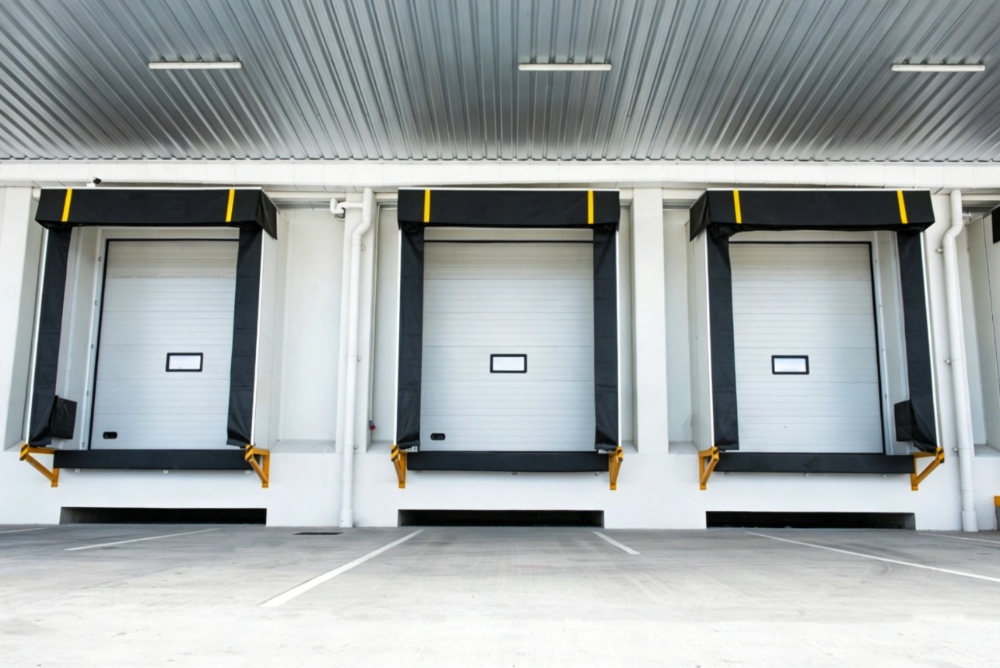
Quale metodo di sigillatura è quindi più efficace in un ambiente di refrigerazione ad alta frequentazione? Una sigillatura a cerniera supera di gran lunga una tradizionale sigillatura a spazzola quando si ha a che fare con temperature sotto zero e traffico costante di carrelli elevatori. Mentre una semplice sigillatura a spazzola può bloccare la polvere leggera in un ambiente asciutto, lascia piccole fessure che permettono all'aria gelida, costosa da conservare, di fuoriuscire continuamente. Le spazzole, inoltre, si schiacciano e si piegano in modo permanente nel tempo. Un sistema a cerniera adotta un approccio completamente diverso. Blocca fisicamente il tessuto resistente nelle guide laterali, creando una parete solida che impedisce completamente lo scambio d'aria. Con l'aumento dei prezzi dell'energia elettrica e i severi controlli sulla sicurezza alimentare che hanno recentemente fatto notizia, non ci si può permettere di lasciare che l'aria fredda fuoriesca dalla propria struttura. GUDESEN Questi modelli di cerniera avanzati sono stati progettati specificamente per risolvere questo preciso problema di temperatura. Passando a questa soluzione, i responsabili degli impianti possono interrompere immediatamente gli sprechi energetici e prevenire la pericolosa formazione di ghiaccio intorno alle trafficate banchine di carico. Analizziamo nel dettaglio le differenze tra questi due modelli nell'uso industriale quotidiano.
Il vero prezzo delle guarnizioni delle porte difettose
Gestire un impianto di congelamento di grandi dimensioni richiede un'enorme quantità di energia ogni giorno. Ogni volta che l'ingresso principale si apre, o se non si chiude ermeticamente al pavimento, i compressori devono lavorare a pieno regime per compensare la perdita di aria fredda. Analizziamo nel dettaglio cosa accade quando le barriere fisiche iniziano a cedere sotto la pressione quotidiana di una fabbrica in piena attività.
Come le perdite d'aria distruggono i tuoi margini di profitto
Una porta con guarnizione a spazzola standard utilizza setole di nylon rigide che sfregano contro il tessuto in movimento per bloccare il vento. Quando è nuova, questa soluzione funziona discretamente per tenere lontani gli insetti in un normale magazzino riscaldato. Tuttavia, in un ambiente gelido, le setole si irrigidiscono e si sgretolano. Quando i carrelli elevatori passano velocemente, la pressione del vento spinge il telo della porta, creando piccole aperture direttamente attraverso le setole. Dopo alcuni mesi di utilizzo intensivo, queste setole si piegano in modo permanente o si staccano completamente. Questo crea una fessura permanente. L'aria calda e umida dall'esterno si precipita all'interno, entrando in contatto con l'aria interna a -25 °C. Questo scambio termico istantaneo crea uno spesso strato di ghiaccio su pavimenti e pareti, rappresentando un grave rischio di scivolamento per i lavoratori.
Per risolvere questo enorme problema di dispersione termica, gli impianti moderni adottano porte avvolgibili termiche completamente sigillate. Invece di affidarsi a spazzole, un sistema a cerniera blocca fisicamente i bordi del telo spesso all'interno delle guide in alluminio. Non c'è alcuno spazio aperto per il passaggio dell'aria. Questa chiusura ermetica garantisce facilmente il livello 3 di tenuta all'aria, secondo gli standard nazionali. I pannelli della porta presentano una struttura isolante a doppio strato con barriere termiche ad alta densità su entrambi i lati e un nucleo isolante ecologico al centro. I dati di fabbrica dimostrano che eliminare questa continua dispersione d'aria può ridurre il consumo energetico complessivo dal 35% all'80% in un solo anno.
Se i vostri compressori non si spengono mai e le bollette elettriche mensili continuano ad aumentare, esaminare i limiti dei vostri attuali ingressi è il primo passo per risolvere il problema dello spreco di energia.
Gestione di macchinari pesanti e incidenti
I conducenti di carrelli elevatori sono sempre di fretta per raggiungere le quote di consegna prima della fine del turno. Quando si combinano macchinari pesanti in rapido movimento con un ingresso stretto e gelido, gli incidenti sono inevitabili. Confrontare il modo in cui diversi sistemi di binari gestiscono un impatto diretto del veicolo rivela un'enorme differenza nei costi di riparazione futuri.
La magia del recupero automatico delle piste moderne
Quando un autista urta accidentalmente una porta tradizionale con bordi metallici o un binario rigido rivestito di spazzole, il forte impatto piega il telaio in alluminio e lacera il tessuto. L'intera linea logistica si ferma immediatamente. Bisogna chiamare un tecnico locale, aspettare ore il suo arrivo e pagare un'ingente tariffa di emergenza solo per far ripartire la porta. Nel frattempo, la carne congelata o le forniture mediche, di valore, rimangono esposte alle alte temperature ambiente, rischiando il deterioramento totale dei prodotti.
Una porta con chiusura a cerniera elimina completamente questo incubo. I lati del telo sono dotati di dentini in plastica resistente che funzionano proprio come una gigantesca cerniera di una giacca. Se un carrello elevatore ad alta velocità urta il tessuto, i dentini fuoriescono semplicemente dalle guide laterali flessibili. Il tessuto si cede invece di strapparsi. Poi, avviene la vera magia senza alcun intervento umano. Il motore rileva l'urto e solleva il telo fino al soffitto. Mentre si arrotola, speciali ruote di guida riportano perfettamente i dentini della cerniera nelle guide laterali. Quando la porta si abbassa, è perfettamente riparata. Questo sistema di ripristino automatico supporta facilmente oltre 150.000 cicli senza problemi ogni singolo anno.
Quando il tuo core business si basa sulla movimentazione di centinaia di pallet congelati al giorno, non ha senso lasciare che un piccolo urto al paraurti blocchi l'intera operazione. Passare ad attrezzature che si autoriparano letteralmente da sole mantiene la catena di approvvigionamento in funzione rapidamente e protegge i tuoi profitti.
Affrontare condizioni meteorologiche estreme e ghiaccio spesso
Le zone gelide spingono i componenti meccanici al limite della loro capacità di resistenza. I motori standard si congelano completamente e le guide di scorrimento tradizionali si trasformano in blocchi di ghiaccio se non sono progettate specificamente per resistere a temperature sotto zero. È necessario disporre di componenti specializzati, progettati per resistere al freddo intenso.
Riscaldamento intelligente e motori velocissimi
Il nemico più grande in un impianto della catena del freddo è l'umidità presente nell'aria. Quando una porta si apre lentamente, l'aria calda e umida incontra l'aria interna gelida, creando condensa che si congela istantaneamente sulle guide laterali metalliche. Se le guide si congelano, la porta si blocca a metà aperta. Un'alta qualità porta per cella frigorifera Questo problema viene affrontato proprio grazie all'utilizzo di dispositivi antigelo riscaldanti integrati. Questi elementi riscaldanti nascosti scorrono direttamente all'interno delle guide, riscaldando delicatamente il metallo quel tanto che basta per impedire la formazione di ghiaccio, anche quando la temperatura ambiente scende a -25 °C.
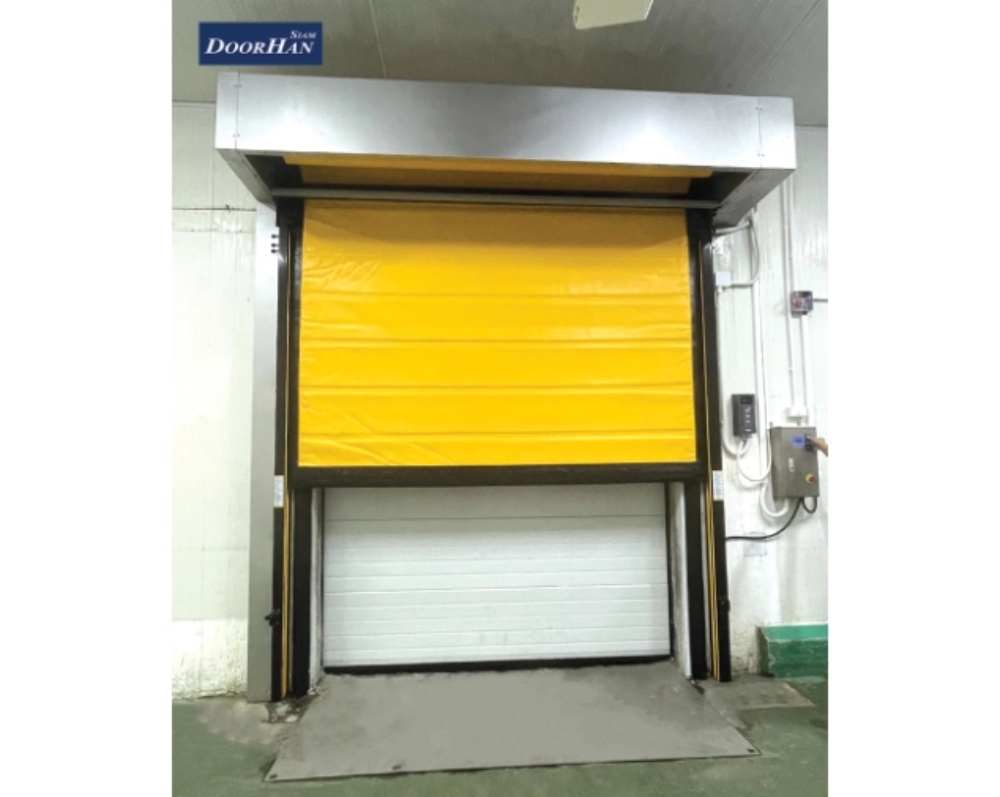
Oltre agli elementi riscaldanti, la velocità è l'arma migliore contro la dispersione di temperatura. Una porta rapida per congelatori di alta qualità utilizza un servomotore specializzato che non si blocca al freddo. Solleva la spessa tenda isolante a una velocità incredibile di 1,6 metri al secondo e la abbassa a 0,5 metri al secondo. Questa rapida azione lascia la porta esposta solo per una frazione di secondo.
Inoltre, le celle frigorifere sono spesso piene di una fitta nebbia a causa delle differenze di temperatura, il che può causare il malfunzionamento dei normali sensori di sicurezza. I modelli di alta gamma utilizzano un sensore fotoelettrico anti-nebbia combinato con un airbag di sicurezza inferiore. Se un operatore attraversa la fitta nebbia, la porta lo rileva e si richiude istantaneamente.
Conclusione
Gestire un centro di surgelati o un deposito per prodotti medicali è incredibilmente costoso quando le proprie attrezzature creano problemi. Affidarsi a guarnizioni a spazzola obsolete e porte metalliche lente vi intrappola in un ciclo infinito di bollette energetiche elevate, prodotti deteriorati e continui ritardi nelle riparazioni. Le spazzole rigide si usurano rapidamente e le guide tradizionali si rompono al minimo urto di un carrello elevatore. Avete bisogno di una barriera fisica che mantenga effettivamente il freddo all'interno, resistendo al contempo all'usura quotidiana dovuta al traffico industriale. Un sistema di cerniere riscaldate e autoriparanti risolve completamente questi problemi operativi. Si apre all'impatto, si ripristina automaticamente e previene la formazione di ghiaccio anche nei congelatori più profondi. È ora di smettere di sprecare denaro con una porta che perde. Se siete pronti a stabilizzare le temperature del vostro magazzino ed eliminare i tempi di inattività per le riparazioni, contattare GUDESENdi esperti tecnici oggi. Vi aiuteremo a creare un ambiente per la catena del freddo più intelligente e sicuro.
Domande frequenti
D: Una porta con chiusura a cerniera può resistere all'impatto diretto di un carrello elevatore?
A: Sì, la tenda esce semplicemente dal binario e si riposiziona automaticamente mentre si arrotola verso l'alto.
D: Una porta per celle frigorifere consente di risparmiare sulla bolletta elettrica?
A: Assolutamente. La sua tenuta ermetica e il movimento rapido possono ridurre la perdita di energia dovuta al congelamento dal 35% all'80%.
D: In che modo una porta rapida per congelatore impedisce la formazione di ghiaccio?
A: Utilizza dispositivi antigelo riscaldanti nascosti all'interno dei binari per impedire la formazione di ghiaccio in ambienti con temperature sotto zero.