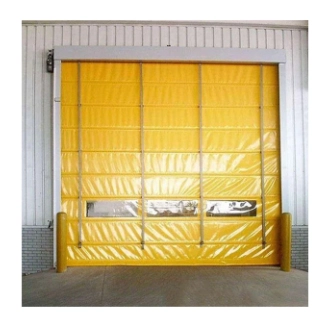
Design & Performance Specifications
Structural Resilience
Wind Load Rating: Standard 55kg/m² with 1.4 safety coefficient, achieving maximum designed capacity of 77kg/m²
Ascent Velocity: Approximately 6 meters per minute (customizable based on door dimensions)
Material Engineering
Curtain fabric featuring superior anti-aging properties and exceptional abrasion resistance
Enhanced thermal insulation through dual-layer curtain construction
Premium sealing system ensuring optimal environmental separation
Engineering Design
Operational Mechanism
Primary lifting system utilizing vertical curtain elevation technology
Segmented curtain configuration with parallel horizontal dual-layer stacking
Inter-curtain spacing ranging from 300mm to 700mm for optimal performance
Curtain Composition
Dual-sided industrial belting combining high-polymer biaxial woven fabric with PVC composite coating
Reinforcing framework incorporating structural steel beams and aluminum profile fasteners
Weight-optimized design maintaining wind resistance while ensuring smooth operation
Wind Resistance Principle
Wind forces transfer sequentially: curtain surface → reinforcement framework → building steel structure → ground foundation
Power & Control Systems
Drive Unit
Control Integration
Safety & Protection Systems
Emergency Response
Structural Integrity
Sealing Technology
Advanced Safety Features
Obstacle Detection & Prevention
Infrared photoelectric sensors positioned along door perimeter
Automatic reversal upon detecting personnel, equipment, or obstructions
Emergency Protocols
Instant motor shutdown upon overload detection
Manual emergency stop for immediate power disconnection
Multi-layered protection system ensuring operational security
Dual Wind Resistance System
Redundant load distribution technology
Multi-point lifting mechanism for enhanced stability
Comprehensive anti-fall protection throughout system architecture
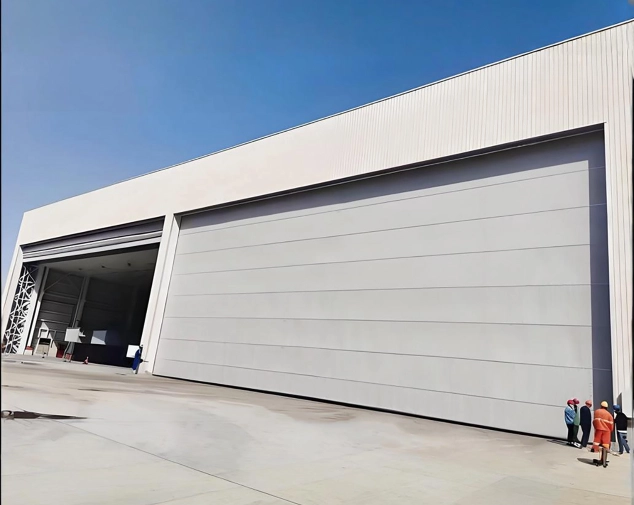
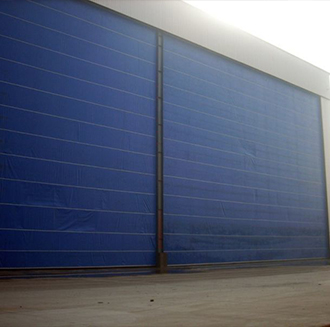
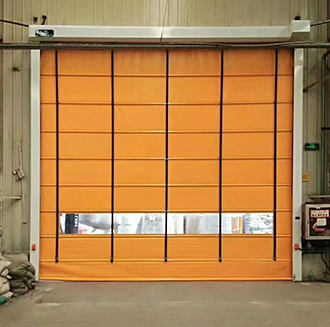
Aviation Flexible Access Door – Product Features and Advantages
Outstanding Engineering Design and Performance Advantages
1. Professional-Grade Wind Resistance System
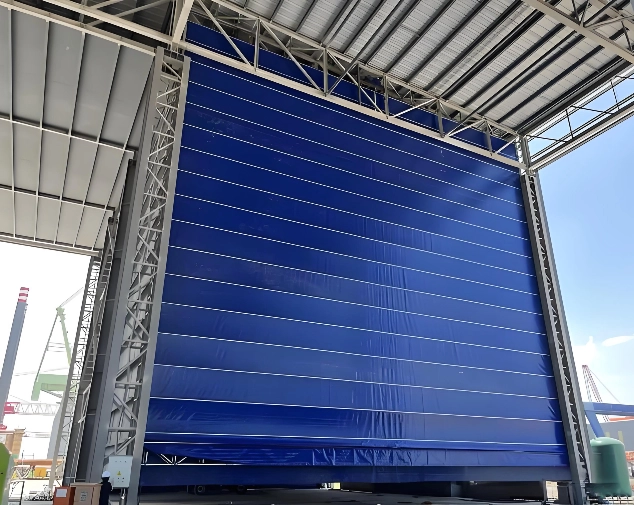
The Aviation Flexible Access Door features a unique dual-layer wind resistance structure design. With a standard load capacity of 55kg/m² and a safety factor of 1.4, it achieves a maximum designed wind pressure of 77kg/m². These performance specifications ensure reliable protection for aircraft within hangars during extreme weather conditions. The scientifically engineered wind pressure transmission path follows: curtain surface → reinforcement rib structure → building steel framework → ground foundation, ensuring effective force distribution.
2. High-Efficiency Operation and Precise Control
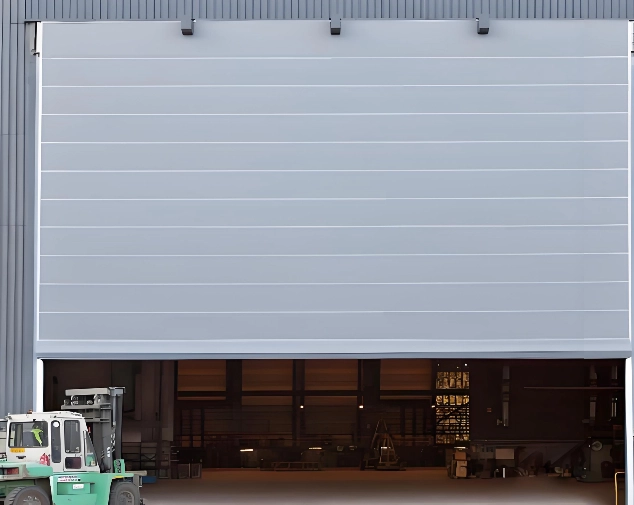
The system is equipped with a motor assembly specifically designed for flexible doors, integrated with reducer and braking systems to ensure smooth and reliable operation. The approximately 6 meters per minute lifting speed can be optimized according to actual door dimensions, enabling rapid and efficient passage access. The unified control box integrates both motor control and overload protection systems, offering simple operation and convenient maintenance.
3. Advanced Multi-Layer Safety Protection System
Our flexible door incorporates multiple safety mechanisms:
Automatic Anti-Drop System: Immediately activates when hoisting straps experience unexpected breakage, effectively preventing door descent
Multi-Sensor Protection: Infrared photoelectric sensors continuously monitor the perimeter, stopping and reversing operation upon detecting obstacles
Emergency Braking Mechanism: Braking system automatically engages during power interruptions, preventing uncontrolled curtain slippage
Structural Safety Redundancy: Hoisting strap design strength is 5 times the operational load, ensuring safety under extreme conditions
4. Optimized Material and Structural Design
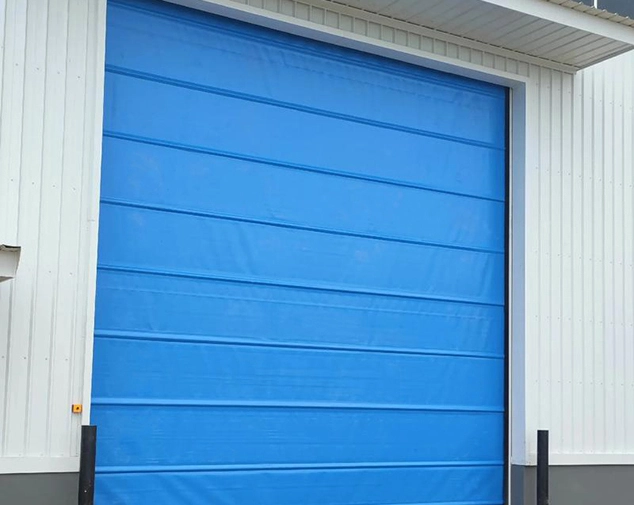
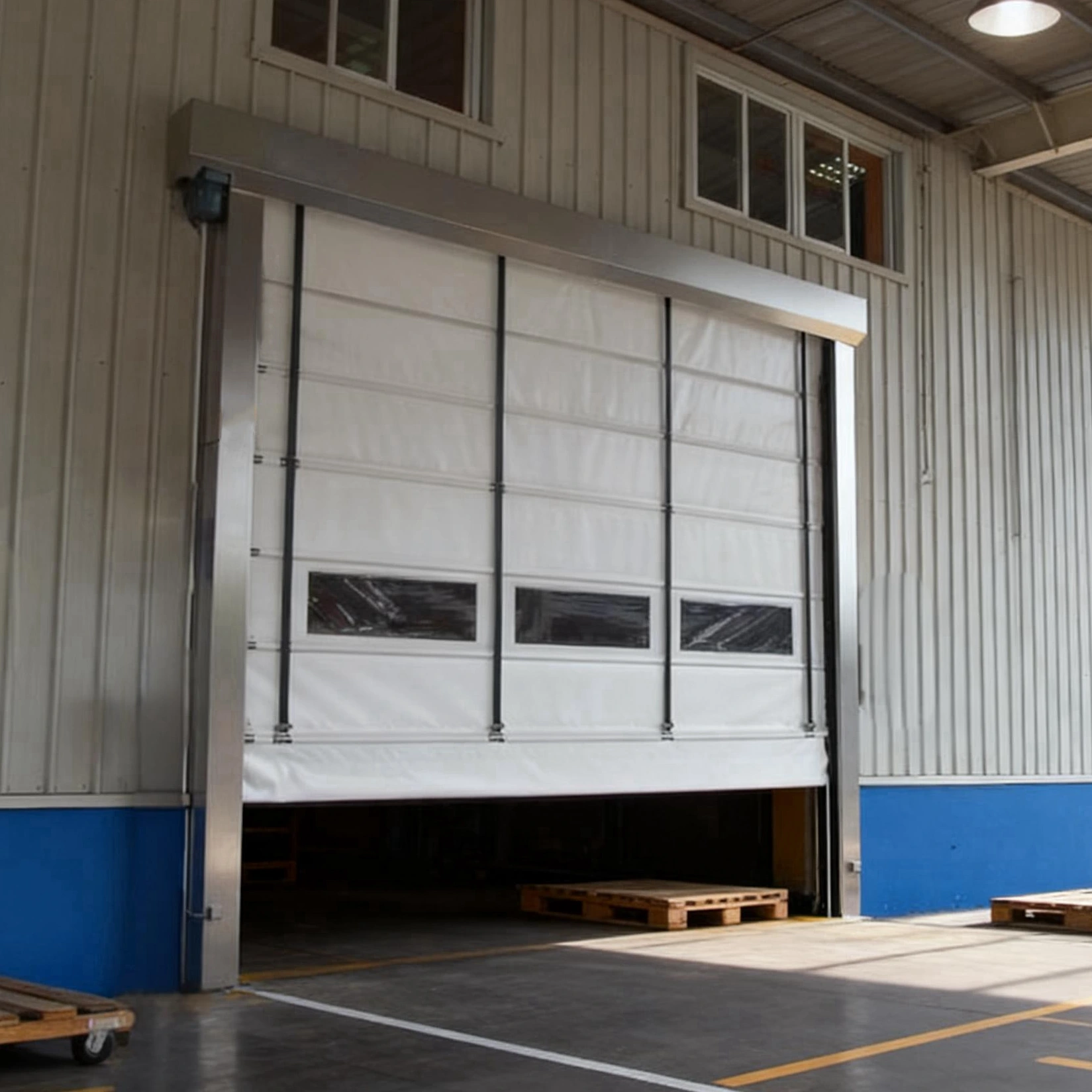
The door curtain utilizes a dual-sided industrial belt structure, combining high-polymer fiber biaxial woven fabric with PVC composite coating, supported by a reinforcement rib system. This innovative composite structure maintains wind resistance strength while significantly reducing overall weight, enabling lighter and more efficient operation. The materials themselves possess excellent anti-aging and wear-resistant properties, extending product lifespan.
5. Superior Sealing and Thermal Insulation Performance
Brush-type sealing technology ensures tight integration between the door curtain and sliding columns, effectively preventing air exchange and temperature loss. The dual-layer curtain design provides additional thermal insulation, significantly improving internal hangar temperature stability, reducing energy consumption, and creating an ideal environment for aircraft maintenance.
6. Reliable Dual-Layer Wind Resistance and Multi-Point Lifting System
Innovative parallel horizontal dual-layer stacking design maintains a reasonable 300-700mm spacing between curtains, creating an effective wind pressure buffer zone. The multi-point lifting system ensures stable door operation under strong wind conditions, preventing localized stress concentration and extending system service life.
7. Intelligent Maintenance and Operational Advantages
Modular Design: Facilitates installation, maintenance, and component replacement
Self-Diagnostic Function: Control system monitors operational status and provides maintenance alerts
Adaptive Adjustment: Operational parameters can be optimized based on different climate conditions and usage frequency
Low Maintenance Requirements: Durable materials and precision manufacturing reduce routine maintenance workload
Practical Application Value
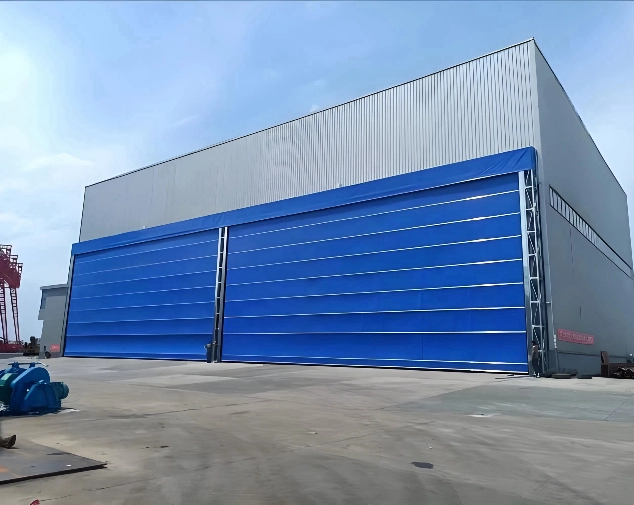
The Aviation Flexible Access Door not only meets basic access requirements but also provides comprehensive value enhancement for aviation operations: through reduced energy consumption, lower maintenance costs, enhanced safety protection, and improved operational efficiency, our product helps clients achieve long-term economic benefits and operational optimization. Both commercial aviation hubs and military aircraft hangars can benefit from our professional solution.