




كيف ينجو الباب السريع التلقائي من PVC من ضربات الرافعة الشوكية؟
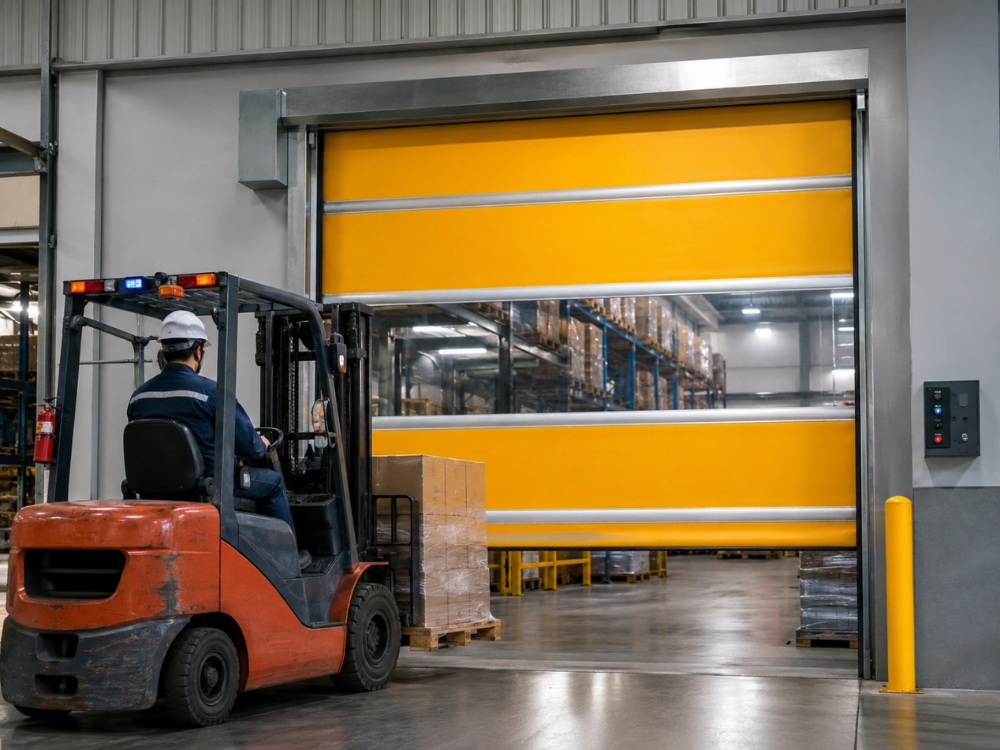
كيف تنجو فعلا من الحادث؟ يبقى على قيد الحياة عن طريق الاستسلام بدلا من القتال. عندما تحطم رافعة شوكية ثقيلة عن طريق الخطأ بباب سريع من PVC تلقائيًا ، لا ينحني النسيج المرن أو يتحطم أو يتحطم. بدلًا من ذلك ، تخرج حواف الستار ببساطة من مساراتها الجانبية العمودية. يحدث هذا لأن النظام يستخدم حافة مرنة تشبه السحابة بدلا من بكرات الصلب الصلبة. في اللحظة التي ينتهي فيها الاصطدام، يحدث السحر. يدور المحرك ويسحب الستار المنفصل للأعلى. مع تدور النسيج في السكن العلوي ، تجبر مجموعة من عجلات الدليل الخاصة حواف السحاب بشكل مثالي على العودة إلى المسارات. بحلول الوقت الذي يعود فيه الحاجز إلى الأسفل ، فإنه ثابت تمامًا. أنت لا تحتاج إلى مفتاح ، ولا تحتاج إلى الاتصال بميكانيكي ، وسائق الرافعة الشوكية الخاص بك لا يحتاج إلى الذعر. هذا الاستجابة المباشرة للتأثيرات العرضية تغير تماما كيفية تعامل مراكز اللوجستيات المزدحمة مع أخطاء المرور. بدلا من التعامل مع الألواح المعدنية المكسورة وساعات من الشحنات المتوقفة ، يستمر مستودعك في التحرك بسلاسة. دعونا ننظر عن كثب إلى كيفية استبدال هذا المدخل الصعب والذي يشفى ذاتياً النماذج الفولاذية التقليدية في أكثر المناطق الصناعية ازدحاماً.
الميكانيكا وراء استجابة التأثير
يبدو من المستحيل تقريباً أن تصدق أن ورقة قماش رقيقة يمكن أن تأخذ ضربة مباشرة من آلة تزن آلاف الرطل دون تمزيقها. السر يكمن بالكامل في التخلي عن الطريقة القديمة لبناء المسارات. أنظمة المتداول القياسية القديمة تقفل اللوحة بقوة في دليل الصلب الصلب ، مما يعني أن أي صدمة صلبة تنقل صدمة هائلة ومدمرة إلى الإطار بأكمله.
الحافة السحابة Breakaway
غالبا ما تعتمد الستارة الأساسية على قضبان الرياح أو المقاطع المعدنية للبقاء في مكانها. الباب السريع السحاب الحقيقي يعمل بشكل مختلف تمامًا. تتميز جوانب النسيج الصناعي السميك - عادة حوالي 0.8 مم إلى 1.2 مم سميكة - بأسنان بلاستيكية POM ثقيلة. هذه تتصرف تماما مثل سحاب سترة عملاقة. هذه الأسنان تنزلق بهدوء داخل مسار الألومنيوم الناعم. عندما يخطئ السائق في تقدير منعطف حاد وتضرب السيارة الستار ، فإن الضغط المادي يجبر الأسنان البلاستيكية على الانزلاق خارج القناة. المادة تتسلم على الفور إلى الآلة الثقيلة. لأن النسيج يترك الطريق دون مقاومة ، لا تتعرض الرافعة الشوكية الغالية ولا إطار باب الألومنيوم لأي ضرر هيكلي خطير.
دورة الصعود الذاتي الشفاء
الخروج من المسار هو في الواقع نصف العملية فقط. الفائدة المالية الحقيقية هي كيف يضع باب الاسترداد السياري نفسه مرة أخرى دون مساعدة بشرية. بعد أن تعود الشاحنة بعيداً عن الاصطدام، يكتشف صندوق التحكم الإلكتروني أن الستار خارج مكانه. فإنه على الفور يشغل المحرك العلوي للانخراط ، وسحب النسيج المزروع للأعلى. داخل الصندوق العلوي، زوج من عجلات إعادة تعيين ذات زاوية خاصة يلتقط أسنان السحاب. مع تدور الستار فوق هذه العجلات ، فإنها تغذي الأسنان بسلاسة مرة أخرى إلى المسارات الجانبية. في بضع ثوان فقط، يعيد تعيين الحاجز نفسه.
بمجرد أن يدرك مدراء المرافق أنهم ينفقون المزيد من المال باستمرار لإصلاح المسارات المعدنية المنحنية أكثر من تكلفة الستار نفسه ، يصبح التحول إلى نموذج إصلاح ذاتي خيار مالي واضح جدا لوقف نزيف المال على الصيانة.
الصرف المالي الخفي للمدخلات الصلبة
العديد من أصحاب المصانع يلتزمون بالبوابات المعدنية الأساسية ببساطة لأنها تبدو أرخص في الوجهة الأولى. فهم يدركون السعر الحقيقي لهذا القرار فقط عندما يصطدم سائق متعب حتماً بمرفأ التحميل في بعد الظهر المزدحم. دعونا نقسم ما يحدث فعلا لميزانية التشغيل الخاصة بك عندما تأخذ مدخل جامد ضربة مباشرة.
تدفق حركة المرور المشوه: مسار معدني منحني يجمد الباب بأكمله في مكانه. يجب على رافعات المنصات وشاحنات التسليم إعادة توجيهها إلى الجانب الآخر من المبنى للخروج. هذا يدمر تماما جدول التحميل اليومي الخاص بك ويجبر موظفيك على العمل ساعات إضافية للوصول.
فواتير الإصلاح الضخمة: لا يمكنك فقط تقطيع الصلب السميك مرة أخرى في مكانه باليد. عليك دفع أسعار ساعة عالية للفنيين الخارجيين لقطع الأقسام المعدنية المكسورة ولحام المسارات الجديدة. في بعض الأحيان يستغرق هذا أسابيع إذا كانت شركة الإصلاح تفوت الأجزاء المناسبة.
تدمير التحكم في المناخ: بينما يجلس باب جامد مكسور عالق في منتصف الطريق مفتوحًا ، فإن تكييف الهواء المكلف أو الهواء المتجمد في التخزين البارد يتدفق مباشرة إلى موقف السيارات. هذا يجبر ضاغطاتك على العمل باستمرار ، مما يدفع فاتورة الكهرباء عبر السطح.
إذا كانت ميزانية الصيانة الخاصة بك تستنزف باستمرار عن طريق استبدال الألواح المعدنية المكسورة ، فأنت تدفع أساسا للتكنولوجيا القديمة مرارا وتكرارا. ترقية المبنى الخاص بك مع مرنة باب مقاوم للصدمات يوقف دورات الإصلاح المتكررة هذه بالكامل ، مما يبقي سير عملك يتحرك دون تلك الانقطاعات اليومية المحبطة.
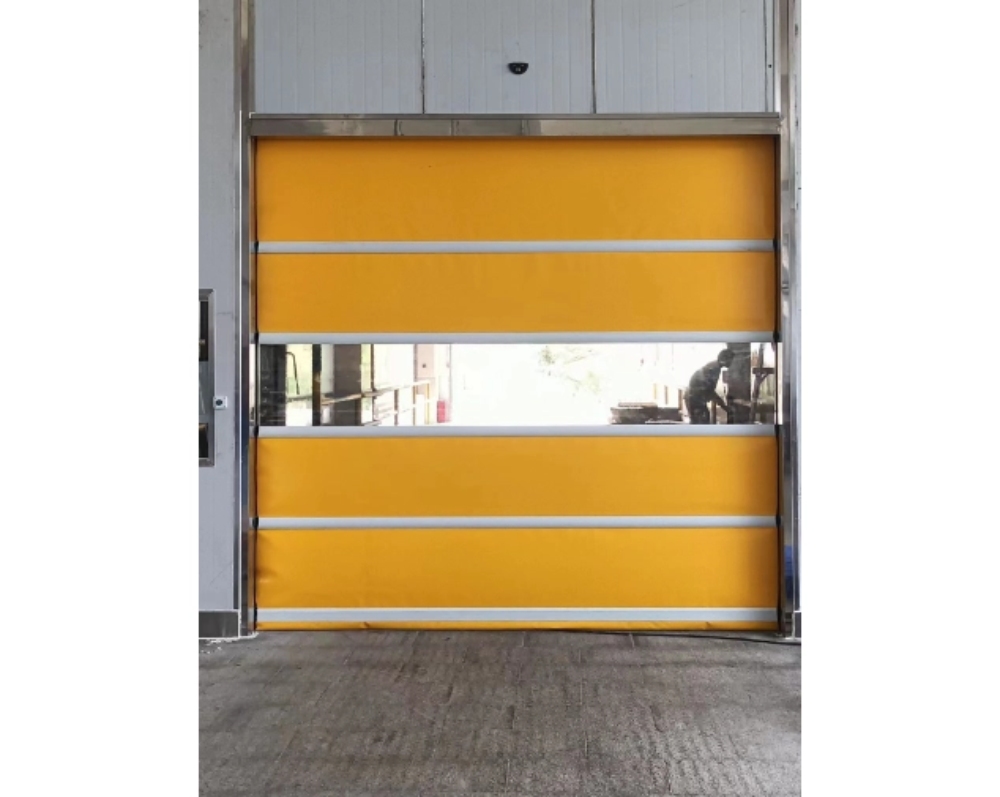
أجهزة استشعار السرعة والسلامة تعمل معاً
إن البقاء على قيد الحياة دون ضرر أمر رائع، ولكن تجنب الحادث في المقام الأول هو دائما الهدف الأكثر ذكاء. تحتاج مراكز اللوجستيات المزدحمة إلى حواجزها للتخلص تماما من الطريق قبل فترة طويلة من اقتراب المركبة المتحركة. هذا يتطلب توازنا دقيقا بين سرعة المحرك الخام وأجزاء الكشف الإلكتروني الاستجابة للغاية.
حركة أسرع تقلل من منطقة الإضراب
السبب الرئيسي في أن الحواجز التقليدية للمستودعات تتعرض للضرب هو ببساطة أنها بطيئة للغاية. يحصل السائق على عدم الصبر ويحاول ضغط السيارة من خلال قبل أن يتم رفع اللوحة بالكامل إلى السقف. باب عالي السرعة ممتاز يزيل تماما هذا الاختناق. تعمل على محرك سيرفو قوي من 0.75 كيلوواط إلى 2.2 كيلوواط ، يمكن لهذه الوحدات الوصول إلى سرعات فتح لا تصدق تتراوح بين 1.2 إلى 2.0 متر في الثانية. بحلول الوقت الذي تصل فيه الرافعة الشوكية إلى العتبة ، فإن المسار مفتوح بالفعل تمامًا. كلما تخرج الحاجز عن خط الرؤية بسرعة، كلما كانت فرصة حدوث اصطدام عرضي أقل.
حماية الأشعة تحت الحمراء النشطة والرادار
حتى مع المحركات السريعة المشتعلة ، يجب على أنظمة السلامة مراقبة مساحة الأرض باستمرار. وتأتي الوحدات الحديثة مجهزة بأجهزة استشعار ضوئية تحت الحمراء القياسية الموجودة بالقرب من الأرض. إذا أسقط عامل صندوقًا في الباب ، فإن شعاع الضوء الغير مرئي ينكسر ، وسترتد الستارة على الفور مرة أخرى. علاوة على ذلك، تضيف العديد من المرافق المزدحمة أجهزة استشعار رادار الميكروويف التي تكتشف حجم وسرعة الاقتراب من الأجسام المعدنية على بعد عدة أمتار. إذا تحركت شاحنة سريعة نحو الفتحة ، يكتشفها الرادار مبكراً ويشغل المحرك على الفور.
الحفاظ على أمان أرضية المصنع مع الحفاظ على وتيرة التعبئة السريعة يتطلب هذه الميزات الأمنية المتداخلة ، مما يدفع مدراء اللوجستيات إلى الانتقال أخيرا إلى أبواب سلسلة السحب اليدوية الأساسية.
العثور على المناسبة المناسبة لمناطق حركة المرور الثقيلة
ليس كل ممر أو رصيف تحميل في مصنعك يتطلب نفس قطعة المعدات بالضبط. يجب أن تتطابق الخصائص المادية للمدخل مع عبء العمل اليومي الفعلي الذي سيواجهه من موظفيك. اختيار النموذج المناسب يعني النظر عن كثب في عدد المرات التي يتحرك فيها فريقك البضائع ذهابا وإيابا في كل نوبة.
استدامة عالية الحجم: بالنسبة لممرات التوزيع الرئيسية حيث تمر المركبات مئات المرات في اليوم ، فإن آلية السحاب غير قابلة للتفاوض. لأنها تفتقر إلى المفاصل المعدنية الثقيلة والمفاصل الصلبة ، فإن هذه النماذج المدفوعة بالسيرفو موثوقة بشكل لا يصدق. تظهر اختبارات المصنع أنها تتعامل بسهولة مع أكثر من مليون دورة فتح ، مع تشغيل بعضها بسلاسة تصل إلى خمسة ملايين مرة في تطبيقات العالم الحقيقي.
غرف نظيفة ومراقبة: إذا كنت تصنع المنتجات الغذائية أو الإمدادات الطبية ، فأنت بحاجة إلى ختم مطلق لوقف التلوث. القبض الضيق لحافة السحابة المستمرة يمنع الغبار والروائح القوية والحشرات الطائرة بشكل أفضل بكثير من ختمات الفرشاة الصلبة القياسية. يخلق جدار صلب ضد الأوساخ الخارجية.
عندما تعتمد أعمالك الأساسية على معالجة المواد باستمرار ودون انقطاع ، يصبح مدخل بطيء أو بسهولة التلف عنق زجاجة خطيرة. البحث عن موثوق باب سريع PVC التي تناسب أبعاد الممر المحددة الخاصة بك هي الخطوة الأولى المطلقة نحو بناء شبكة لوجستية فعالة حقا.
استنتاج
في كل مرة تضرر فيها رافعة شوكية بوابة معدنية ثقيلة ، تنزف أعمالك المال من خلال فواتير الإصلاح الغالية ، وفقدان الطاقة ، وتوقف الشحنات. الاعتماد على حواجز جامدة قديمة ببساطة لا يعمل في بيئة مستودع حديثة حيث السرعة هي الأكثر أهمية. إنهم ينحنون، ويتعلقون، ويجبرون فريق التعبئة والتغليف بأكمله على الوقوف في الانتظار. تحتاج إلى نظام مصمم لمغافرة الأخطاء البشرية والحفاظ على سلسلة التوريد تتحرك. باب بكرة PVC ذاتية الإصلاح يترك الطريق عند التأثير ويعيد تعيين نفسه على الفور ، مما يوقف الدورة اللانهائية للصيانة الطارئة. حان الوقت لحماية ميزانيتك وسير عملك بشكل دائم. إذا كانت مدخلاتك الحالية تبطئ شاحنات التسليم الخاصة بك وتسبب مخاطر السلامة، استكشاف الحلول الصناعية المخصصة في غوديسن. الاتصال فريقنا التقني ، ودعنا نساعدك في تصميم مدخل أكثر ذكاءً وصعوبة لمرفقك اليوم.
الأسئلة الشائعة
س: هل يمكن للباب حقا إصلاح نفسه دون أي أدوات يدوية؟
ج: نعم، الستار ببساطة ينبثق عندما يضرب ويرجع إلى المسار الجانبي تلقائيا كما يتدحرك للأعلى.
س: كم سرعة فتح باب الاسترداد للسيارات للرافعات الشوكية؟
ج: يفتح بسرعة كبيرة ، ويصل إلى سرعات تصل إلى 2.0 متر في الثانية للسماح للمركبات الثقيلة بمرور دون الانتظار.
س: هل باب السحاب السريع جيد لوقف الغبار والبق؟
ج: بالتأكيد. يوفر ختم السحاب الضيق حماية ممتازة ضد الغبار والحشرات وتسرب الهواء في البيئات النظيفة.