




Why Is Color Steel More Reliable Than Galvanized Iron for Coastal Industrial Sites?
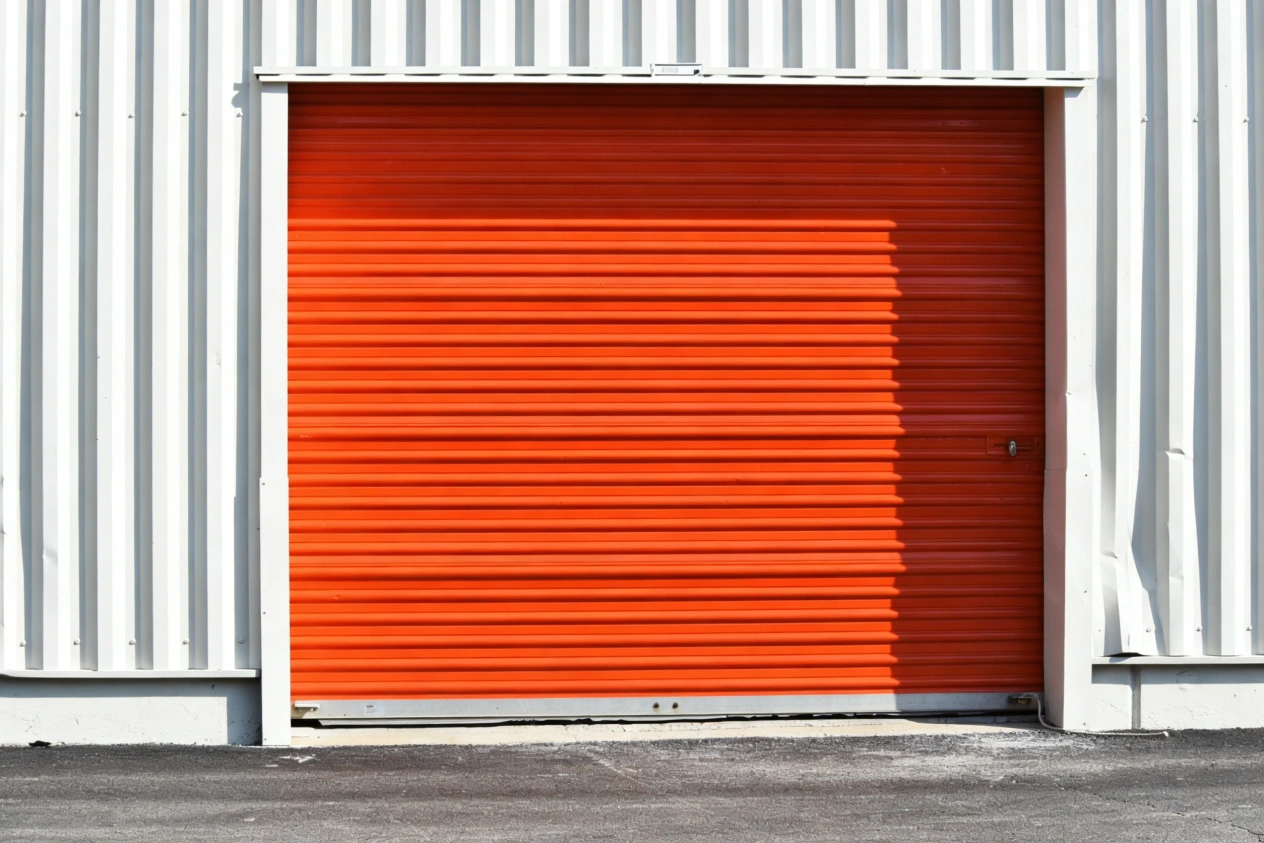
Imagine standing on the balcony of a warehouse overlooking the ocean. The view is beautiful, but for a facility manager, that salty breeze is a nightmare. In recent times, severe weather has struck shoreline industrial regions from the Philippines to the Gulf more often. Traditional metal barriers once seemed sufficient. However, the fact remains that the dense salt-laden atmosphere and elevated moisture levels destroy low-quality fittings quietly. If you have observed a storage barrier coated in unattractive reddish corrosion after only one period, you understand this issue well. Picking the proper substance goes beyond appearance now. It concerns endurance. In this discussion, we examine why the current color steel door surpasses the conventional galvanized iron in the harshest settings worldwide.
The Salt Air Problem: Why Raw Galvanized Iron Fails Early
Shoreline locations prove harsh on metallic materials. Salt mixes with dampness and warmth to form a reaction that erodes basic coverings more quickly than many expect. In a common factory environment, a barrier opens many times daily. This exposes all edges and corners to the damaging mixture. Although galvanized iron served as the common choice for years, it lacks the design for today’s constant coastal operations.
Basic galvanized iron depends on a slim zinc covering to shield the underlying metal. Yet in shoreline conditions, this zinc functions as a temporary guard. As the salty wind begins its effect, the zinc vanishes. Then, the bare iron stands exposed. After a few months, the barrier’s sides begin to chip. This problem exceeds surface damage. Once corrosion takes hold, the barrier’s strength vanishes. For this reason, operators seek a sturdier corrosion-resistant door that endures the salt exposure without deteriorating.
The Hidden Weakness of Traditional Zinc Coatings
Many ordinary galvanized barriers in small outlets feature a minimal shielding layer. When fitting a coastal industrial door, surface gloss alone falls short. Standard galvanized iron usually misses the advanced outer layers required to stop chloride particles from the sea. Without such additions, the material develops white corrosion, a flaky buildup that marks the start of failure for your setup.
The Multi-Layer Defense of a Color Steel Door
So, what makes color steel different? It’s not just a fancy name for painted metal. At GUDESEN, our color steel doors are built with a sophisticated multi-stage coating process. We start with a high-quality steel base, usually between 0.35 mm and 0.45 mm thick, then apply a series of protective layers including a primer and a high-performance topcoat. This creates a barrier that salt simply can’t penetrate.
This “color” isn’t just for show; it’s a fluorocarbon powder coating that acts like a shield. Think of it like the difference between a plain t-shirt and a high-end raincoat. One gets soaked and heavy, while the other lets the water slide right off.
High-Quality Surface Treatment That Blocks Corrosion
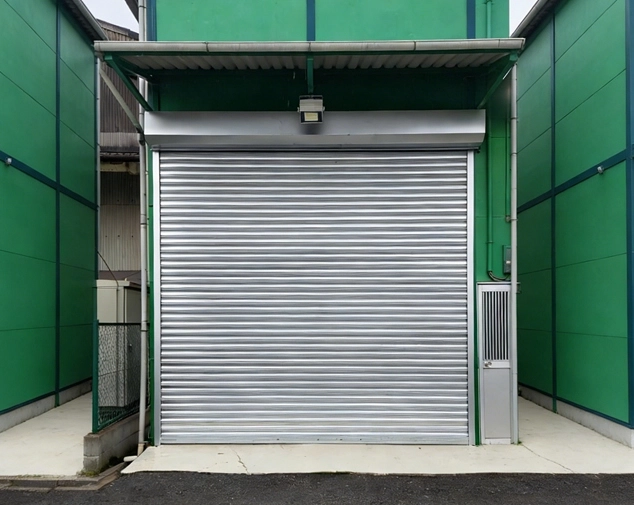
The key element appears in the heating procedure. Unlike regular paint prone to flaking, the finish on a color steel door adheres through high-heat application. This secures a lasting connection. When discussing a corrosion-resistant door, this capacity to resist acids, bases, and salts without blistering or splitting comes to mind. Simple galvanized iron cannot achieve this degree of safeguarding.
Standing Strong Against Storms with a Wind-Resistant Door
Coastal areas not only experience salt spray but also strong winds. In storm periods, a weak barrier might detach from its guides due to wind force. This could lead to the whole storage structure failing. Therefore, build quality matters as much as the chosen material. A mere thin metal panel proves inadequate. A full setup must maintain stability and endure substantial air pressure.
GUDESEN’s turbine hard doors are tested to resist winds up to level 12, which is incredible for an industrial lifting door. Even our simpler color steel models can be equipped with encrypted windproof rods to boost their rating to level 5 or 6. We use hot-dip galvanized steel for the tracks and internal components to ensure that even the “bones” of the door are protected. When a storm hits, having a wind-resistant door gives you the peace of mind that your inventory and your staff are safe inside.
Structural Integrity in High-Wind Environments
A door is only as strong as its weakest hinge. In our industrial lifting door designs, we focus on the hardware. We use reinforced hinges and 2.0 mm thick cold-rolled steel for the doorframes. By combining these heavy-duty parts with the flexible strength of color steel panels, the door can “flex” slightly under wind pressure without breaking or deforming permanently.
Thermal Efficiency and the Insulated Rolling Door
Shoreline factory districts often deal with intense dampness and warmth. If your storage holds perishables, medicines, or sensitive devices, managing heat proves essential. A plain metal barrier functions like a large conductor. It draws external warmth inside nonstop. This drives up cooling expenses sharply. It also risks spoiling items.
This is where the insulated rolling door becomes a game-changer. GUDESEN’s panels are typically 40 mm to 50 mm thick and filled with high-density polyurethane foam. This “sandwich” structure does two things: it makes the door incredibly stiff (which helps with wind resistance) and it provides a massive thermal break. The color steel skin reflects the sun’s UV rays, while the foam core keeps the heat out. In the long run, the energy savings from a high-quality insulated rolling door often pay for the door itself within a couple of years.
Keeping Temperatures Stable in Humidity
High humidity can cause condensation inside a warehouse, leading to mold and equipment damage. By using an insulated rolling door, you create a tighter seal. Our doors feature double-layer brush seals and elastic PVC bottom strips that adapt to uneven floors. This doesn’t just keep the heat out; it keeps the moisture and dust out too, maintaining a clean and stable working environment.
Choosing the Right Industrial Lifting Door for Your Facility
Every factory is different. Some have massive openings for aircraft hangars, while others just need a small door for a loading dock. The beauty of the modern industrial lifting door is its flexibility. You can choose how the door opens based on your available space—whether it’s a standard lift that turns along the roof or a vertical lift for warehouses with high ceilings.
At GUDESEN, we don’t believe in “one size fits all.” If your site has irregular openings or specific space limits, our team adjusts the dimensions to fit perfectly. Whether you are looking for a simple color steel door for a small shop or a massive industrial lifting door for a logistics park, the focus remains the same: durability, speed, and safety. We even offer various motor options, like the Pioneer motor, which can handle dozens of openings per day without breaking a sweat.
Tailored Solutions for Non-Standard Openings
If you have limited headroom, we can use a low-headroom dual-track system. If you have plenty of vertical space, a vertical lift is the way to go. This level of customization is why GUDESEN is a trusted partner for B2B clients globally. We provide installation videos and remote support to ensure your coastal industrial door is set up correctly the first time.
Conclusion
Upon considering the alternatives, the decision stands evident. Galvanized iron may cut initial spending slightly. However, the concealed expenses from decay, power waste, and storm damage render it unsuitable for shoreline locations. A quality color steel door delivers a full set of benefits. It serves as a corrosion-resistant door that counters salt, a wind-resistant door that endures gales, and an insulated rolling door that lowers utility costs. At GUDESEN, we have devoted years to refining our industrial lifting door methods to fulfill worldwide transport and production needs. Avoid delaying until corrosion shows on your existing system. Selecting the proper coastal industrial door now ensures a more secure and productive future.
If you’re ready to upgrade your facility or need a custom quote for your next project, contact us today. Our technical experts are ready to help you find the best door solution for your specific environment.
FAQs
Q: Is a color steel door much more expensive than a galvanized one?
A: The initial cost is slightly higher, but it lasts years longer in coastal areas, saving you money.
Q: Can these doors handle actual typhoon-force winds?
A: Yes, our turbine hard doors are rated for Level 12 winds, specifically for storm-prone coastal zones.
Q: Does the color on a color steel door fade quickly in the sun?
A: No, we use fluorocarbon powder coatings that are highly resistant to UV rays and color fading.