




Why Are Electric Roller Shutters Stuck
Electric roller shutters add convenience and security to your home or business, but nothing frustrates more than when they jam up and refuse to budge. You hit the remote, hear a faint whir, and then silence. This common headache disrupts daily routines, whether you’re trying to open your garage in the morning rush or secure a shop after hours. Stuck shutters often stem from simple issues like dirt buildup or worn parts, but pinpointing the cause saves time and money. As someone who’s spent years diving into automatic door systems, you might find relief in proven solutions from trusted sources. For instance, exploring high-quality options like those at Yingli Automatic Door can prevent these glitches altogether. Their range covers durable designs built for smooth performance, with details on products at their products page, real-world installations on project examples, company background at about us, updates via news, and easy reach through contact. Stick around as we break down causes, fixes, and ways to keep things rolling without a hitch.
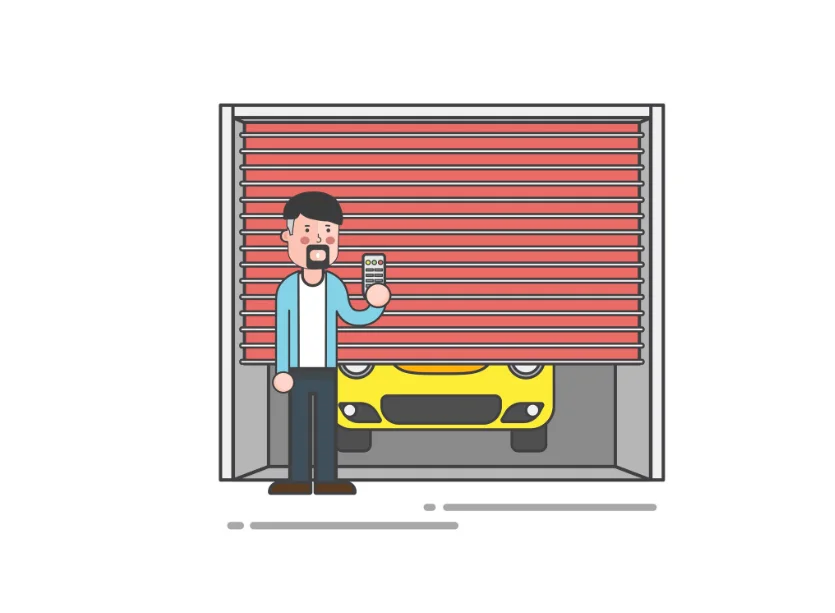
What Causes Electric Roller Shutters to Get Stuck?
Before jumping into repairs, grasp why your shutters seize up in the first place. Often, everyday wear combines with environmental factors to create these snags, turning a quick open or close into a battle. Knowledge from industry specs, like those in roller shutter guides, points to common culprits that affect even sturdy aluminum alloy models.
Debris and Dust Accumulation
Dirt sneaks into tracks over time, especially in windy areas or busy garages. Think about how sand from coastal spots or workshop sawdust piles up, gumming the rollers. This blocks smooth movement, much like how unmaintained windproof pipes in aluminum shutters lose their edge against elements.
Faulty Motor Components
Motors power the whole system, but they falter from overuse or age. A 0.75KW servo motor, common in high-speed setups, might overheat if run nonstop, leading to stalls. Voltage mismatches, say between 220V and actual supply, exacerbate this, echoing problems in electric rolling door cases.
Misaligned Guide Tracks
Tracks guide the shutters, but impacts bend them out of shape. Stainless steel rails, thick at 1.2mm, resist some abuse, yet repeated bumps from vehicles misalign them. This creates friction points, halting operation just like in warehouse installations where carts frequently pass.
How Can You Diagnose a Stuck Electric Roller Shutter?
Diagnosis starts with basic checks to isolate the issue without tearing everything apart. Safety first: unplug power before poking around. Draw from real scenarios, such as those in customer stories where quick tests revealed simple fixes in aluminum alloy doors.
Visual Track Inspection
Look along the guide rails for bends or buildup. Spot any debris in the 12.5cm wide tracks typical for doors under 4000mm? Clear it out to see if that frees things, similar to how transparent curtains in fast rolling doors get checked for cracks.
Remote Control Testing
Press buttons and listen for motor response. If nothing happens, swap batteries or test the signal. Remote controls in electric setups, like those with geomagnetic induction, often fail from weak connections, a frequent gripe in logistics park applications.
Power Supply Check
Verify voltage at the outlet matches specs, around 220V for most motors. Loose wires or tripped breakers cut power, mimicking issues in industrial sliding doors where pioneer motors demand steady 20cm/s speeds.
What Simple Fixes Can Unstick Your Shutters?
Many jams resolve with hands-on tweaks, no tools required beyond basics. Roller shutter docs highlight how modular designs make this easy, letting you avoid costly calls. Start small and test after each step.
Clearing Obstructions Manually
Gently pull debris from tracks using a soft brush. For stubborn bits, vacuum along the brush seals that prevent dust in double-layer setups. This mirrors cleaning windproof strips in stacking doors, restoring flow without force.
Lubricating Key Parts
Apply silicone spray to rollers and hinges sparingly. Avoid overdoing it, as excess attracts more grime. In turbine hard doors, aluminum hinges benefit from this, ensuring quiet runs up to 2m/s.
System Reset Procedure
Unplug for a minute, then reconnect and hit reset on the control box. Encoders in servo systems recalibrate this way, fixing glitches like in zipper doors where automatic repair kicks in after impacts.
When Should You Seek Professional Help?
Some problems outstrip DIY efforts, risking further damage if ignored. Pros handle complex bits with the right gear, drawing from cases like international installs in parking lots or factories.
Recurring Mechanical Failures
If jams happen weekly despite cleaning, worn bearings or scrolls need expert swaps. High-cycle doors, rated over 1 million opens, still fail under constant use, as seen in food factory setups.
Electrical Wiring Issues
Frayed cords or faulty PLC controls demand skilled electricians. Voltage spikes fry components in 0.55KW to 2.2KW motors, a common tale in electronics assembly lines.
Complex Component Damage
Bent aluminum guide rails or cracked PVC curtains require precise fixes. In cold storage doors, heating devices prevent freezes, but damage here calls for pros to realign without warping.
How to Prevent Electric Roller Shutters from Sticking?
Prevention beats cures, keeping your setup reliable year-round. Habits from industry standards, like those in flexible door features, emphasize regular care to dodge downtime.
Routine Maintenance Schedule
Clean tracks monthly and inspect seals quarterly. For wind-resistant models up to level 12, check aluminum beams for wear, ensuring longevity in outdoor spots.
Proper Usage Habits
Avoid forcing manual overrides during power outs. Use remotes as intended, like in radar-sensing systems for frequent passages, reducing strain on motors.
High-Quality Installation Practices
Opt for pro installs with level checks. Modular styles, as in rolling shutter videos, simplify this, but skimping leads to early misalignments.
Why Choose a Stainless Steel Roller Shutter Door?
Upgrading to robust options sidesteps many sticking woes from the start. Stainless steel roller shutter doors shine in tough spots, blending strength with ease.
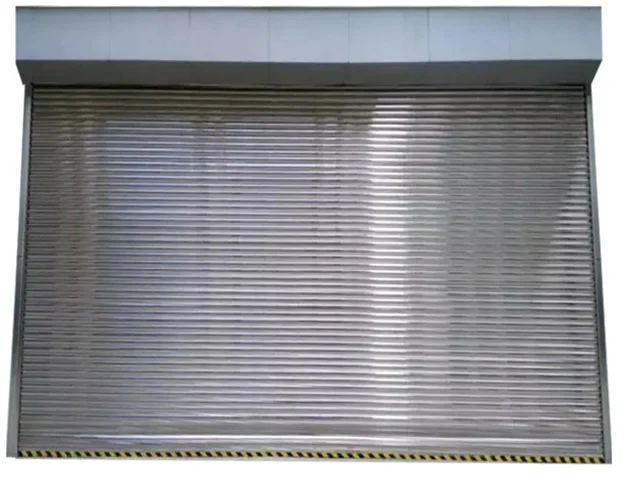
Corrosion-Resistant Material
304# stainless fights rust in humid warehouses, unlike lesser metals. Thickness at 0.8mm holds up, preventing warps that cause jams.
Smooth Operation Features
Brush seals and servo motors ensure glitch-free rolls. Safety photoelectrics add anti-pinch, keeping movements fluid even in busy logistics.
Long-Term Durability Benefits
Rated for over 1 million cycles, these outlast basics. In chemical plants, they handle acids and oils without seizing.
What Makes a Color Steel Roller Shutter Door Ideal?
For budget-friendly yet tough choices, color steel fits many needs. Color steel roller shutter doors offer practical perks without skimping on basics.

Affordable Yet Sturdy Build
0.35mm to 0.45mm thick panels with polyurethane fill resist winds up to level 6. Shops and warehouses favor them for cost-effective security.
Customizable Color Options
Choose from customizable color options like yellow, blue, or gray to suit your space. This aesthetic edge doesn’t compromise the galvanized hinges, which ensure that alignments remain true..
Easy Maintenance Design
Simple modular assembly means quick cleans. In supermarkets, they handle daily opens without the dust traps that plague older models.
Stuck electric roller shutters disrupt more than just access; they chip away at peace of mind. From clearing dust to resetting systems, these steps get you moving again. Better yet, preventive habits and solid upgrades cut problems at the root. Consider durable designs that prioritize smooth runs and longevity to sidestep future headaches.
FAQ
Q1: How often should you clean electric roller shutter tracks?
A: Aim for monthly wipes to remove dust, more in dusty spots like workshops.
Q2: Can low voltage cause shutters to stick?
A: Yes, mismatched power around 220V strains motors, leading to halts.
Q3: What if manual clearing doesn’t unjam the shutter?
A: Test the remote and reset; if no luck, check for bent tracks.