




What is the difference between high-strength color steel and standard aluminum for heavy-duty steel roll-up doors in 2026?
In the fast-changing world of factories and storage in 2026, those who manage warehouses and buildings keep looking for the best mix of safety, toughness, and low costs. Picking the correct block for a site goes beyond filling a gap in the wall; it involves guarding goods against wild weather and keeping work running smoothly. Yingli Electric Door has worked for more than ten years to improve door fixes for factories. We stick to a “customer first” idea for service, giving quick and good help to buyers around the world. We share free expert tech ideas, shaping the top plans for exact needs in moving goods or making items. Remote setup tips come through clear video files, or long-term care gets promised, so the firm acts as a steady teammate in factory safety. Such support helps sites run better, with doors that fit real daily tasks and last through tough conditions without quick breakdowns.
Material Composition: The Foundation of Heavy Duty Security
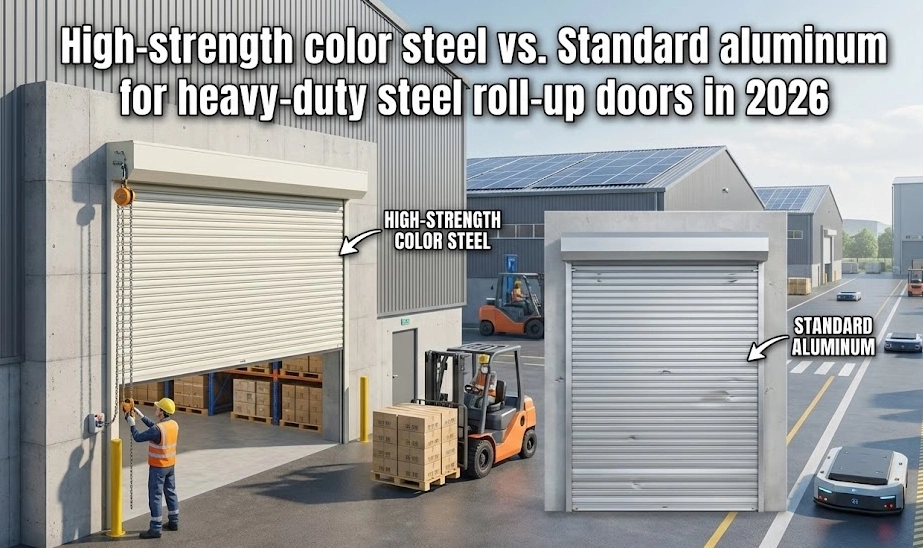
When checking heavy-duty steel roll-up doors for factory jobs, the main split shows in the makeup of the stuff used. The choice between high-strength color steel and regular aluminum mix sets the door’s life span and fight against hits in a basic way.
The Structural Integrity of Color Steel
High-strength color steel is made just for hard factory spots. In 2026, the usual for top factory doors uses a many-part way. The fixes from Yingli Electric Door often take two-layer steel sheets with outside thickness from 0.35mm to 0.45mm. This goes past a flat metal piece; it forms a mixed build. The inside holds thick polyurethane (PU) foam, hitting thicknesses of 40mm to 50mm in most cases. Builders test this setup in real wind tunnels to prove it holds shape under stress, and users report fewer cracks after years of use.
This layered setup does two key jobs well:
Structural Rigidity: The link between the steel and the PU foam makes a sheet that fights bending hard. It takes big flat hits, so it works great to stop break-ins by force. In busy spots like loading areas, this means less worry about dents from daily moves.
Insulation: Not like one-layer metals, this mix gives better hold on heat and block on noise, which matters a lot for keeping the weather steady in big goods yards or drug hold rooms. Sites with temp rules find that this cuts cooling bills by steady control, and the quiet side helps workers focus without extra sounds from outside.
Over time, this design shows up in lower fix needs, as the foam stays firm and the steel outer holds paint without peeling. Many factories pick it for spots where doors see rain and sun shifts, knowing it keeps form longer than thinner options.
The Aluminum Alternative
Regular aluminum mix doors get good reviews for their low weight and fight against rust. Aluminum works well for fast doors where light move helps quick opens and shuts, but it misses the raw power needed for still, tough safety jobs unless much thicker levels get used, which jumps the price a lot. For a tough edge safety part, standard aluminum roll shades can bend more easily from truck hits than the strong mixed side of filled color steel. In tests, aluminum shows small dents after one bump, while color steel bounces back with no mark, making it better for high-use gates. Still, for inside walls where weight saves on frame load, aluminum keeps a spot, but outside heavy spots lean to steel for sure hold.
Performance Metrics: Wind Resistance and Durability
The weather fights of 2026 call for doors that stay put against wild storms. Here, the gap in stuff firmness comes clear.
Wind Pressure Resistance
Storage buildings near seas or open goods areas face strong wind pushes. High-strength color steel doors are planned to fight wind pushes to Level 10-12. The full steel sheet, made stronger by inside foam and often with extra wind bars on the outside, keeps the door in place during bad weather. Aluminum, as a softer metal with less bend fight, needs way bigger shapes to match the same hold against push. For big holes—usual in plants and plane sheds—steel gives a firmer wall against wind and rain. Records from storm-hit areas show steel doors with no shift, while some aluminum ones need braces to stay safe, adding to setup time and cost.
Long-Term Wear and Tear
Factory spots prove rough. Dirt, wet, and chem touch happen every day. Color steel sheets in new make get handled with good cover steps, like fluoro powder cover or oven paint. This makes sure that, even with steel as a base, the door fights rust and eats away for long years. Aluminum fights rust on its own, but top-treated steel closes that space well while giving a better hard side. In salty air spots, treated steel holds color and shape after five years, much like aluminum, but at a lower up-front cost. Users in chem plants note how the cover stops fading, keeping doors looking new and working strongly without full swaps.
The Case for Manual Operation in 2026
In a time full of auto tools, the question “Why hand-use?” makes sense. Yet, for some tough jobs, plain ways mean sure work.
Eliminating the Point of Failure
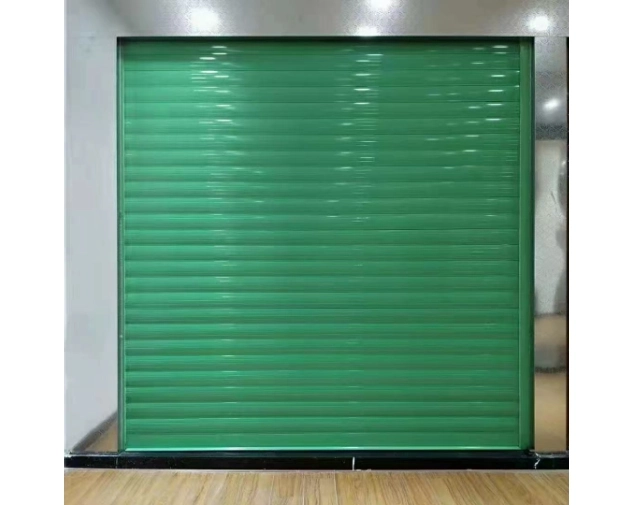
Auto setups, though easy, add hard parts. Drives, feelers, and box controls need power and checks. In far storage or spots with shaky power lines, leaning on the electric can cause stops. The High-strength color steel manual roller shutter door from Yingli Electric Door gives a safe back fix. Planned with an exact twist spring match setup, these doors let one person move them easily, no matter the power state. This cuts down on black-out woes, where auto doors jam shut and block access, turning a small power dip into a full-day hold-up.
Economic Reliability
Think about the full-life cost. A hand door skips drive checks, end-stop tweaks, and wire fixes. For a storage door that might open and shut just a few times a day (like starting in the morning and ending at night), the hand high-strength color steel choice gives the best money back. It brings the same tough safety and heat block as electric twins but without the extra start cost and upkeep drag of an electric push setup. In places with cheap labor but high power rates, this saves big over time, and simple parts mean local fixes without waiting for parts from far. Examples from hot spots show hand doors running ten years with just basic oil, while auto ones need yearly service calls.
Cases exist, like with buyers in the Philippines, where old, tricky hand slide setups broke down badly. Swapping them for a new, matched roll shade setup fixed the workflow right away, showing that new hand parts beat the old heavy, stick doors of before by far. Such shifts cut down time lost and boost trust in the door as a key part of daily runs.
Application Trends: Why Color Steel Dominates
Versatility in Industry
From food-making plants that need clean and heat-holding to big machinery-building spots wanting to hit the fight, color steel covers the needs. The chance to change colors—off-white, blue, orange—lets these doors blend into the company’s look while doing factory work. In brand-focused yards, this means doors that match trucks and signs, making the whole site look put-together without losing strength. Food rules spots love the smooth cover that wipes clean easily, and machine areas value the dent-proof side that keeps work safe from stray tools.
Security vs. Visibility
While aluminum doors (like clear shade or plastic mix types) get picked for shop spots needing see-through, tough factory sites put full block and power first. A full color steel screen hides what’s inside the storage from looks outside, adding a quiet safety layer that open or windowed aluminum bars cannot equal. In theft-risk areas, this blind side cuts break tries, as crooks see no easy goods view, and the hard build stops quick force entry. For night shifts, the solid wall also blocks light leaks, helping keep inside work hidden and safe.
Our Commitment to Service and Quality
Choosing the right door marks is just part of the fight; good setup and help prove just as key. Yingli Electric Door takes pride in a full help pack that goes way beyond the sale point.
Technical Support and Installation
We see that buyers sit around the globe. To close the far gap, we give:
Remote Installation Support: Full setup papers and step-by-step videos come, so local teams can put the parts builds right without guesswork. This works for big sites or small shops, with tips that fit any tool set.
Custom Solutions: Expert tech workers look at site details—maybe tight roof space or set wind pushes—and suggest the top fix for free. This means doors that match odd shapes or heavy loads, avoiding common fit issues.
With this, even teams new to installs finish in days, not weeks, and calls for help drop as workers learn the simple steps. Global spots like Asia ports or Euro plants use these guides to keep standards high without on-site visits.
Warranty and Maintenance
We back the strong side of its goods with a one-year free warranty and lifetime maintenance help. The doors get made for part swaps; if a bar gets hit by a truck, just that piece changes without a full new door, cutting long-run fix costs a lot. This mod way saves time in busy spots, where full stops hurt flow, and parts stock easily for quick swaps. Users track how this lowers yearly costs, turning doors into low-worry assets that pay back fast through less downtime and steady work.
Conclusion
In 2026, the choice between high-strength color steel and regular aluminum for heavy-duty steel roll-up doors boils down to what matters most for the site. If lightweight and quick inside splits top the list, aluminum holds a role. But for strong, outside edge safety that takes wind, weather, and break risks, high-strength color steel stands as the better choice. Paired with a sure hand move setup, it gives a “set and leave” fix that guards the main money line. Trends show more sites shifting to this for long hold, as costs for power and fixes rise, making simple tough builds the smart path. Overall, this mix of strength and ease fits the push for green, low-cost runs in today’s factories.
Exploration of how special fixes from Yingli Electric Door can boost a building’s safety is welcomed. Picking the firm means more than a door buy; it invests in a teammate set on quality, safe, and good workflow. Long-term, this leads to sites that run smoothly, with doors that handle years of use without big spends.
FAQ
Q: Can high-strength color steel doors be customized to fit non-standard warehouse openings?
A: Yes, sizes of the doors can change to match many hole shapes. For a usual load spot or extra-wide gap for big machines, the tech group plans a door sheet build, with needed wind bars and path setups, to give a full match and easy move. This covers odd heights or widths, ensuring no gaps that let air or dirt in.
Q: How does the insulation of color steel doors compare to single-layer steel doors?
A: The gap proves big. Color steel doors use a layered build filled with 40mm to 50mm of thick polyurethane foam. This gives strong fight to heat move, holding storage cool in hot times and warm in cold, while a one-layer steel door brings almost no block and lets heat shift fast. In power-use checks, the foam type saves 30 percent on bills, and noise drops too for quieter insides.
Q: Is it difficult to operate a heavy-duty manual door?
A: No way. New hand roll shade doors hold a twist spring match setup that fights the weight of the screen. So, even with tough stuff, the door lifts and drops with little push, often just a chain pull or hand lift for small ones. Workers in big sites say it feels light, like moving a curtain, and safety stays high without strain risks.