




Stop Energy Leaks: Insulated Steel Sectional Garage Doors
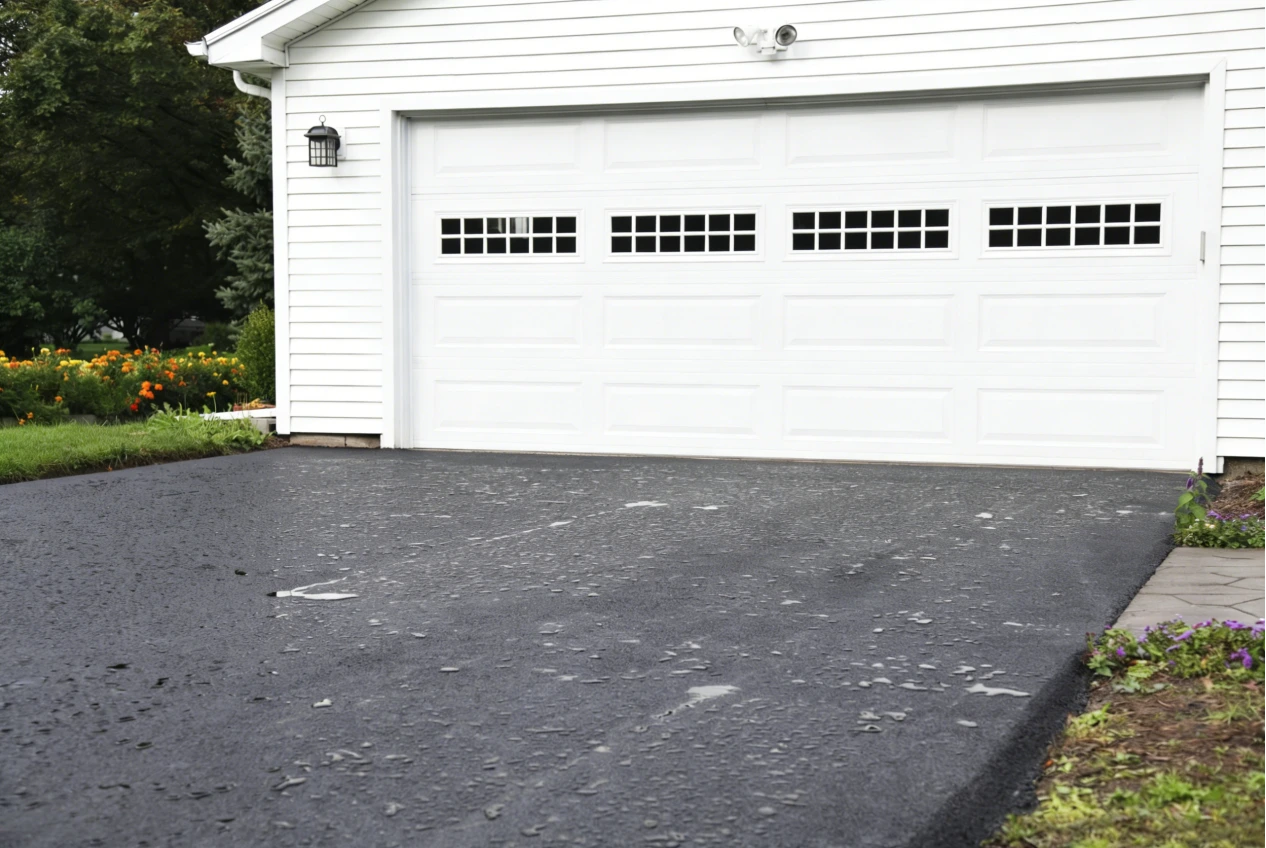
Think about the last time you opened your winter utility bill. Most of us instantly check the thermostat, look for drafts around the living room windows, or add thick weatherstripping to the front door. Yet, we completely ignore the single largest opening in the entire house: the garage. When December hits, a thin metal or wood door basically turns your garage into a giant freezer. Then, in the middle of July, that same space bakes like an oven.
This massive daily temperature swing forces your home’s heating and cooling systems to work overtime, quietly eating up your hard-earned money month after month. If you want to cut household costs, you have to look at the biggest gap in your home’s armor. It is time to stop energy leaks right where they usually start. Upgrading your property with the right barrier completely changes how your entire house feels and operates. Let’s look at exactly why standard setups fail and how modern materials keep the weather outside where it belongs.
The Hidden Financial Drain Attached to Your House
Most older homes feature very basic, single-layer metal or wooden doors. They provide a physical boundary against rain and snow, but they offer almost zero thermal resistance. Think of it like leaving a massive, unsealed window wide open all year round. Research in the building industry often shows that an attached garage can account for roughly 25% of a home’s total heat loss. That is a staggering amount of wasted air just floating out into the driveway.
Because of this poor barrier, your central HVAC system kicks on repeatedly. The freezing air from the garage naturally seeps through the shared walls and into your adjacent living rooms and hallways. You might even notice that the bedroom floor located right above the garage feels like ice every morning. This happens simply because basic panels lack proper garage door insulation. The cold outdoor air easily pushes right through the thin exterior and slips past the cheap gaps around the edges.
Replacing that flimsy old sheet of metal changes the entire equation for your home. Instead of constantly bleeding heat, the garage transforms into a controlled buffer zone. It traps the ambient air and prevents extreme weather from touching your interior walls. This one structural shift takes a massive load off your indoor thermostat. You physically feel the difference in room temperature, and more importantly, you see the exact financial difference on your monthly statement.
The Core Science of Temperature Control
Throwing a thick blanket over a cold window might help a little bit, but actually fixing the wall structure works much better. The same exact logic applies to your garage. You need a solid, engineered core to block the weather completely, and you need tough metal to protect that core.

High-Density Polyurethane Changes Everything
Not all filler materials do the same job when it comes to blocking heat transfer. Many cheap products on the market use basic polystyrene blocks. They do a decent job, but they have a major flaw: they leave tiny air gaps inside the metal shell. Top-tier thermal garage doors take a completely different, much more effective approach. They use high-pressure polyurethane foam that is injected directly into the empty space between the metal panels.
This foam expands rapidly and completely fills every single millimeter of empty space. GUDESEN, for example, builds heavy-duty panels that are 40mm to 50mm thick using this exact solid core technology. This creates a highly dense, rigid wall that stops cold air dead in its tracks. The foam actually binds directly to the metal skin, making the entire section incredibly strong and resistant to bending. It is the exact same insulation technology used in heavy industrial cold storage warehouses, brought right to your residential driveway.
A Double-Layer Metal Shield
A great foam core still needs serious protection from rain, heavy wind, and daily physical wear. This is exactly where modern steel sectional doors truly shine. The outside is not just a thin, bendable piece of tin. It is usually constructed from tough 0.4mm thick color steel plates, or sometimes even heavy 304 stainless steel depending on the model.
This specific metal sandwich design accomplishes two major things for your house. First, it securely holds the insulating foam perfectly in place so it never shifts or breaks down over time. Second, it stands up to harsh weather and accidental driveway bumps. A stray basketball from the kids or a heavy summer hail storm will not leave massive, ugly dents in the front of your house. You essentially get industrial-level toughness wrapped up in a clean, modern aesthetic that matches your home’s exterior perfectly.
Tangible Upgrades for Your Daily Routine
Switching out your old hardware brings immediate, noticeable changes to your daily life. It goes far beyond just getting a barrier that goes up and down smoothly. Let us break down the real, measurable benefits you get when you finally install properly sealed energy-saving doors.
First, the direct cost savings are very real. By keeping the garage temperature steady, your home’s main heater works about 15% to 20% less during those peak winter months. Over just a few short years, that steady reduction in your electricity or gas bill completely pays for the upgrade. It is one of the few home improvement projects that actually puts cash back into your pocket over time.
Second, the daily noise level drops dramatically. A hollow metal sheet rattles, clangs, and shakes every single time the motor pulls it up the track. The dense polyurethane core inside insulated garage doors naturally absorbs all of that harsh vibration. The heavy panels glide smoothly and quietly. If you have a bedroom or a home office right above the garage, nobody gets disturbed when someone leaves for an early morning shift.
Third, you finally gain a space you can actually use. A freezing, damp garage is just a miserable place to park your car and run inside. However, a climate-controlled garage easily becomes a weekend workshop, a comfortable home gym, or a safe storage room for items that would normally warp or crack in extreme cold.
Bringing Factory Strength to Your Driveway
Homeowners often settle for residential-grade hardware that wears out and breaks down after just five or six years. The tracks bend out of shape, the springs snap under pressure, and the plastic rollers crack. But you do not have to accept that short lifespan or pay for constant repairs.
Manufacturing companies like GUDESEN actively build massive, high-speed sliding barriers for busy logistics parks, pharmaceutical factories, and demanding food processing plants. These harsh commercial environments demand hardware that opens and closes hundreds of times a day without failing. When you buy insulated steel doors for your house from a manufacturer with this deep background, you get that exact same industrial DNA.
The tracks use thicker, hot-dip galvanized steel. The connection hinges are built heavy-duty. The thick weather seals on the bottom and the double-layer brush seals on the sides block wind and moisture flawlessly. You are basically putting a commercial-grade shield on your house. You can check out their specific residential products right here:Insulated Steel Sectional Garage Doors. It is always a smart move to buy directly from factory experts who know exactly how to handle extreme weather environments.
Conclusion
Your home should always be a comfortable, cost-effective place to live. Letting expensive heat slip right through a flimsy metal sheet simply does not make financial sense anymore. Making the switch to a thick, foam-filled barrier transforms your garage from a drafty icebox into a solid, highly functional part of your house. You cut down on daily noise, protect your vehicles from the cold, and most importantly, you keep your monthly utility bills totally under control. If you are tired of dealing with winter drafts and high electricity costs, it is time to take action. GUDESEN has the expertise to build and install durable garage doors. Contact our team of experts for more information.
FAQs
Q: Do insulated garage doors really save money?
A: Yes, they effectively stop energy leaks and reduce your home heating bills significantly during cold winter months.
Q: What is the best garage door insulation?
A: High-pressure injected polyurethane foam is best. It fills thermal garage doors perfectly for maximum heat retention.
Q: Are steel sectional doors too heavy for normal motors?
A: No. While they are solid energy-saving doors, standard residential motors easily lift these balanced insulated steel doors.