




Secure Tempered Glass Garage Doors: Is Your Modern Home Really Safe?
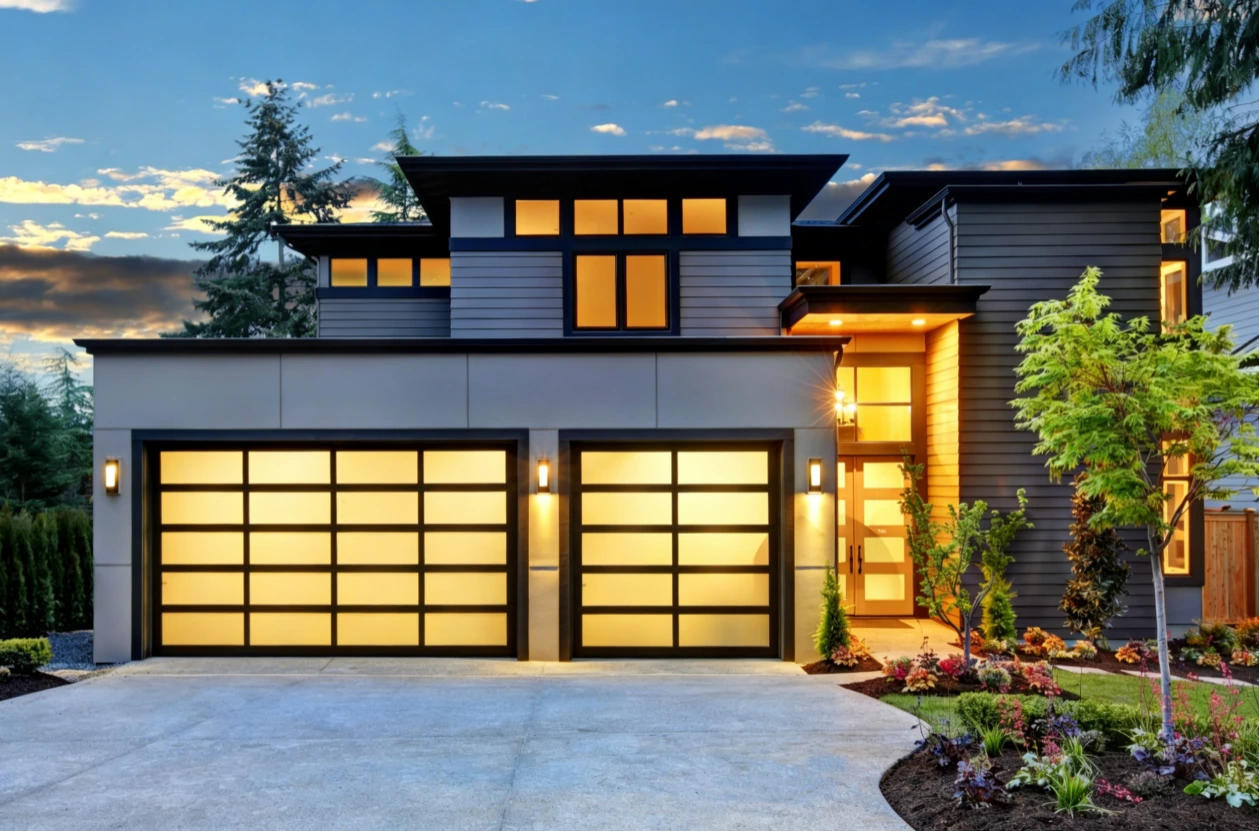
Home design trends in 2026 are heavily focused on blurring the lines between inside and outside living spaces. You see this everywhere now. Open patios, massive windows, and those stunning transparent garage fronts are taking over neighborhood streets. But the moment you look at these beautiful setups, a very real fear creeps in. We all know the garage is a major entry point for intruders. Statistics show a large number of home break-ins happen through this exact space. So, staring at a giant wall of glass, you naturally ask if you are trading real protection for curb appeal. The truth is, material engineering has moved far past the fragile windows built decades ago. Today, the conversation around modern home safety actually includes these transparent designs. With proper manufacturing, finding secure garage doors with full-view panels is totally possible. Let’s look at the actual mechanics and materials that protect your family while looking great.
The Core Material: Why Tempered Glass Changes the Game
People usually assume a stray baseball or a thrown rock will shatter a full-view door instantly. This happens because we confuse standard house windows with heavy-duty industrial materials. The reality of glass door safety depends entirely on heat treatments and thickness.
The heat treatment process: Reliable producers avoid regular annealed glass. They opt for tempered glass doors instead. This substance undergoes intense heating followed by swift cooling phases in the facility. Such a method modifies the inner stress, rendering the end result four to five times more durable than regular glass. An individual attempting to break a 12mm thick tempered section with a hammer would face considerable difficulty.
The shatter profile: Should a strong force manage to fracture the section, it avoids forming large, hazardous fragments. Rather, it disintegrates into tiny, rounded granules with smooth borders. This particular trait shields children and animals from serious injuries amid gales or mishaps.
Double-layer thickness: High-end models use double-layer insulated panels. Using two layers of 3mm glass separated by an air gap adds a massive physical buffer against forced entry.
Frame Construction for Real Physical Defense
Even the toughest transparent panels will fail if the skeleton holding them together is weak. The metal framework surrounding the sections is the true backbone of secure garage doors, handling the massive weight and fighting against forced entry attempts.
Heavy-duty aluminum alloy: The best units use a thick aluminum alloy frame. Some of these frames reach an overall thickness of 50mm. This is not the flimsy metal found in cheap hardware store kits. It forms a solid, rust-resistant skeleton that grips the panels tightly. A burglar cannot simply pry the panels out of these deep-set tracks.
Hidden internal reinforcement: Many smart designs include internal struts hidden within the horizontal sections. This stops the door from buckling under heavy pushing. When someone tries to force the door upward with a pry bar, the rigid frame holds firm.
Sealed and bolted joints: The corners where the metal pieces meet are heavily reinforced. Instead of simple screws, heavy-duty brackets and industrial adhesives lock the frame together into one solid barrier.
Smart Tech and Hardware in Active Defense
Mechanical strength is just the starting point. Real protection today requires active monitoring and responsive hardware. The latest generation of doors integrates smart sensors and heavy motors that react instantly to unauthorized movements or obstacles in the pathway.
Infrared Sensors and Airbag Systems
A heavy door coming down is dangerous, but the tech keeping it safe also helps keep intruders out. A standard setup involves infrared photoelectric sensors installed about 500mm above the ground on the side columns. If a person or an object breaks this invisible beam while the door lowers, the system forces the door to reverse immediately. Some advanced models also include a bottom safety airbag. If the bottom edge touches anything, the air pressure change triggers an instant bounce back. These features prevent the door from crushing items, which is a massive part of daily safe glass doors usage.
Motor Locks and Track Defenses
You might wonder what stops someone from just lifting the door by hand from the driveway. The answer lies inside the motor housing. High-quality drives have built-in electronic locking mechanisms. When the door is closed, the motor engages a hard brake. You would need immense mechanical force to back-drive the motor and lift the curtain. Additionally, the tracks feature anti-derailment designs. Even if a car lightly bumps the door, the rollers stay inside the guide rails, maintaining a solid physical barrier.
Visual Protection and Privacy Choices
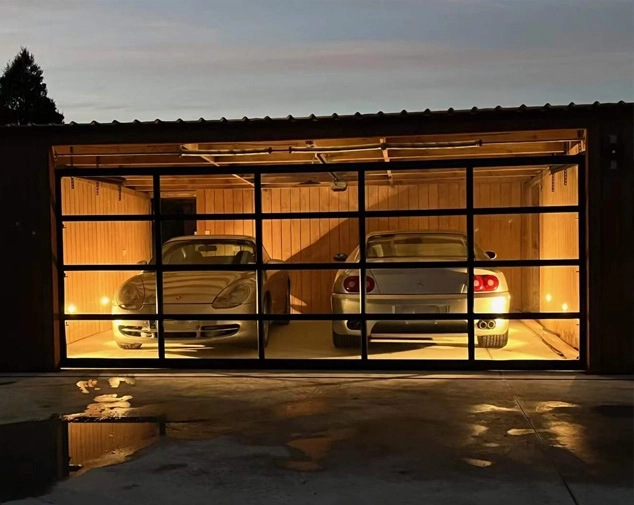
Sometimes, garage door security is simply about keeping things out of sight. You might store expensive power tools, mountain bikes, or a luxury vehicle inside. Giving thieves a clear display case is a terrible idea, which is why visual privacy matters so much.
Frosted and tinted finishes: You do not have to buy totally clear panels. Many homeowners choose frosted or tinted options. These let plenty of natural sunlight flood the space during the day, cutting down your electric bill, while completely blurring the details of whatever is inside. A person standing outside will only see vague shadows.
Reflective mirrored panels: Another great option for modern home safety is one-way mirror glass. During the day, the outside surface reflects the street and trees, offering total privacy. It looks sleek and hides your valuables effectively.
Mixed placement strategies: You can mix panel types on the same door. For example, use solid aluminum panels for the bottom half and reserve the transparent glass garage doors for the top row to let light in from above.
Weather Resistance as a Core Protection Metric
We often think of safety strictly in terms of crime and burglaries. But protecting your property from severe weather, heavy rain, and extreme temperature drops is equally important. A failing door during a storm can cause catastrophic damage to the entire house.
Fighting Wind and Air Pressure
Coastal areas and regions with heavy storms put massive wind pressure on large exterior doors. A cheap door might buckle or blow inward, which immediately pressurizes the house and causes roof damage. High-quality heavy duty doors are tested against strict wind load requirements. The combination of the thick aluminum framework and the rigid panels allows them to withstand heavy wind levels. The deep tracks hold the rollers tight, preventing the door from rattling or detaching under strong suction forces.
Water Seals and Thermal Insulation
Moisture harm quietly erodes bases and surfaces over time. Contemporary setups utilize intricate barrier techniques. Flexible PVC edges along the base adapt to irregular surfaces, blocking precipitation and insects. Vertical channels benefit from dense fiber seals too. Additionally, the dual-layer insulated glass offers a heat barrier. It prevents icy drafts from chilling the space, safeguarding pipes against freezing and rupture.
Finding the Right Manufacturer for Your Needs
Understanding technical details proves helpful, yet proper assembly and setup determine success. Select a producer focused on home durability, not merely low-priced business displays.
Seek out true customization: Each residence differs. Standard dimensions seldom align precisely. An ill-fitted door creates openings, undermining warmth retention and barrier strength. Choose a supplier that requests accurate dimensions and crafts the aluminum outline to suit your entry exactly.
Check the hardware quality: Inquire about the raising system and channel depth. The sturdiest sections fail if paths consist of slim, bendable material. Demand robust channels and professional hinges.
Partner with experts: To enhance your space, contact dedicated specialists. Reviewing the tempered glass garage door from GUDESEN illustrates what a superior item entails
Conclusion
The old debate between having a beautiful home exterior and keeping your family protected is finally over. You do not have to settle for a solid, boring metal wall just to feel safe at night. By utilizing advanced material engineering, heavy aluminum frames, and smart motor technology, you can achieve a stunning visual upgrade that actually fortifies your property. The trick is to avoid cheap substitutes and invest in genuine, well-built systems. Whether you want to flood your workspace with natural light or create a seamless transition between your indoor living area and the driveway, there is a strong solution waiting for you. If you are ready to transform your property without losing peace of mind, reach out to the team at GUDESEN to find the exact style that fits your home.
FAQs
Q: Are glass garage doors easy to break into?
A: No. High-quality secure garage doors use thick, reinforced materials that strongly resist heavy impacts and forced entry attempts.
Q: What happens if tempered glass doors shatter?
A: They crumble into small, blunt pebbles rather than sharp shards, which greatly improves overall glass door safety for families.
Q: Can safe glass doors provide privacy from neighbors?
A: Yes. You can choose frosted, tinted, or mirrored finishes to maintain modern home safety while letting sunlight inside.