




How a Medical Cleanroom Sliding Door Prevents Hospital Infections
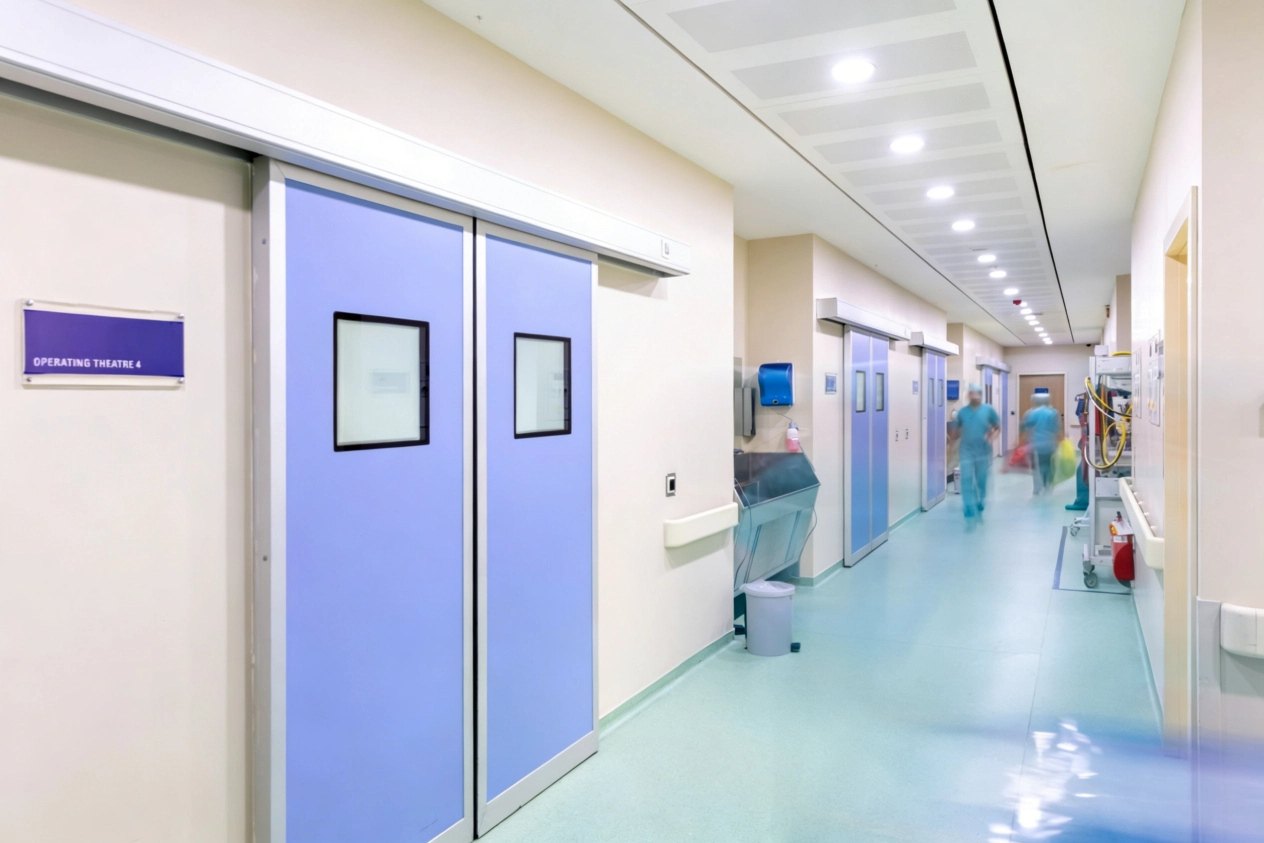
Imagine walking into a modern hospital. Everything looks spotless. But the real battle against germs happens on a microscopic level. About 1 in 31 patients catches a healthcare-associated infection daily. Facility managers spend millions on air filters, strong chemicals, and hand-washing campaigns. Yet, many forget one of the biggest physical barriers in the building: the doors.
Every time a doctor pushes a heavy wooden slab open, they might pick up dangerous bacteria. Every time a regular entryway swings shut, it pushes dirty air into clean hallways. Upgrading to a medical cleanroom sliding door changes this dynamic completely. It acts as an invisible shield. Let us look at the real science and mechanics behind these barriers, and why upgrading your entryways is a smart move for patient health.
The Hidden Threat of Hospital Pathogens
Pathogens travel in two main ways inside a clinic: riding on invisible air currents and hitchhiking on human hands. Blocking both of these paths is the only way to keep sensitive areas safe. A standard entryway simply cannot handle this double threat effectively, leaving your most vulnerable patients at risk.
Standard Doors Fail in High-Stakes Environments
Most normal doors have tiny gaps around their edges. This ruins the careful air pressure balance that hospitals try hard to maintain. Also, traditional swinging models act like giant fans. When a nurse rushes through, the swinging motion literally sweeps air from the dirty hallway straight into the sterile space. Add the fact that standard handles are touched by hundreds of unwashed hands every single shift, and you have a perfect recipe for cross-contamination. To fix this, builders now turn to a specialized hospital sliding door that slides smoothly along the wall, causing almost zero air disturbance.
Key Defenses of an Infection Control Door
Modern facility design relies heavily on smart engineering to stop the spread of disease. A well-built infection control door packs several clever physical features. It actively blocks dirty air from leaking in and completely eliminates the need for doctors to grab a contaminated handle after scrubbing in.
Advanced Airtight Sealing Technology
The secret to a true medical airtight door lies in its edges. High-quality models use a rigid polyammonia high-pressure foaming process inside the panel. This makes the panel strong but very flat. But the real magic happens at the seams. Manufacturers embed special rubber sealing strips on the two sides, the top, and the middle seam. When the panel slides shut, these strips press tightly against the smooth 304 stainless steel frame. This leaves zero room for drafts. Advanced models use a sinking track design that presses inward, creating a vacuum-like seal against the wall. This completely blocks microscopic dust, strong odors, and dangerous bugs from sneaking through the cracks.
Cutting the Touch Chain
Doctors and nurses wash their hands constantly. It defeats the purpose if they have to push a dirty metal plate to enter surgery. This is why a touchless sensor door is basically mandatory for new medical builds. Using imported sensors, these systems detect a person approaching from meters away. Some hospitals prefer foot sensors placed near the floor, so a surgeon holding sterile tools can just wave their shoe to trigger the motor. Others use wireless hand-pressure switches that trigger from a few inches away without actual contact. By taking human hands out of the equation, the surface stays clean, and the chain of infection breaks right at the doorway.
Protecting High-Risk Zones
Not all rooms in a medical building share the exact same risks. A public waiting room needs basic cleanliness, but a surgical suite requires absolute perfection. These highly specific areas demand entryways built to handle intense, continuous hygienic pressure without breaking down or losing their tight seal over time.
Maintaining Pressure in Surgery Rooms
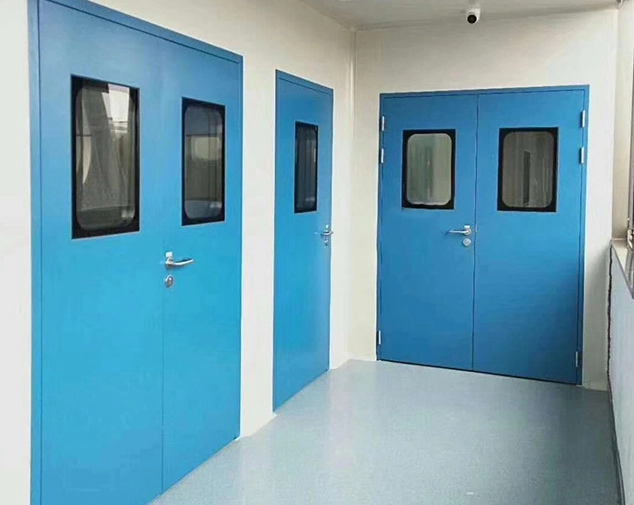
Airflow management is a big deal in an operating room. Surgeons need positive air pressure so that when the entryway opens, clean air rushes out, pushing dirty air away. An operating room door helps manage this by moving fast. High-quality sliding units can open and close at speeds between 20 to 60 centimeters per second. They get out of the way quickly and shut right behind the medical team. This limits the time the room is exposed to the hallway. Inside the panel, a high-density hard polyurethane foam provides excellent thermal insulation. This keeps the room at the exact temperature the surgical team needs, saving significantly on heating costs.
Lab and Cleanroom Compliance
Research labs face similar challenges. A sealed medical door used in a lab must meet strict European standards and ESC guidelines. They must be immune to electrical interference, meaning the MRI machine down the hall will not make the entryway glitch and open on its own. The surface materials also matter. Facilities can choose flat matte stainless steel, sprayed steel plates, or PVC boards. These materials do not harbor bacteria and can survive daily scrub-downs with harsh bleach and chemical cleaners.
Smart Features That Make a Difference
Keeping germs out is obviously the primary goal. However, a busy clinic also needs heavy-duty equipment that keeps people safe from physical harm and stands up to daily abuse from heavy rolling beds. Let us look at a few extra details that make these units highly effective and durable.
Microcell Safety Lights: Moving metal panels are heavy. To prevent accidents, quality units feature infrared beams near the floor. If a patient’s foot or a wheelchair blocks the beam, the motor instantly reverses, preventing nasty pinch injuries.
Radiation Defense: X-ray rooms need extra help. High-end sliding panels can be custom-lined with thick lead plates. This provides an invisible shield against radiation while still offering all the smooth, automatic benefits of a standard sliding unit.
Heavy-Duty Frames: Hospital beds bang into walls all the time. They can take a serious hit from a 500-pound motorized bed without bending or losing their airtight shape.
Power Failure Safety: During a blackout, the panel can be pushed open manually with very little force, preventing anyone from getting trapped inside an isolated ward.
Choosing the Right Partner for Your Facility
Upgrading your clinic is a big project that requires serious planning. You cannot just order these complex items from a local hardware store. You need a dedicated manufacturing partner who understands strict medical regulations and can custom-build equipment to fit your exact architectural specifications and daily traffic flow needs.
Custom Builds for Unique Needs
No two hospitals have the exact same layout. Sometimes you need a massive double door for a trauma center, and sometimes you just need a small sub-mother style opening for a private lab. This is where finding the right supplier changes everything. GUDESEN stands out as a top-tier automatic industrial door manufacturer. Our team sticks to a “customer first” mindset, offering remote installation guidance, detailed video files, and a one-year free warranty.
Whether you need a medical cleanroom sliding door with specific lead lining or a simple sensor setup, we build products based precisely on the size of your existing doorways. If you want to see how our high-strength aluminum frames can upgrade your facility, explore our cleanroom sliding door options here. They back everything they make with rigorous testing and European standard compliance.
Conclusion
Keeping a hospital clean is a hard job that never truly ends. Bacteria will always try to find a way into sterile places. But by upgrading the physical barriers in your building, you give your medical staff a massive advantage. A specialized hospital sliding door does more than just open and close. It actively manages air pressure, blocks harmful microscopic invaders, and lets doctors move freely without ever touching a dirty handle. These smart, airtight investments protect your patients, save money on climate control, and help your facility meet the highest global health standards. Ditching those old manual swinging slabs is the best place to start fighting cross-contamination. Investing in reliable infrastructure is investing in human lives.
FAQs
Q: Why is an operating room door different from regular doors?
A: An operating room door features an airtight seal to block pathogens and maintain positive air pressure.
Q: How does a touchless sensor door improve hospital hygiene?
A: A touchless sensor door opens automatically, meaning doctors never transfer bacteria via dirty door handles.
Q: Can a sealed medical door stop radiation in X-ray rooms?
A: Yes, a sealed medical door can be custom-lined with lead plates to safely block harmful radiation.