




High Speed Cold Room Doors vs Manual Sliding Doors: Which is the Best for 2026 Operations?
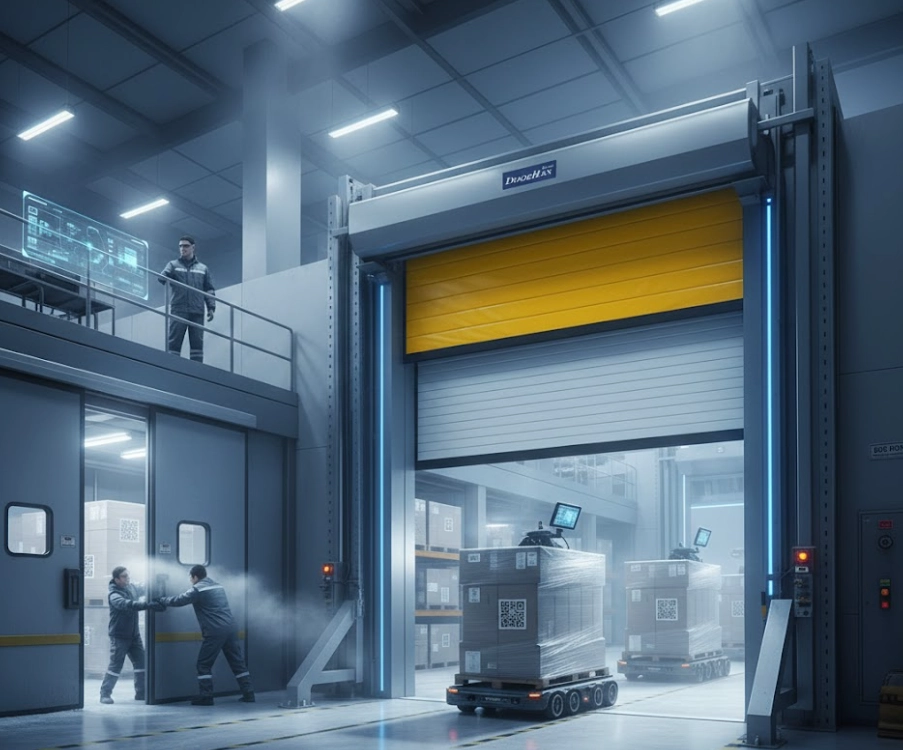
As we think about the logistics setup in 2026, the need for exact work, heat control, and quick flow has grown stronger than ever. At Yingli Electric Door, we have set ourselves up as a top maker around the world. We focus on the skill and knowledge of door automation. We do not just put together doors. We create strong systems that protect your cold chain and improve your factory processes. From our detailed high-speed spiral door tech to our special freezer fixes, our skilled group offers no-cost custom talks. This helps make sure your site meets the strict rules of the future. We back our work with a one-year full warranty and ongoing care. In this way, every setup stays a key part of your daily wins.
Our doors fit into busy spots like warehouses and storage areas. They handle heavy use without breaking down. Clients from various fields trust us for reliable gear. We keep up with changes in the market to offer what works best. This approach helps businesses run smoothly and save on costs over time.
The Operational Shift Toward Automation in 2026
The factory world is leaving behind fixed setups. In earlier days, a door served as a basic block. Now, it acts as a smart part in a warehouse that uses data. Manual sliding doors save money at first buy. However, they often slow things down in busy, repeated work spots. The time spent on hand use turns into higher worker pay and weaker temp hold.
As cold hold sites get more auto-run, adding a high-speed spiral door becomes vital. These setups use smart sensors and fast motors. They make moving between temp areas smooth. By 2026, using hand labor for simple entry will look like an extra danger to safety and speed. Workers face less risk. Machines run better. Overall, operations gain from this change.
Many sites already see the shift. Old ways lead to delays. New auto doors cut those issues. They fit into larger systems like inventory trackers. This links everything together for a better flow. Managers report faster tasks and fewer errors. The move to automation builds a solid base for growth.
Thermal Integrity and Energy Preservation
Saving energy tops the list for any cold hold boss. Each moment a door stays wide lets costly cool air slip out. At the same time, warm, wet air comes in. This builds ice in coolers and goods. Manual sliding doors often stay open too long. Or, they fail to close tightly after use.
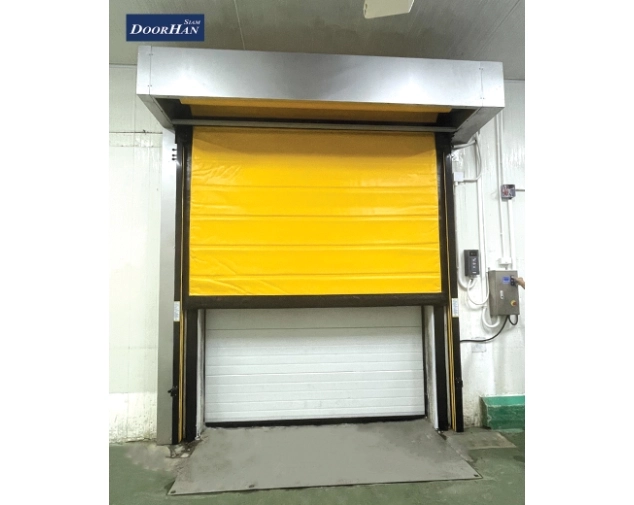
Our fix for this ongoing issue is the High-efficiency insulation, fast opening and closing, high-quality, and durable cold storage insulated doors. We build these with thick polyurethane foam. It gives a strong block against heat loss. Since they move at up to 2.5 meters per second, the air swap time drops low. This quick work stops the “chimney effect.” In that, cool air drops out of the bottom. Warm air pushes in from the top.
On top of that, we add special heat anti-freeze tools in the side rails. This keeps the door working even at -40°C. No ice lock-up happens. Such steady work is what a manual sliding door cannot promise over the years of use. Sites with our doors see lower bills. They avoid extra clean-ups from frost. This adds real value day by day.
Energy rules get stricter each year. Our designs meet them head-on. They cut power use without losing function. Teams can focus on core tasks. Not on fixing temp slips. Long-term, this means less waste and more profit.
The Technical Superiority of the High Speed Spiral Door
When looking at strong choices, the high-speed spiral door stands as the top pick for 2026 work. Unlike old roll doors, where strips touch as they coil, the spiral type uses a no-touch round path. This cuts down on panel wear. It keeps the look clean. Plus, it allows faster runs with less sound.
We make these panels from tough aluminum alloy. It offers wall-like strength with cloth-door speed. The no-touch spiral stack lets the door take thousands of runs with little upkeep. For spots needing both lock and quick access, this tech swaps out two doors. One for safety and one for fast cloth action. It turns the entry into one simple, effective piece.
Engineers pick this for its smart build. No extra parts mean fewer breaks. Speed stays high over time. Noise levels drop, which helps workers focus. In tests, these doors outlast others by far. They fit a tight space, too. This makes them great for upgrades in old sites.
Customization options add to the edge. We adjust sizes and features to match needs. This ensures s perfect fit without waste. Users get exactly what their setup requires.
Safety and Collision Management
In a quick warehouse, bumps happen often. Manual doors bend easily or slip on tracks. Then, they need long stops and expert fixes. Such breaks can pause the cold chain for hours. Or even days.
We tackle this with smart safety in our auto line. Each piece has a multi-spotlight screen or an infrared setup. This makes a tall guard area. If something or someone steps in as the door shuts, it flips back right away. For our cloth fast doors, we add a “zipper” fix-it self tool. If a truck hits the cover, it pops free. Then, it slots back on the next go. This tough build is why auto setups lead in today’s work.
Safety standards rise fast. Our systems meet them all. Workers feel secure. Accidents drop. This cuts insurance costs, too. Managers praise the quick response. It keeps the flow going without big halts.
We test each unit hard. Real-world bumps show the strength. No weak points appear. This builds trust from the first use.
Durability and Long-Term Value
A manual door costs less up front. But the full ownership cost shows another side. Think of energy waste, spoiled goods risk, and steady hand work needs. In a busy 2026 site, the manual type becomes a weak spot.
We stress lasting build with top parts, like servo motors for exact start and stop. This gentle move cuts strain on the gear. It boosts the system’s life. Our aluminum parts fight rust well. They suit wet or clean-down areas in food or drug holds.
Over the years, this pays back big. Fewer fixes mean less downtime. Energy savings add up. Goods stay fresh longer. Owners see quick returns on the spend. Compared to manual, the auto choice wins on value.
Our warranties cover the details. We stand by every part. This gives peace of mind. Teams plan without worry.
Professional Service and Global Reach
Winning in the factory door field takes more than gear. It needs strong service ties. We feel good about helping clients anywhere. If you manage projects in Italy or sell in the Philippines, we give full papers, far-off setup clips, and skilled tech aid. This keeps your job on track.
Our plan process works together. We check your traffic ways, temp needs, and room limits. Then, we suggest the right match. This custom way means you get more than a door. You invest in a fix that boosts your gains.
Global teams link fast with us. Language help and local tips make it easy. We ship quickly to meet deadlines. Feedback from users shapes our next steps. This loop keeps us sharp and client-focused.
From small shops to large chains, we adapt. Every project gets the same care. This builds lasting bonds.So don’t hesitate. Contact us as soon as possible.
FAQ
Q: How does a high-speed spiral door improve energy savings compared to a manual door?
A: The high-speed spiral door runs at speeds up to 2.5m/s. This cuts the “open time” a lot in each run. As a result, air swap between temp areas drops. Also, the insulated aluminum panels give a higher R-value than usual manual doors. This lowers the load on your cool units a great deal.
Q: Can these automated doors operate in extreme sub-zero temperatures?
A: Yes. We build our cold storage doors with built-in heat parts in the side tracks and motor covers. This stops water from freezing. The door stays bendy and works well even at -40°C.
Q: What happens if there is a power failure?
A: Every auto system we supply has a hand override tool, like a turn crank or brake pull. This keeps your site open during blackouts. Your cold chain stays safe.