




Color Steel vs Aluminum: Which Overhead Sectional Door Wins?
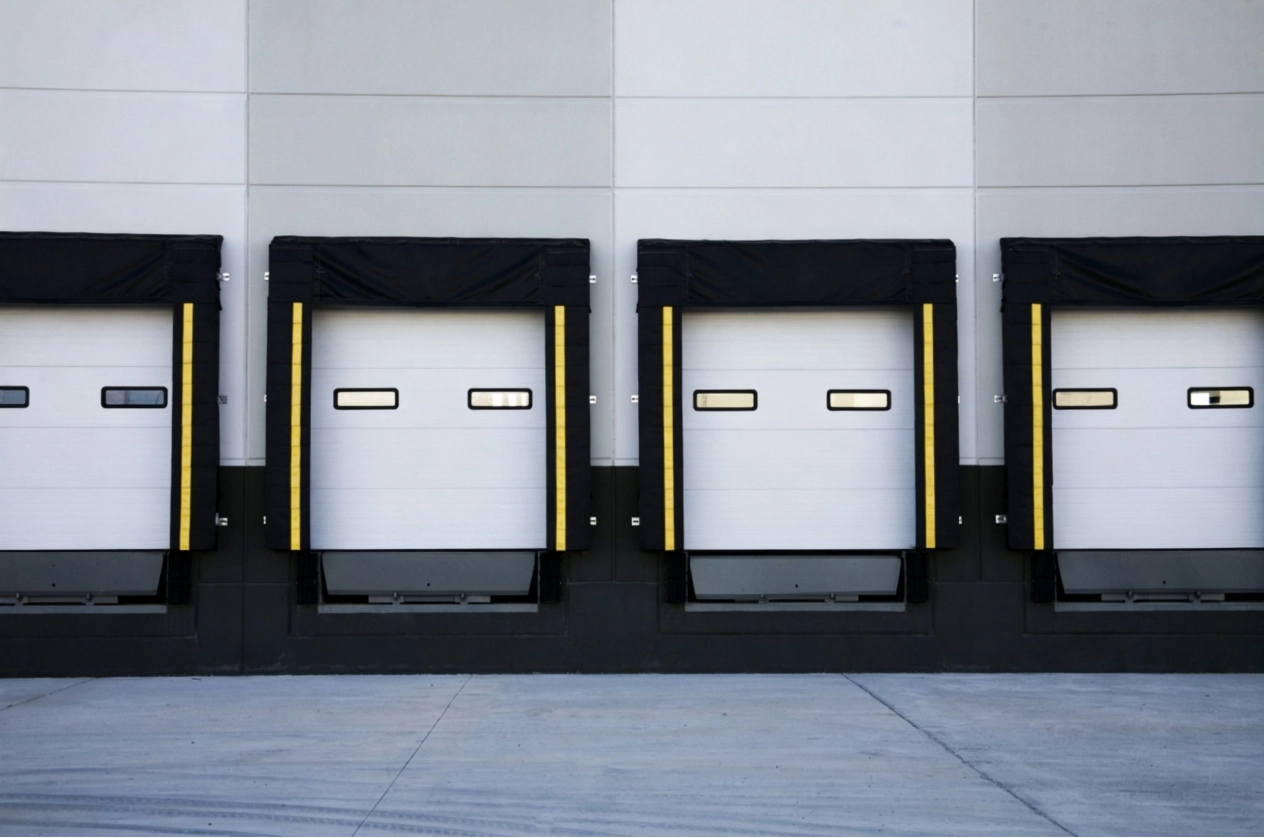
If you are deciding between materials for your new overhead sectional door, here is the short answer: color steel wins for heavy-duty security and budget, capturing about 80% of warehouse installations. Aluminum takes the prize if you need a lightweight, rust-proof option for a damp environment.
Recently, with rising energy costs and tighter shipping schedules, facility managers are ditching cheap doors that break down constantly. You need an entry system that handles daily traffic without burning out the motor or leaking warm air out into the freezing winter. The choice between steel and aluminum will affect your daily operations for the next decade. Let’s figure out exactly which sectional door material fits your building best, so you don’t end up paying for the wrong setup twice.
Evaluating Options: Core Differences in Door Material
You cannot just pick a door because it looks nice on a brochure. Facility managers have to think about what happens when a careless forklift driver bumps the track, or when winter temperatures drop below zero. Let’s look closer at how each material handles the brutal daily grind of industrial operations.
The Heavy-Duty Workhorse: Color Steel Door Panels
Warehouses lose thousands of dollars in heating and cooling because of thin, uninsulated loading dock entries. Plus, theft is a constant threat in remote logistics parks. The solution is the color steel door. It is the standard choice for heavy industry. These overhead door panels usually feature a 0.35mm to 0.45mm thick steel surface wrapped around a thick polyurethane foam core. You will generally see them in 40mm or 50mm thicknesses. This sandwich design blocks wind and traps heat inside your building effectively.
When a cold chain facility or a food plant needs to keep the cold air in, this is the go-to barrier. The hardware is equally tough. The hinges and many other small accessories on these doors are galvanized, making them highly resistant to snapping under pressure.
If your current entryways are letting cold drafts in, shaking violently in the wind, and driving up your utility bills, it is probably time to rethink the barriers protecting your inventory. You need something that seals tight.
The Lightweight Alternative: Aluminum Sectional Door
What if your problem isn’t heavy impact, but rather water exposure and weight? Facilities near the coast or places with high indoor humidity face a completely different issue: rust. An aluminum sectional door naturally fights off corrosion much better than untreated steel. It is also noticeably lighter.
A lighter door means your lifting motor works less hard every time the door goes up. Some businesses, like auto showrooms, car washes, or specialized electronic factories, also demand high visibility. Aluminum frames can hold large transparent glass or acrylic panels easily, letting natural sunlight flood the workspace.
But this choice comes with a downside. Aluminum dents much easier than steel. If a heavy pallet hits it, you will see a permanent mark. It also generally costs more upfront. You have to weigh that initial price tag against the specific environment you operate in. If you don’t have a wet environment or a need for giant windows, the extra cost might not give you a good return on investment.
Solving Daily Hurdles with an Electric Sectional Door
Picking the right metal is only half the battle. You have to match the lifting system to how often your warehouse team actually uses it. A badly matched setup will wear out your motor fast, causing a sudden and expensive breakdown right when a delivery truck is waiting outside.
-
Motor Strain and Cycle Limits: An electric sectional door is designed for specific work cycles. Many buyers make the mistake of installing standard electric rolling doors for busy loading docks. Those standard doors often need a half-hour break after opening just 8 or 10 times. They overheat quickly.
-
Speed and Stability: If your factory has a steady flow of goods, you need something much stronger. A proper industrial sectional door uses robust domestic motors. They open at a steady, safe speed of about 20 cm per second. These systems can handle dozens of cycles a day without failing. But the weight of the door directly affects this lifting system. Heavy steel requires heavy-duty torsion springs to balance the load. Light aluminum might put less strain on the springs, but if it gets bent from an impact, the door will jam in the tracks anyway.
-
Space Restrictions: Space is another massive problem many buyers ignore until the installation day. You must look at the room above your doorway. If the door is four meters high, and you have four meters of empty ceiling space directly above it, we use a vertical lifting path. If your roof is low, we use a standard lifting path where the door curves and slides flat against the ceiling. Sometimes, we do a semi-vertical lift, going up two meters before curving.
Take a week to count how many times your loading dock opens and closes daily, and measure the headroom above your doors. If your operations demand 30 to 50 cycles a day, relying on basic roll-ups is a massive risk. Upgrading to a guided track system is your safest bet. This is exactly why many growing logistics centers move toward a properly configured electrically operated sectional overhead door that balances panel weight, motor power, and track layout.
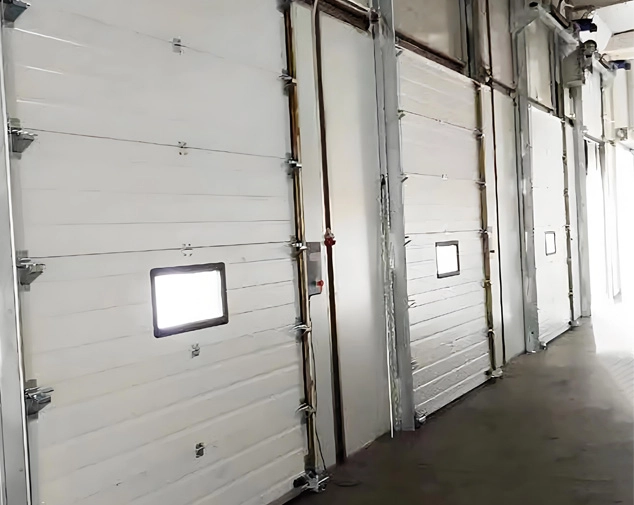
Making the Final Call for Your Industrial Sectional Door
Now that we broke down the raw specs, you must match these details to your own building’s layout and traffic. Stop guessing what might work based on a competitor’s warehouse. Look closely at your daily operations, your local climate, and your exact budget to decide which barrier actually makes sense.
Choosing the wrong material means you will be calling repair technicians every few months. Let’s make the decision simple.
-
Go with color steel if: You run a food plant, a pharmaceutical warehouse, a shipping area, or a busy logistics park. As we noted earlier, this material covers more than 80% of real-world applications. It offers the best mix of anti-theft security, high wind resistance, and thermal insulation. It handles the rough environment of an active factory while keeping the price at a level the accounting department will approve.
-
Go with aluminum if: You run a car wash, a fire station, a 4S auto shop, or a facility where the door will be soaked in water regularly. It is also the right pick if you want to swap out solid metal panels for fully transparent sections to let natural light in and make the building look modern.
No matter which material you pick, the structural integrity of your door depends heavily on who installs it and the quality of the motor driving it. The panels are just the shield; the motor and the springs are the muscles.
Conclusion
Many growing businesses eventually reach a point where their old manual gates or basic roll-ups become a serious operational bottleneck. When your facility expands, you simply cannot afford doors that jam on the tracks or motors that require a 30-minute cooldown after just a few uses. These outdated methods slow down your forklift drivers and leave your expensive inventory exposed to harsh weather and theft. You need a permanent, heavy-duty fix. At GUDESEN, we build industrial doors designed to handle the real-world abuse of active factories. Whether you need the thick insulation of steel or the rust-proof nature of aluminum, our team can guide you to the perfect fit. Stop wasting money on stopgap measures. Learn about our background and services, contact us today, and see how we can help your factory permanently ensure the safety of its daily operations.
FAQs
Q: How thick are standard overhead door panels?
A: Most industrial panels are 40mm or 50mm thick, filled with polyurethane foam for strong thermal insulation.
Q: Can an aluminum sectional door handle heavy winds?
A: Yes, but a color steel door is generally stronger for high-wind areas and offers better impact resistance.
Q: What sectional door material is best for cold storage?
A: Color steel filled with high-density polyurethane is the top choice to trap cold air effectively.