




Which Medical Operating Room Door Fits Your Cleanroom Requirements?

In recent times, community wellness talks have centered on invisible germs and medical center protection. As you stroll along a current clinic hallway, you may sense that the atmosphere differs. This occurs because building experts labor to manage airflow and halt tiny dangers. While strong air handlers perform much of the main work, the solid dividers among various sections hold equal value. An ordinary timber or plain steel sheet fails to meet the strict cleanliness needs of a treatment area. When a physician hurries a sick person into the operating space, they require a passage that responds right away, closes fully, and remains germ-free. Picking the proper medical sliding door creates a big impact in stopping germ spread. Now, we examine the precise details and traits to review when choosing an operating room door for your upcoming clinic or research facility task.
Crucial Elements of a Clinical Entrance
Before looking at specific models, facility managers must evaluate what makes a clinical entrance different from a normal commercial entrance. The daily wear and tear in a surgical ward requires heavy-duty construction mixed with highly sensitive electronic controls. Regular doors fail in these environments because they collect dust and break down under heavy use.
-
Total Air Isolation: Cleanrooms rely on air pressure to keep dirty air out. A standard door has tiny gaps around the frame. Clinical versions feature high-quality imported sealing strips embedded tightly along the two sides, the top, and the middle seam. This blocks air leaks and maintains the necessary positive or negative pressure inside the room.
-
Touchless Operation: Doctors and nurses scrub their hands thoroughly before a procedure. Touching a dirty door handle ruins that process immediately. Medical entrances rely on automatic sensors, like foot pedals or microwave radars, allowing staff to pass through without ever making physical contact.
-
Consistent Speeds: When moving a patient on a stretcher, every second counts. The entrance needs a reliable motor. Quality systems use a power supply of 220V/50Hz with power consumption under 150W. They provide a steady open and close speed ranging from 20 to 60 centimeters per second.
Exploring Different Medical Entry Systems
It is vital to match the correct door type with your specific facility grade. From heavy surgical suites to basic sterile prep areas, each zone demands a unique physical barrier to keep contaminants out while allowing medical staff to move freely without touching handles.
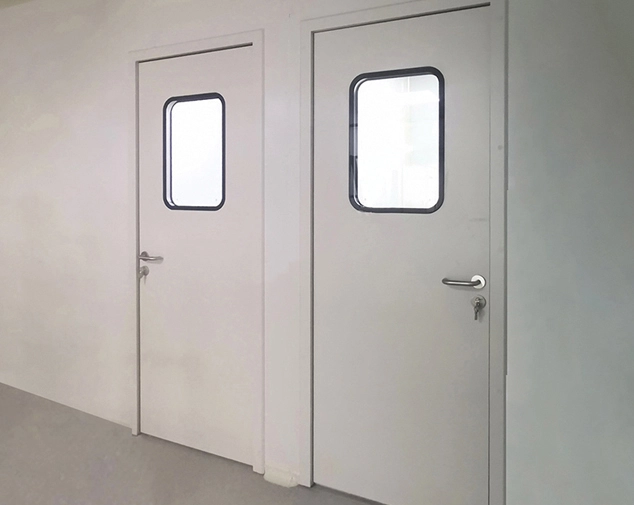
The Standard Operating Room Door
The main entrance to a surgery suite sees a lot of traffic. Stretchers, heavy equipment carts, and large teams of nurses pass through these openings daily. An operating room door must be tough enough to handle occasional bumps while remaining perfectly aligned. Manufacturers build these using a rigid polyammonia overall high-pressure foaming process inside a high-strength aluminum alloy frame. This manufacturing method keeps the door leaf entirely flat and incredibly strong. It can support a weight of up to 200kg without putting too much strain on the overhead motor. Safety is also a major concern here. These doors use a microcell safety light system. This specific technology meets strict European standards and is thoroughly immune to interference from bright surgical lights or other electronic medical machines.
The Reliable Medical Airtight Door
Some hospital areas require absolute isolation. Think about pharmaceutical compounding rooms or infectious disease wards. A medical airtight door goes a step beyond standard hygiene. When this door slides shut, the mechanical track drops the door panel slightly down and inward. This action compresses the rubber seals directly against the floor and the wall frame. It creates a vacuum-like seal that stops airborne particles and strong chemical odors from escaping. This specific drop-and-seal action is what separates a true airtight model from a standard automatic sliding entryway.
The Heavy-Duty Hermetic Sliding Door
Hospitals also house dangerous equipment like X-ray machines and CT scanners. The radiation from these machines cannot leak into the public hallways. A hermetic sliding door built for a radiology department looks normal on the outside, but it hides a thick lead plate inside the door frame and the door leaf. Because lead is extremely heavy, the automatic motor system must be highly advanced to move the door smoothly. A sudden jerk could damage the heavy panel or break the internal mechanical parts. These specialized doors comply with strict international regulations, including the French government’s regulations on automatic doors for workshops, making them a safe choice for international building projects.
Structural Integrity and Surface Materials
Selecting the right finish directly impacts how well your cleaning staff can sanitize the area. A hospital cleanroom door needs to survive harsh chemical disinfectants multiple times a day without rusting or fading.
-
Matt Stainless Steel Plates: Many high-end facilities choose a large flat matt stainless steel plate for the surface. The “matt” finish is important because it does not reflect bright overhead lights into a surgeon’s eyes. It is also completely smooth, leaving no tiny pores for bacteria to hide in.
-
Color-Coated Options: Sometimes, a sterile room door needs to match the color-coding of a hospital wing. You can choose sprayed steel plates, aluminum plates, or even electrolytic plates. These allow for a variety of spray colors while keeping the surface smooth and easy to wipe down.
-
Internal Foaming: The inside matters just as much as the outside. Using high-density hard polyammonia vinegar high-pressure foaming makes the door soundproof and thermally insulated. It stops heat from escaping the room and blocks the loud noises of hospital hallways, giving doctors a quiet space to focus.
Integrating the Right System into Your Facility
Finding the perfect fit means looking at your daily foot traffic, equipment size, and local health regulations. Whether building a new pharmaceutical wing or upgrading an old lab, picking the right entrance system saves money on maintenance and protects sensitive work. It also makes a massive difference in how smoothly your daily medical operations run.
Solutions for Precision Laboratories
A laboratory environment often deals with sensitive chemicals and microscopic testing. Dust is the biggest enemy here. A cleanroom sliding door designed for a lab must open quickly and close the moment a technician steps through. The less time the door stays open, the less chance dust has to blow inside. These doors often connect directly to the building’s central computer. This allows security teams to lock down specific lab areas remotely if an emergency happens. The smooth aluminum frames make daily cleaning fast and simple.
Planning Your Installation
When you order a medical entry system, you cannot just buy a standard size off the shelf. Every hospital corridor and cleanroom wall is built differently. You might need a single door for a tight hallway, a double door for a massive trauma center, or a sub-mother door for moving wide equipment. The frames feature special aluminum outsourcing 304 stainless steel to handle the heavy weight of the panels. Furthermore, if your hospital follows international building codes, you need equipment that complies with German regulations on external power starting doors. Partnering with a manufacturer who understands these complex technical details will save you from failing safety inspections later. If you want to explore professional options, you can look at a high-quality medical operating room door to see how these features come together in a real product.
Conclusion
Constructing a secure and smooth medical center demands thoughtful arrangement, and your passages form the initial guard against impurities. Through selecting the precise cleanroom sliding door, you shield at-risk patients and assist your health team in working without bothersome pauses. You seek a passage that operates softly, wipes simply, and binds firmly each time it shuts. Do you intend to improve a research area or erect a new surgery section? The experts at GUDESEN are ready to help you navigate these technical choices. Contact us now! We can provide custom manufacturing details and guide you toward the ideal solution for your specific clinical environment.
FAQs
Q: How fast does a medical airtight door open?
A: It opens at an adjustable speed of 20 to 60 cm per second for quick, safe access.
Q: Does a sterile room door block radiation?
A: Yes, certain models feature built-in lead plates to safely block X-rays in hospital radiology departments.
Q: How do you clean a hospital cleanroom door?
A: You can easily wipe down the large, flat matt stainless steel surface using standard hospital chemical disinfectants.